In an era where conscious consumerism shapes the luxury market, selecting a certified gemstone retailer is paramount for ensuring authenticity, ethical responsibility, and lasting value. The global gemstone industry, a complex network of miners, suppliers, and sellers, often faces challenges such as lack of transparency and environmental concerns. Today’s discerning buyers demand more than just beauty; they seek assurance that their purchases support fair labor practices and sustainable mining methods.
The rise of certifications like those from the Responsible Jewellery Council (RJC) and Fairtrade has redefined industry standards, making it easier for customers to identify genuine, ethically sourced gemstones. Coupled with advancements in blockchain technology, traceability has become a critical factor in maintaining consumer trust. Retailers like Blue Nile, James Allen, and Brilliant Earth have set new benchmarks by integrating full supply chain transparency and prioritizing certified stones.
In brief:
- Verify retailer certifications: Look for RJC, Fairtrade, and ARM certifications to guarantee ethical sourcing.
- Traceability matters: Transparent supply chains allow consumers to track gemstone origins, fostering trust and accountability.
- Support artisanal miners: Ethical retailers often partner with small-scale miners who employ sustainable methods and fair labor practices.
- Environmental responsibility: Certified retailers promote eco-friendly mining techniques and land rehabilitation post-extraction.
- Ask critical questions: Knowing a retailer’s sourcing story, certifications, and supplier ethics is essential before purchase.
Understanding the Importance of Certification in Gemstone Retail
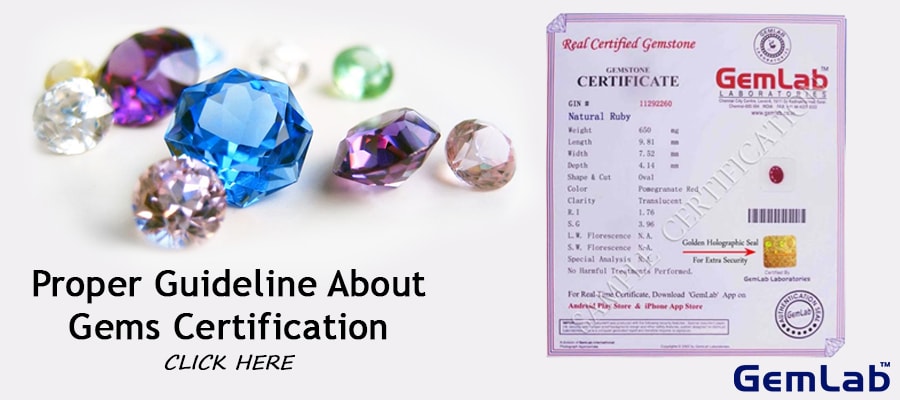
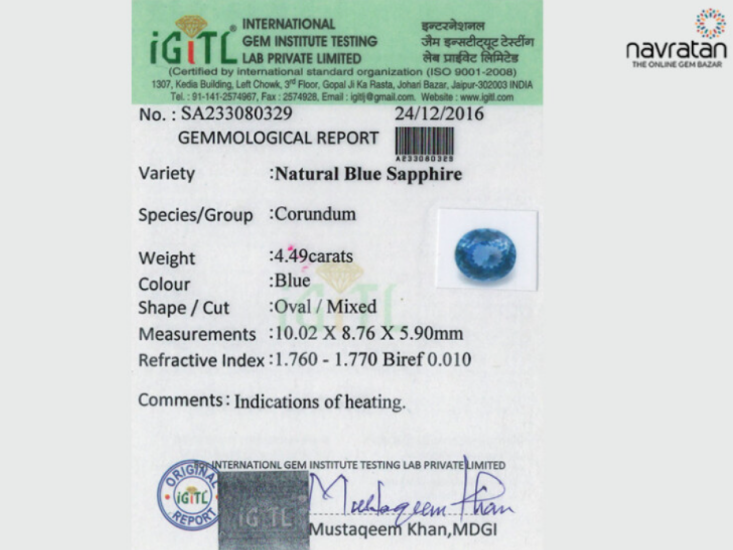
Choosing a certified gemstone retailer transcends aesthetics; it is an investment in ethical commerce and lasting value. Certification serves as an industry-wide assurance that gemstones meet strict standards regarding origin, treatment, and ethical sourcing. Unlike uncertified stones, certified gemstones come with detailed reports from reputable laboratories, documenting their authenticity and any treatments applied, crucial for informed purchasing decisions.
Retailers such as Whiteflash and Brian Gavin Diamonds exemplify this commitment by offering certificates that help buyers distinguish between genuine and artificially enhanced stones. Furthermore, these certifications protect consumers from falling prey to misleading claims—a particularly crucial safeguard in today’s diverse market.
Given widespread misconceptions about gemstone certification, resources like Gem Certify’s guide on certification myths demystify the process, empowering buyers to navigate the market confidently. Therefore, certification is not merely a formality but a cornerstone of ethical gemstone retail.
Key Certifications Shaping Ethical Gemstone Purchases
Several certifications have emerged as benchmarks in ethical and responsible gemstone commerce:
- Responsible Jewellery Council (RJC): This certification guarantees compliance with ethical, social, and environmental standards across the supply chain.
- Fairtrade Gold: Specifically targets the gold used in jewelry, ensuring miners receive fair pay and work under safe conditions.
- Alliance for Responsible Mining (ARM): Focuses on improving the lives of artisanal miners and promoting fair trade practices.
Emerging collaborations between retailers and these certification bodies mean that customers shopping through Leibish & Co. or Tiffany & Co. can have higher confidence in the ethical provenance of their purchases. Certification thus becomes a decisive factor in ethical luxury.
Traceability and Transparency: The Cornerstones of Trustworthy Gemstone Retailing
In 2025, the demand for transparency in the gemstone supply chain has never been greater. Consumers no longer accept opaque sourcing; they expect retailers to disclose complete provenance details. Traceability ensures that gemstones are linked unequivocally to their mines, confirming legitimate sourcing and ethical labor practices.
Retailers increasingly employ blockchain technology to record immutable transactions that customers can access to verify each stone’s journey—from extraction to final sale. This strategy has been notably adopted by industry leaders such as Jared and Helzberg Diamonds, setting new industry transparency standards.
Asking pointed questions is vital for consumers: “What certifications support this stone?” “Can you share the mining and labor conditions?” This proactive approach not only safeguards buyers but pressures retailers to maintain ethical practices.
Environmental Sustainability and Ethical Mining Practices
Modern gemstone retailers are held accountable for the environmental footprint of their products. Ethical mining involves initiatives that reduce deforestation, prevent water contamination, and promote land rehabilitation. These efforts align with consumer expectations for sustainability, compelling suppliers to monitor and publicly report on their ecological impact.
Supporting artisanal and small-scale miners (ASM) represents a powerful means of fostering sustainable mining. ASMs often employ labor-intensive, low-impact mining methods conducive to environmental preservation and community welfare. Collaborations between retailers and ASMs ensure fair compensation and encourage social development projects.
For example, companies like Blue Nile endorse sustainable sourcing principles, thereby enriching both their inventory’s quality and the ethical narrative their brand conveys.
Lab-Grown vs. Natural Gemstones: Ethical Considerations for Modern Buyers
The ethical debate between lab-grown and natural gemstones continues to evolve. Lab-created gems replicate natural stones chemically but may vary significantly in their environmental and labor conditions depending on manufacturing practices. While lab-grown stones often reduce the need for mining, the energy consumption and worker conditions in production facilities merit scrutiny.
Consumers should inquire about energy sources and worker protections at labs producing synthetic gemstones to ensure alignment with their ethical values. Retailers known for transparency, such as Ritani, provide detailed information helping clients compare the footprint of lab-grown versus natural stones effectively.