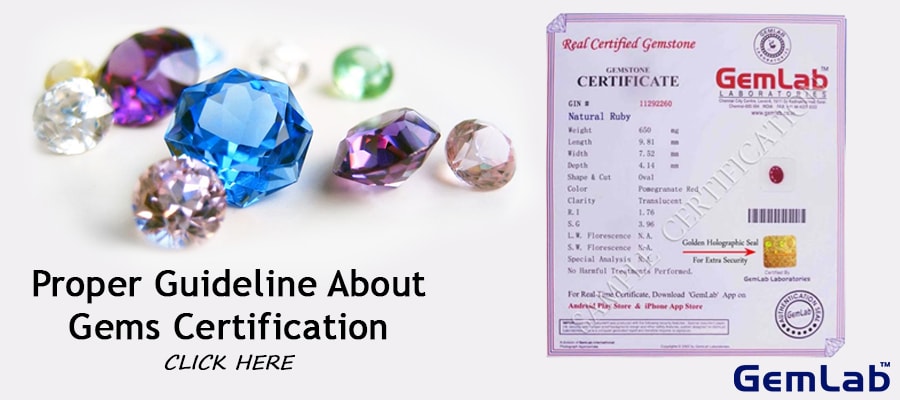
In the high-stakes world of gemstones, the surface allure of rare stones is only a fragment of their true story. Beneath the shimmer lies a complex web of certification details that crucially affect a gemstone’s financial and emotional worth. By 2025, as the market grows increasingly sophisticated, understanding these hidden aspects of gemstone certificates is indispensable to safeguard investments and enhance market transparency. The intricate analyses conducted by world-class labs such as GIA, AGS, and GCAL have transformed certification from a mere formality to a vital safeguard against fraud, misrepresentation, and undervaluation.
Key factors embedded in certifications—like disclosure of treatments, origin identification, and verification of authenticity—dictate price premiums often ranging between 30% to 50%. Yet, many investors and collectors overlook these subtleties, potentially exposing themselves to financial loss or reputational risk. This evolving landscape demands deeper comprehension not only of the visible grades but also of the less obvious elements documented by labs like HRD, IGI, or GRS, and the new technologies introduced by Sarine and De Beers enhancing authenticity verification. Understanding these concealed details is now a strategic advantage for anyone navigating the global gemstone market.
Decoding the Impact of Treatment Disclosures on Gemstone Value
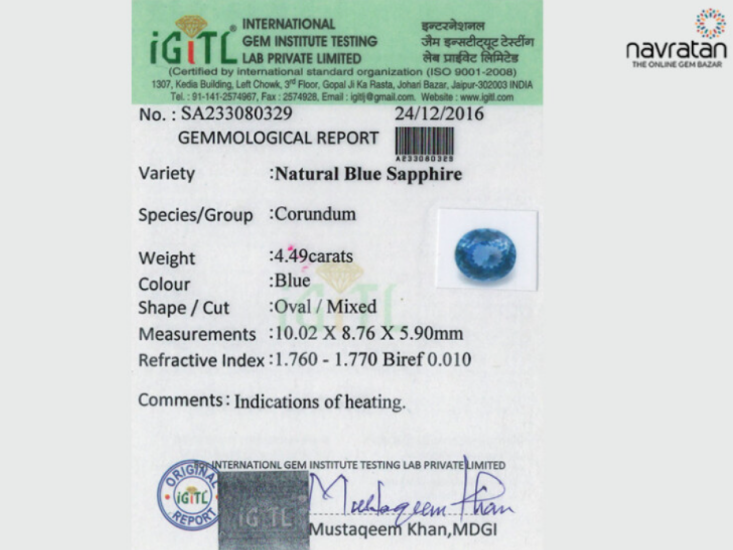
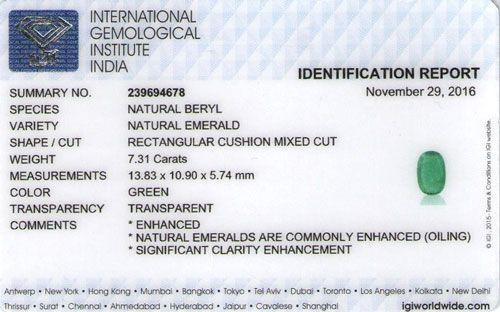
A gemstone certificate’s revelation of any treatments applied to a stone—such as heating, clarity enhancement, or fracture filling—is a critical determinant of its market value. Certificates from reputable laboratories like GIA or GCAL meticulously document these treatments, offering buyers vital insight into the stone’s true nature. Untreated gemstones typically command significantly higher premiums because treatments can affect durability, optical performance, and rarity perception.
For example, an untreated Burmese ruby may double in value compared to a heat-treated equivalent with similar visible characteristics. Crucially, indiscriminate acceptance of stones with vague or absent treatment disclosures can lead to costly mistakes. Buyers should consult resources like guides on treatment certifications to discern genuine from embellished documents and ensure they acquire genuine value.

Why Trusted Labs and Verification Matter in Treatment Reporting
Not all certificates are created equal. Laboratories such as HRD, GIA, and IGI hold prestigious reputations for rigorous standards, whereas in-house or less established labs may issue certificates lacking credibility. To avoid falling prey to forged or misleading certificates, investors should verify the gemstone certificate’s authenticity through trusted mechanisms provided on platforms like gemstone certificate verification.
Innovation plays a role here as well. The integration of QR codes and online verification systems pioneered by labs like AGS and GCAL offers instantaneous confirmation, thwarting counterfeit attempts—an essential advancement in the digital age.
Geographic Origin Certification: A Hidden Gem in Valuation
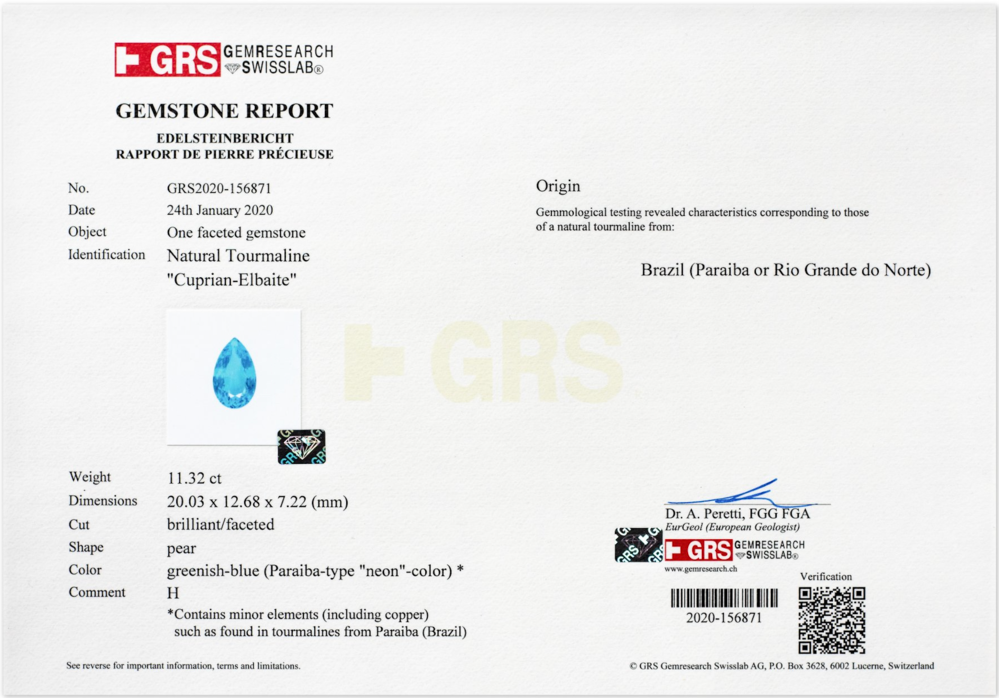
The country of origin has long been an underappreciated but crucial aspect influencing gemstone value. Certificates that include verified origin details from labs equipped with advanced analytical technology—such as LA-ICPMS and UV-VIS-NIR spectroscopy—enable buyers to distinguish prized stones like Colombian emeralds or Kashmir sapphires from less valuable counterparts.
In a notable instance, the certification of Afghan lapis lazuli’s origin has broadened market access while boosting price points due to its rarity and cultural significance. Collectors aiming for premium valuation must ensure their gemstones’ certificates specify origin backed by a recognized lab to capitalize on these market differentials.
Understanding the Nuances of Origin Documentation in Certification
Though valuable, origin certification involves complex scientific processes and is not universally available for all gemstones. Some labs, including GIA and GRS, have stringent protocols for origin determination, enhancing credibility. Buyers should familiarize themselves with the details on how origin is certified and interpret reports carefully to appreciate these hidden value enhancers.
Clarity, Cut, and Additional Details Often Overlooked in Certificates
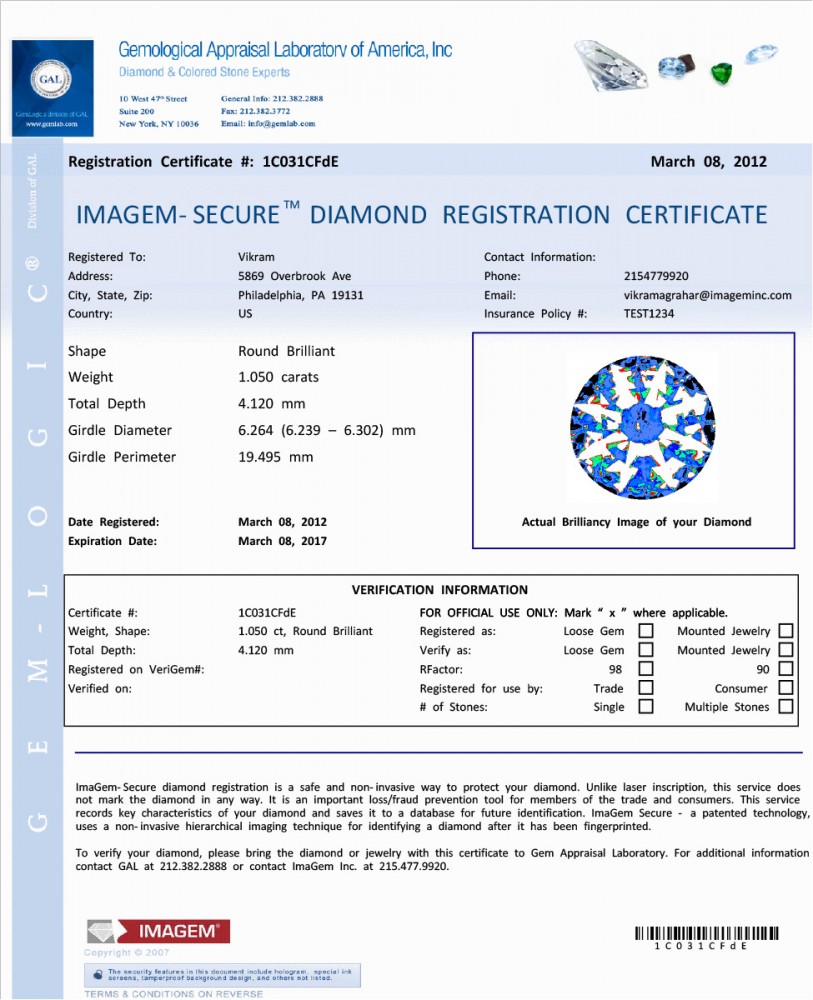
Beyond authenticity and treatment, certificates include decisive but subtle data, such as fluorescence, inclusion mapping, and precise measurements of cut and clarity. Laboratories like GIA, IGI, and Sarine provide comprehensive clarity plots and internal imagery that reveal hidden inclusions impacting a gem’s brilliance and durability. Misinterpreting these details or ignoring them can diminish a stone’s resale value.
For seasoned investors, understanding advanced grading criteria and technologies is indispensable. Consulting in-depth resources like grading scales and diagnostic reports can distinguish a stone worthy of a premium from one susceptible to rapid depreciation. Failure to integrate this knowledge can result in misvaluing stones and compromising portfolio integrity.
Garage Investment or Genuine Asset? The Role of Certification in Market Stability
The surge in lab-grown gemstones and imitation stones amplifies the market’s volatility risk. Certificates from authoritative labs that rigorously test for synthetic origins—using spectral analysis and other advanced methods—have become the bedrock of consumer protection signs. They simultaneously empower sellers to justify pricing and buyers to negotiate with confidence.
To master the complexities of gemstone investing in 2025, both collectors and dealers must prioritize certified documentation from globally recognized bodies such as GIA, AGS, and HRD. Leveraging the reputation of these institutions alongside verification technology reduces exposure to scams and maintains long-term value in a market where knowledge is the ultimate asset.