Gemstones captivate us with their dazzling colors and radiant sparkle, but understanding what sets an exceptional gem apart from the ordinary requires more than just admiration. In the intricate world of gemology, a gemstone grading scale serves as the vital tool for evaluating the quality, value, and authenticity of these precious stones. This system, built on meticulous criteria, offers clarity to buyers and sellers alike, ensuring transparency in an otherwise complex market. As we delve into the importance of these grading scales, it becomes evident that they form the backbone of trust and informed decision-making for collectors, investors, and enthusiasts around the globe.
En bref, gemstone grading scales provide a structured method to assess gems based on key characteristics such as clarity, color, cut, and carat weight. These criteria inform not only the aesthetic appeal but also the financial worth of a gemstone. Understanding grading helps demystify terms like AAA quality or eye clean and reveals why some stones command premium prices. Industry-recognized authorities such as GIA, IGI, and AGS play pivotal roles in standardizing these measures. Ultimately, gemstone grading scales empower consumers with the knowledge to appreciate the unique beauty and value inherent in every gem.
Understanding the Foundation of Gemstone Grading Scales
At the core of gemstone grading lies a systematic evaluation of a stone’s attributes that objectively gauges its quality and worth. Although often associated with diamonds, the grading principles—commonly referred to as the Four Cs (color, clarity, cut, carat weight)—apply across a spectrum of gemstones. Each characteristic contributes differently to the gemstone’s final rating:
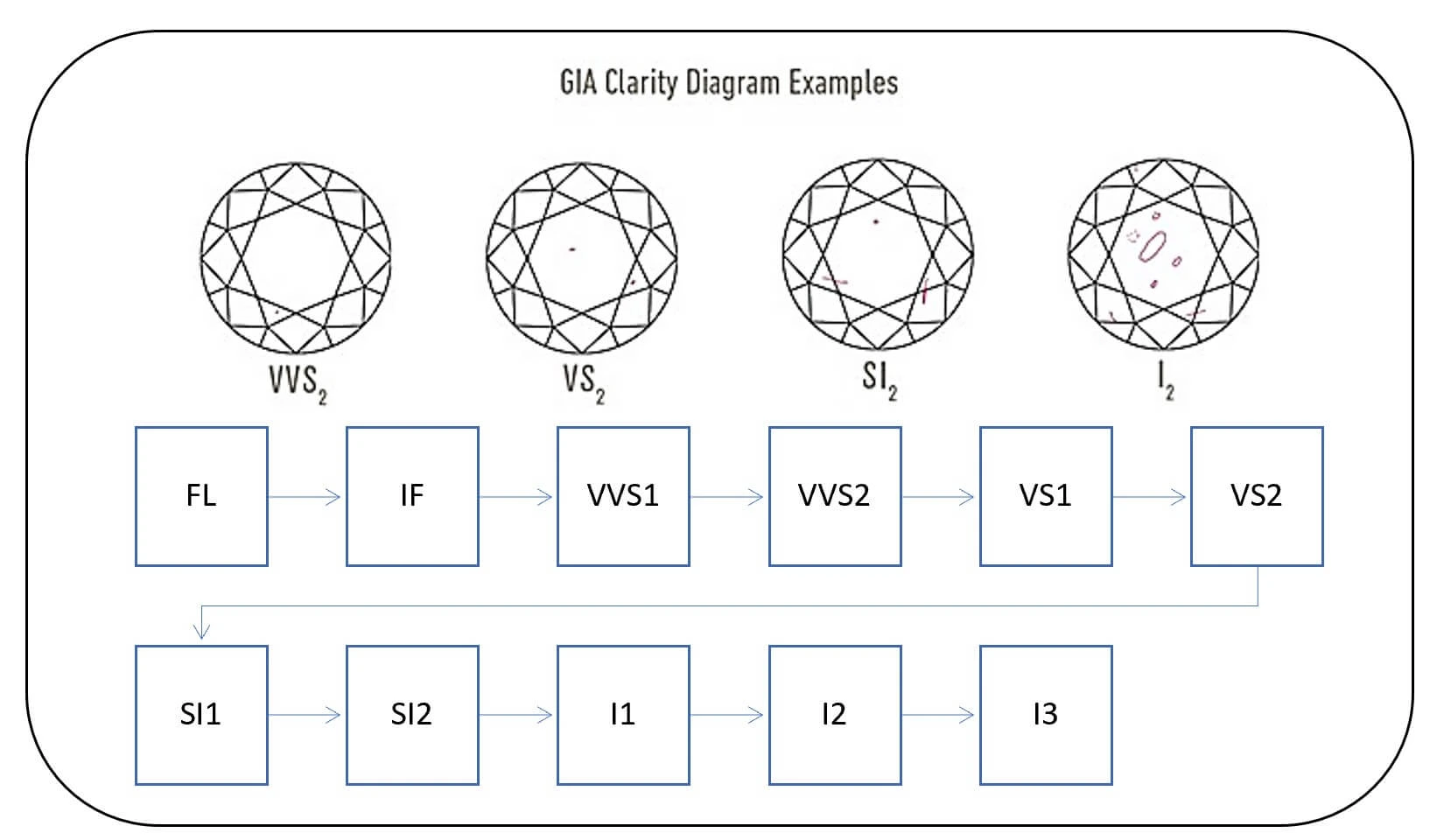
Clarity assesses internal or external imperfections known as inclusions and blemishes that affect visual purity. The scale ranges from flawless specimens to those with obvious inclusions, impacting transparency and brilliance.
Color is judged based on hue, saturation, and tone, reflecting the stone’s vibrancy and desirability. For example, a sapphire with deep, rich blue tones holds higher appeal than a lighter or unevenly colored one.
Cut pertains to the proportions, symmetry, and polish of the gemstone, which directly influence its sparkle and light performance. A superior cut can transform a modest stone into a radiant masterpiece, as insightfully outlined by experts like Chuong Gems from Vietnam.
Carat Weight measures the gemstone’s size and mass, with higher weights typically correlating to greater rarity and value, balanced against quality factors.
The integration of all these elements not only determines the gemstone’s appearance but also establishes its market position, verified through certifications from prestigious organizations such as GIA, IGI, and HRD Antwerp.
Why the Gemstone Cut Grade Makes All the Difference
While color and clarity often capture attention, the cut of a gemstone fundamentally elevates its beauty. A gemstone with an expert cut can harness and reflect light in breathtaking ways, amplifying its sparkle and depth. The cut is evaluated by examining facets’ precision, symmetry, and proportions such as table percentage and pavilion depth. Notably, the round brilliant cut remains the benchmark for brilliance, yet cuts like princess, heart, and emerald offer unique aesthetic nuances that cater to different tastes.
Understanding cut grading is essential for anyone investing in or collecting gemstones. For example, a fine emerald cut sapphire with precise proportions will outperform a comparable stone with a poor cut, even if their clarity or color ratings are similar. This knowledge can guide consumers toward gems that marry visual appeal with lasting value.
The Role of Certification and Trusted Labs in Gemstone Grading
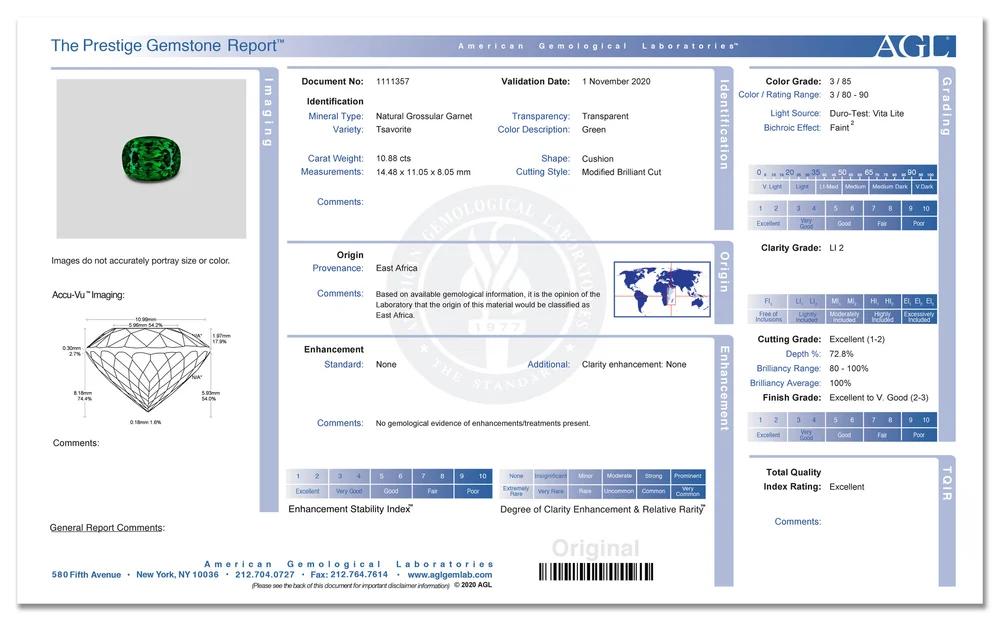
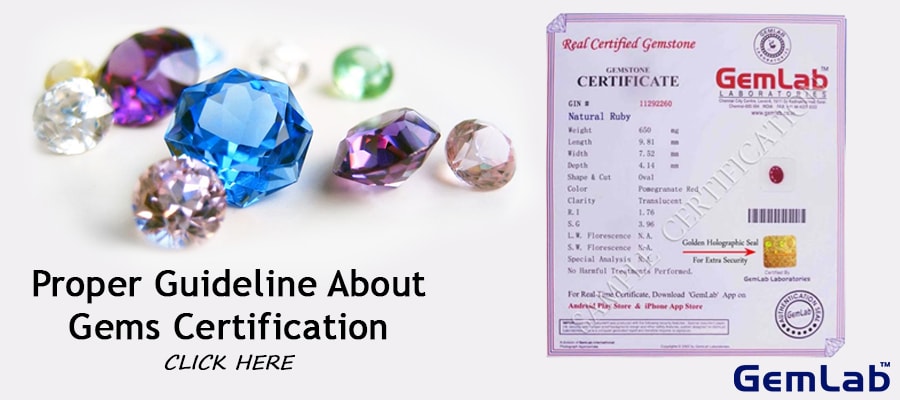
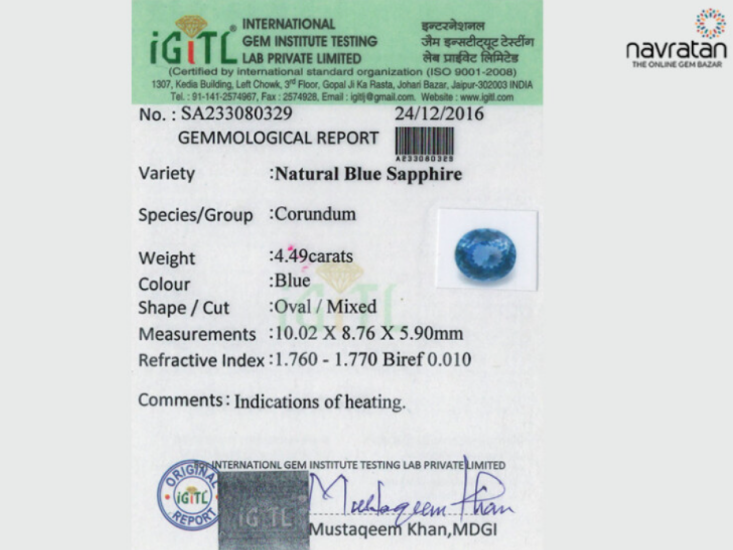
Gemstone grading gains credibility through certification by respected gemological institutions. Laboratories such as Gemological Science International, GemEx, Gübelin Gem Lab, and EGL apply rigorous testing standards, combining advanced technology with expert inspection. They provide detailed gemstone reports that confirm authenticity, treatment status, and grading results, which are indispensable for consumers aiming to make informed purchases.
In a market prone to counterfeits and misrepresentation, understanding how to verify gemstone certificates and identifying red flags in certifications become critical skills. These processes safeguard investments and uphold confidence for both buyers and sellers.
Choosing the Right Gemstone Based on Grading Insights
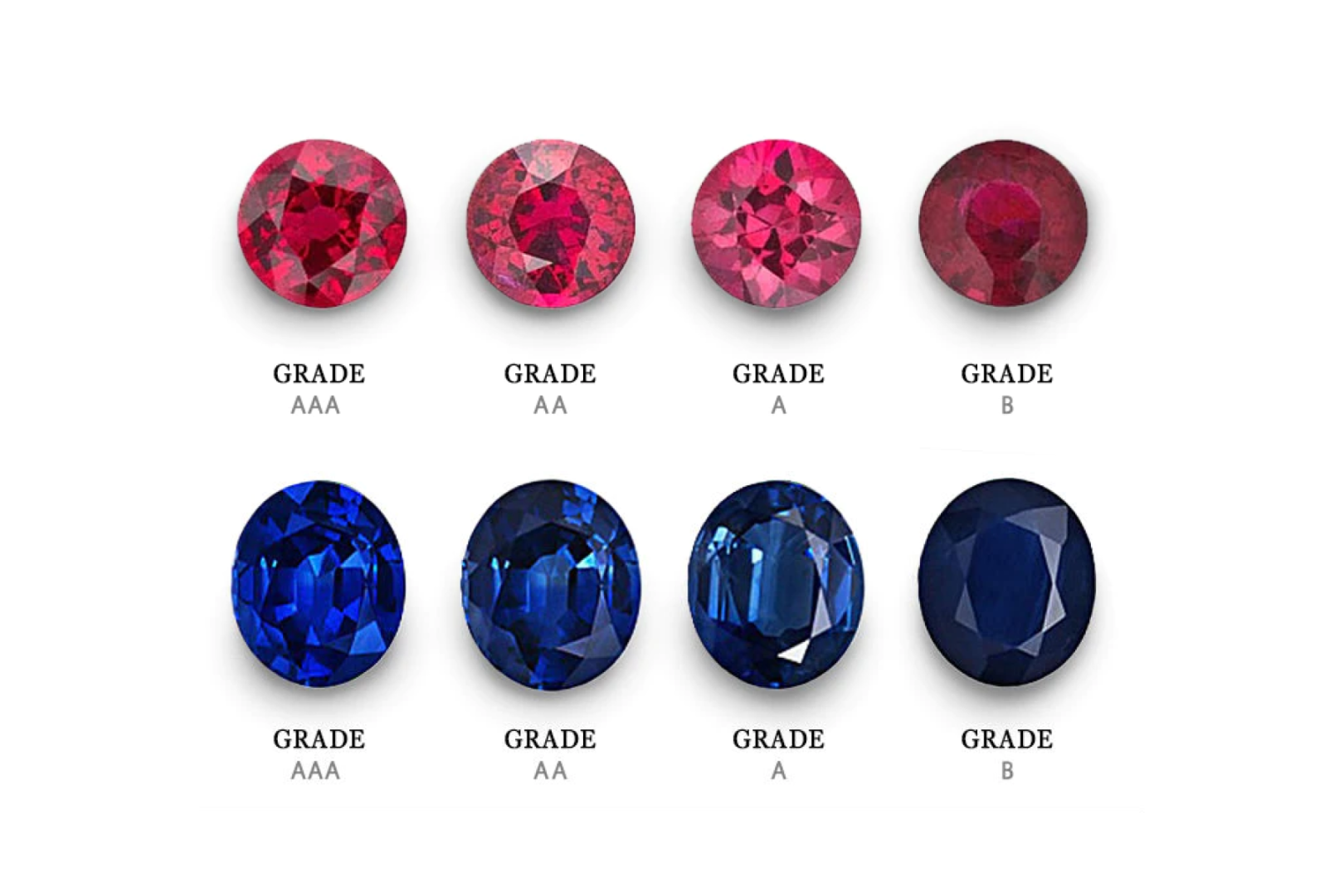
Purchasing a gemstone involves balancing personal taste, budget, and quality factors. Grading scales offer a transparent framework to make this process accessible. For instance, emeralds graded “AAA” boast exceptional color vibrancy and minimal inclusions, ideal for collectors seeking top-tier specimens, while “A” grade stones may suit buyers prioritizing affordability without sacrificing beauty.
Moreover, gemstones described as “eye clean” or “loupe clean” help consumers evaluate the visible purity levels without ambiguity, simplifying comparisons across different stones and sellers. By integrating professional grading with personal preferences, buyers can confidently acquire gemstones that align with their aspirations and lifestyle.