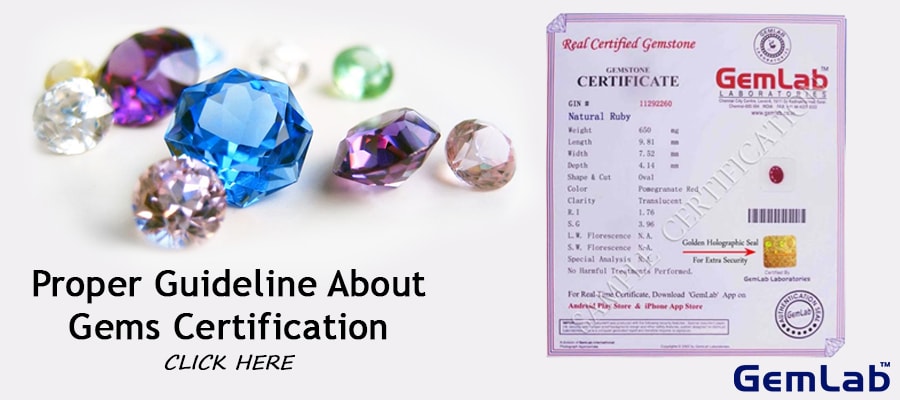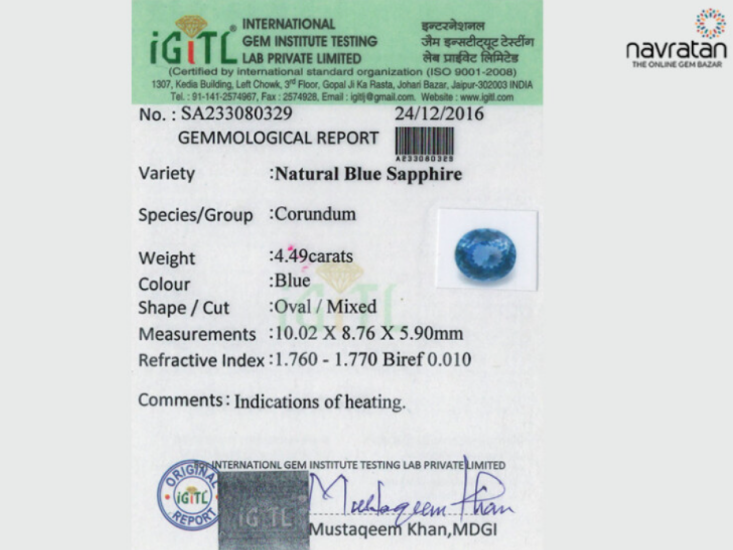
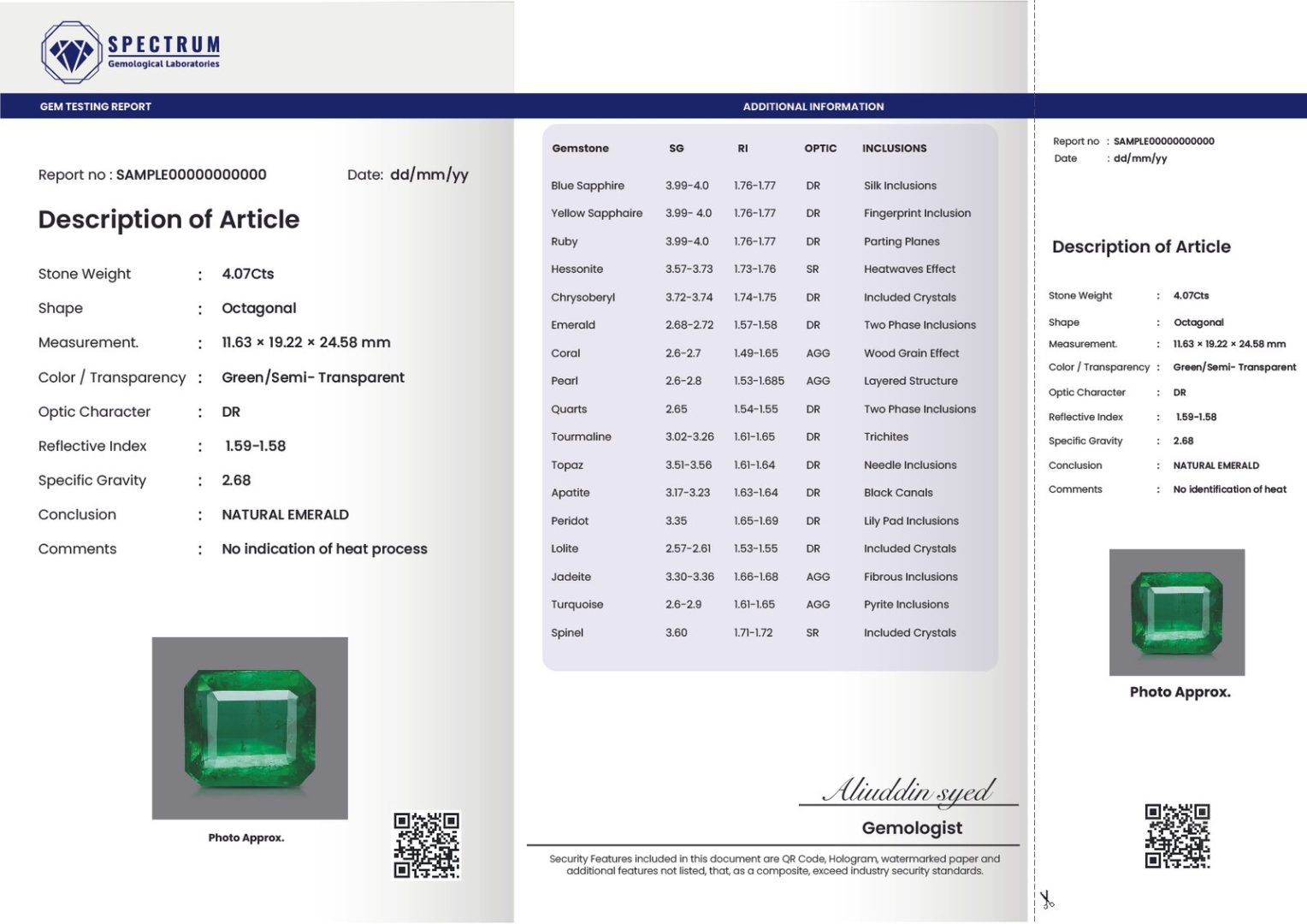
En bref : Certification in the gemstone market plays a pivotal role in guiding investment and resale decisions by providing verifiable authenticity and quality assessments from recognized authorities like GIA and IGI. While certification often enhances the resale value and marketability of high-value gemstones such as diamonds, rubies, and sapphires, it is not a universal guarantee of appreciation for all gemstones. Prices also depend heavily on market trends, rarity, and the reputation of the certifying body. Understanding the nuances of gemstone certification, its impact on pricing, and industry dynamics involving leading auction houses like Sotheby’s and Christie’s, or retailers such as Tiffany & Co. and Blue Nile, can empower collectors and sellers in their financial and aesthetic pursuits.
The connection between certification and value appreciation is complex and influenced by numerous variables, not least the gemstone’s inherent qualities and the current demand landscape. Certification acts as a form of documented assurance that can increase buyer confidence and thereby potentially enhance market liquidity. Yet, not all gems benefit equally from certified status due to varying perceptions of value and rarity. This leads to an intriguing dialogue about investment strategy, consumer trust, and the technological innovations shaping the gemstone certification process in 2025.
How Certification Influences Gemstone Market Value in 2025
The gemstone industry in 2025 leans heavily on certification to validate a gemstone’s authenticity, origin, and quality. Authorities such as GIA and IGI provide detailed reports that describe characteristics like clarity, cut, color, and carat weight, which are critical determinants of a gemstone’s market value. This verification is essential not only for buyers aiming to confirm the legitimacy of their investment but also for sellers looking to maximize resale potential. Major jewelers such as Tiffany & Co. and Blue Nile frequently incorporate these certificates to assure customers of their product’s authenticity and quality.
Moreover, premium auction houses like Sotheby’s and Christie’s base their valuations on certified appraisals, with certification often serving as a prerequisite for consigning high-end gemstones. Thus, certification functions as a market signal that can increase demand and subsequently the price of certain stones. However, the effect varies significantly depending on the gem type and market fluctuations.
Varied Impact of Certification Across Gemstone Types
While diamonds frequently see a direct correlation between certification and price appreciation, colored gemstones such as emeralds, rubies, and sapphires may not always enjoy the same uniform benefits. The value of a certified ruby or sapphire hinges on factors such as geographic origin, treatment disclosures, and clarity, all of which are disclosed in certificates issued by recognized labs. The precision of these evaluations from bodies like GIA and IGI can greatly influence buyer confidence, yet market desirability fluctuates according to trends, rarity—as seen with stones from Gemfields mines—and cultural preferences.
In contrast, many lesser-known or more common gemstones may not see substantial value appreciation from certification alone, especially those with limited demand or those sold primarily as fashion jewelry where brand reputation often supersedes certification. The challenge lies in balancing certification costs with expected financial returns, particularly important for sellers operating in fragmented markets.
Certification: A Catalyst for Faster Sales and Higher Offers
Certified gemstones generally attract more competitive offers and enjoy enhanced liquidity. The rationale is simple: buyers face lower risk when a gemstone’s attributes and provenance are thoroughly documented, reducing the need for additional expert verification during transactions. This confidence not only accelerates sale times but also often results in higher bids from knowledgeable investors and collectors.
Sellers using certification as part of their strategy can leverage this advantage, with companies like Sell My Jewelry offering appraisal services that guide whether certification is advisable before a sale. Particularly for high-value diamonds or rare colored gems, the certificate can be a decisive factor influencing the final price. However, for lower-priced items or small gold pieces, certification may not be necessary as such buyers prioritize brand or aesthetics over detailed grading documents.

Addressing the Costs and Strategic Use of Certification
Certification is not without expense; fees range from $50 to several hundred dollars depending on the gemstone type and certification body. For many, this expense is justified by the increased trust it fosters on platforms, both physical and online—for example, marketplaces working with Rapaport standards or retailers like Graff often emphasize the importance of certified stones in verifying quality.
Moreover, advances in certification technology have facilitated better detection of treatments and authenticity, contributing to a more transparent market environment. Buyers are increasingly aware of certifications’ protective benefits against common pitfalls and scams.
When Certification Aligns With Market Trends and Provenance
Beyond just quality, provenance has become a critical factor driving value in 2025’s gemstone market. Certification that includes origin verification, especially for stones sourced ethically from renowned mines, often owned or controlled by entities like De Beers, delivers additional confidence to discriminating buyers. Such provenance can dramatically enhance the perceived and actual value.
This trend is echoed in the collectible market where certified gemstones, verified as rare or historically significant, are often favored at auctions by Sotheby’s and Christie’s. Here, certification intermingles with reputation and documented history, creating a powerful value proposition beyond pure gemological criteria.