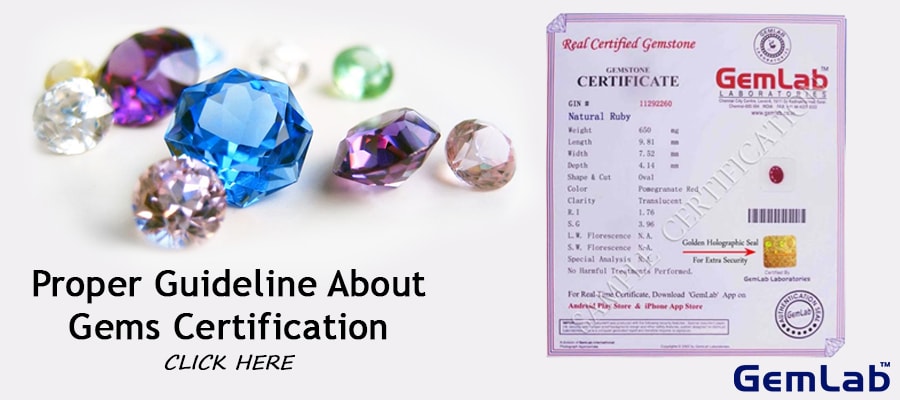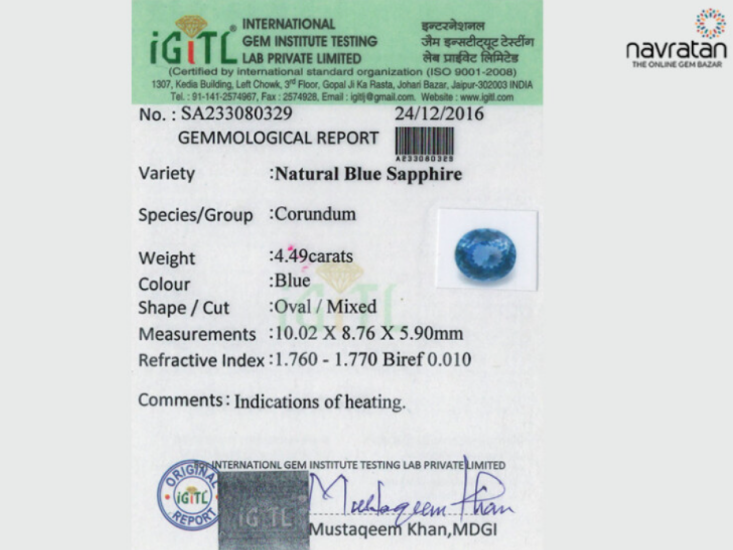
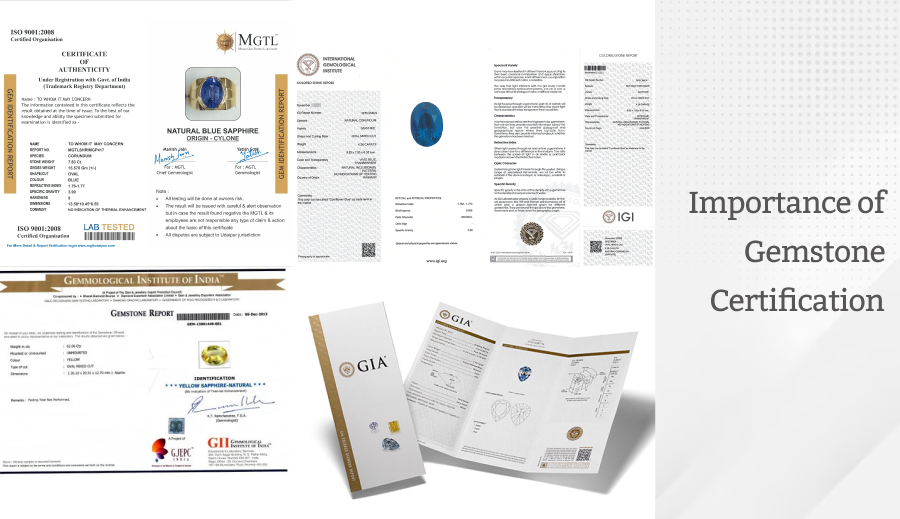
In today’s gemstone market, certification has become a cornerstone for ensuring authenticity and value, particularly as online trade expands rapidly. The process of preparing a gemstone for certification demands careful attention, reflecting not only the gem’s inherent beauty but also its scientific verification. In this article, we explore the crucial steps collectors, jewelers, and buyers must undertake to authenticate gemstones efficiently, ensuring trust and transparency in every transaction. The surge in demand for certified gemstones is tied directly to the booming digital marketplace and the consumer’s quest for confidence in their purchases. Reliable certification — offered by renowned institutions like GIA, IGI, and GemLab — provides detailed reports about a gemstone’s identity, treatments, and occasionally its origin. These certificates remove ambiguity and elevate the market’s professionalism, differentiating between natural, enhanced, or synthetic stones. Understanding how to prepare your gemstone beforehand streamlines the certification process and safeguards its future resale and insurance value.
Essential insights include selecting the right laboratory, understanding the specific certification types, and thoroughly cleaning and documenting the gemstone’s features. Proper preparation mitigates delays, optimizing lab turnaround times and ensuring precise evaluations. This guide delves into those practical yet indispensable elements that delineate a smooth certification journey while empowering you as a gemstone owner or dealer.
Key Steps to Prepare Your Gemstone for GIA and Other Certification Services
When seeking certification from reputable labs such as GIA, IGI, or AGS, preparation begins long before submission. It is essential to confirm that your gemstone meets minimum size requirements as labs commonly decline very small stones (under 2 millimeters) due to equipment limitations. Ensuring your stone is free from dirt, oils, or residues aids in accurate grading, as blemishes on the surface can obscure natural inclusions critical for identification.
Beyond physical cleaning, proper documentation—including purchase receipts, previous appraisals, or any treatment disclosures—can expedite the certification process and bolster credibility. For stones with known or suspected treatments like heating or fracture filling, transparency at this stage is vital since certified reports will typically note these enhancements to inform buyers thoroughly.
Choosing the Ideal Gemstone Certification Laboratory
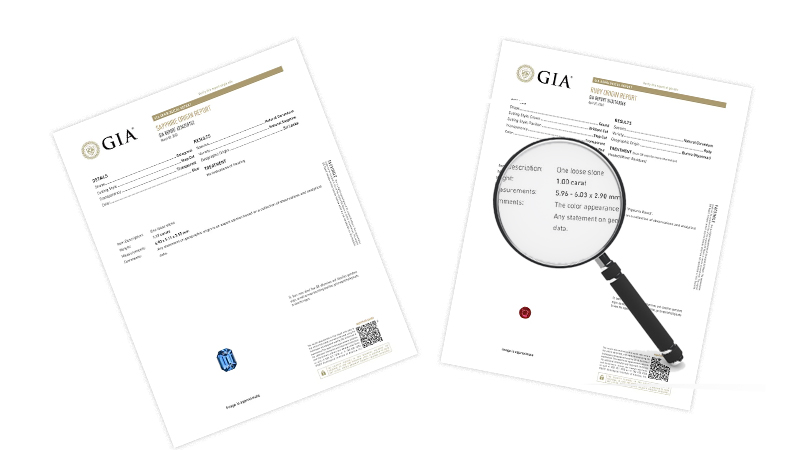
Selecting the right gemological laboratory is arguably as crucial as the preparation itself. Laboratories vary widely, not only in cost but also in the depth and quality of their reports. For example, GemSelect collaborates with respected Thai labs such as the American International GemLab and Burapha Gemological Laboratory, offering rapid turnaround times and cost-effective services. Meanwhile, internationally recognized labs like GIA and the Gemmological Association of Great Britain provide comprehensive and trusted reports prized worldwide.
While brief identification reports suffice for stone authenticity, complex inquiries such as origin verification or detecting subtle treatments might necessitate advanced testing from premium labs. Understanding these distinctions ahead of time prevents surprises and aligns expectations with your gemstone’s certification purpose, whether for sale, insurance, or collection.
Insights into Cleaning and Handling Stones Pre-Certification
Proper stone care prior to lab inspection is pivotal. Avoid harsh chemicals that could alter the gem’s surface or mislead lab technicians. Instead, use gentle soap and a soft brush to remove surface impurities. For delicate stones, consult guides from jewelers or trusted platforms like JTV (Jewelry Television) which frequently offer expert advice on gemstone maintenance.
During transportation, gemstones should be securely stored individually to prevent scratches or damage. Packing them in padded containers with identification tags reduces the risk of loss or confusion once under the lab’s custody.
Common Pitfalls to Avoid for Smooth Certification
One recurring error owners face is attempting to certify multiple stones as a single entity, such as matching sets, when labs typically test only one piece per order. This misunderstanding can significantly impact the valuation and documentation accuracy.
Additionally, be wary of laboratories that might offer cheaper but less reliable certificates. Knowledge about reputable labs and their certification protocols — including recognizing red flags — will protect you from falling victim to fraudulent claims or inadequate testing results.
Leveraging Certification for Ethical and Provenance Verification
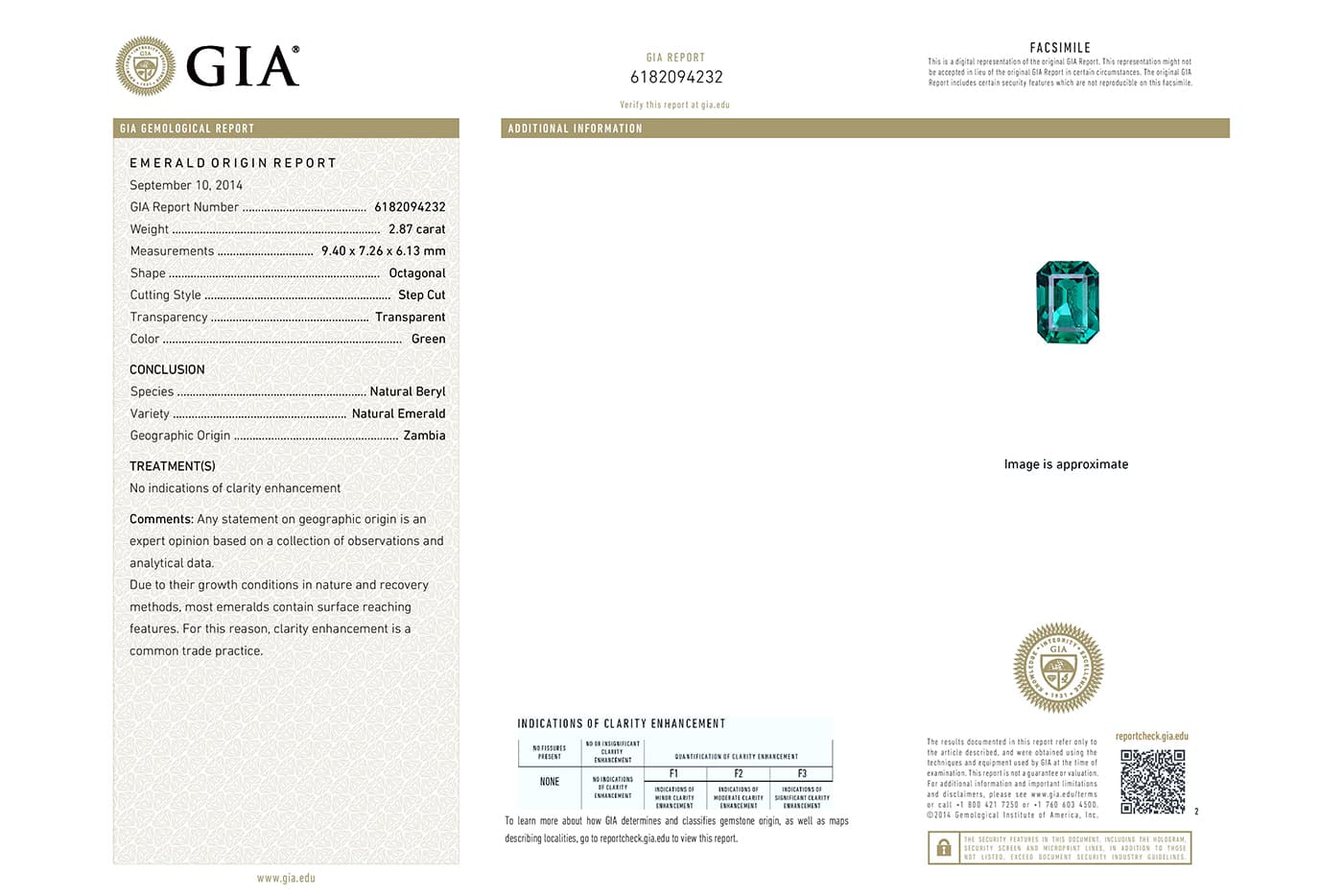
Beyond confirming the gem’s authenticity, certifications increasingly address ethical sourcing. Gems from conflict-free mines backed by organizations like Gemfields assure consumers and traders about responsible mining practices. Certification laboratories sometimes provide provenance reports that identify geographic origin, adding a « provenance premium. » For example, sapphires from Kashmir or rubies from Burma often command higher prices due to their distinct desirability and documented origins.
When preparing your gemstone for certification, inquire if the lab offers these advanced origin analyses, as it informs both the value and consumer trust. Ethical certification not only enhances commercial prospects but also aligns with the growing global emphasis on sustainable luxury.