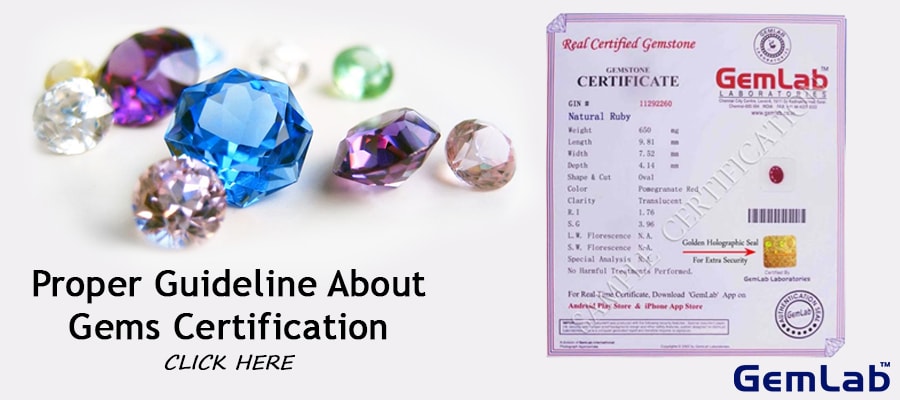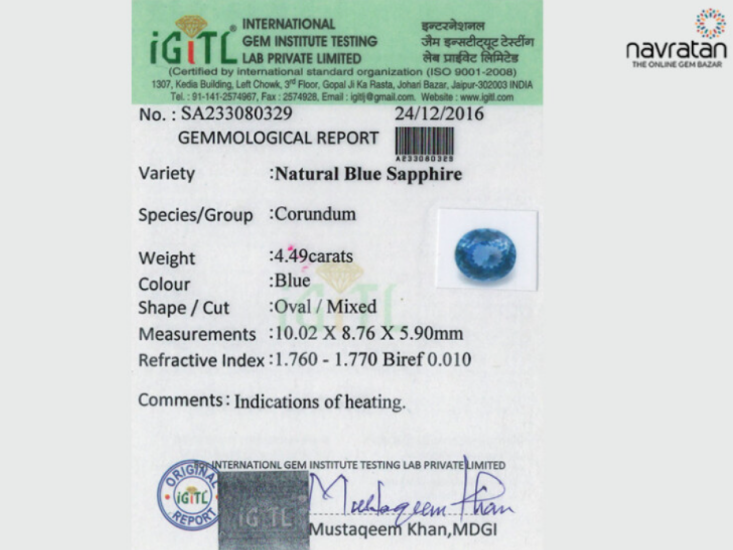
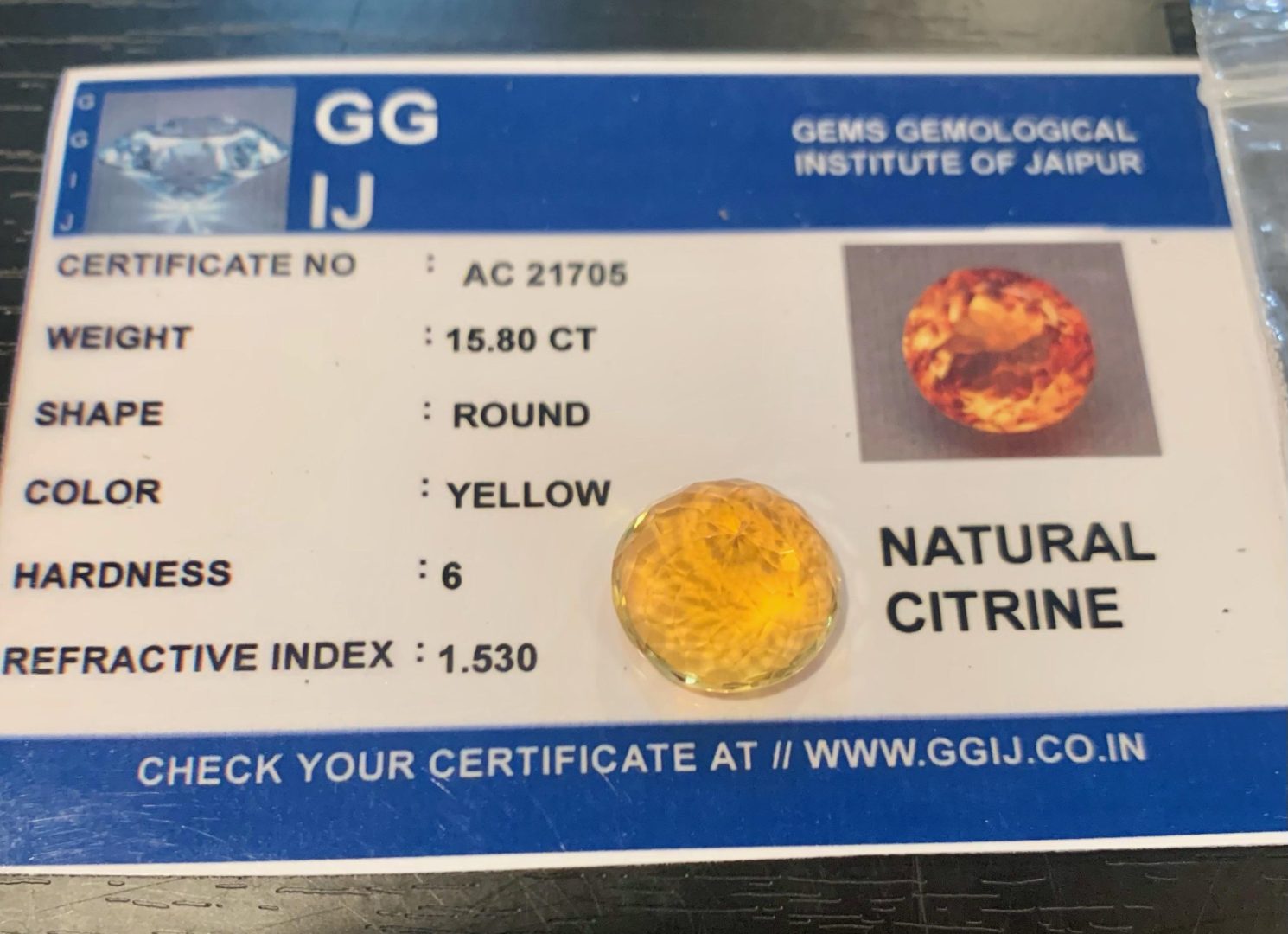
In the bustling market of gemstones, trust and transparency are paramount. As investors and collectors navigate the intricate world of precious stones, the importance of reliable certification cannot be overstated. Gemstone certification labs serve as the guardians of authenticity, providing objective analyses that determine a stone’s true value, quality, and origin. However, with myriad labs worldwide, discerning which certification to rely on becomes a challenge. This complexity is magnified by varying grading standards, reputations, and geographic specializations among labs. Understanding the nuances behind certifications—from the globally renowned GIA and IGI to regional powerhouses like HRD Antwerp and SGL—is crucial for making informed decisions that safeguard both aesthetic pleasure and financial investment.
En bref : Trustworthy gemstone certification labs are essential for verifying gem authenticity and quality; globally respected institutions like GIA and AGS set rigorous standards based on the 4Cs; specialized labs such as Gübelin and GRS excel in provenance and treatment detection; international networks like IGI provide accessible certification across borders; regional experts including EGL USA, SGL, and NGTC cater to localized markets with nuanced expertise; comprehensive lab reports empower buyers and sellers to navigate investments confidently; knowledge in interpreting certificates is as vital as the certification itself; awareness of emerging labs like DSEF and novices like Lotus Gemology can offer new perspectives but warrant cautious evaluation.
Why the Reputation of a Gemstone Certification Lab Matters Deeply
When a gemstone passes through the hands of a certification lab, it emerges not just with a report but with a narrative of its origin, quality, and authenticity. The reputation of that lab essentially dictates the narrative’s credibility. Institutions such as the Gemological Institute of America (GIA) have cultivated trust over decades by delivering impartial and scientifically rigorous assessments. Their scrutiny spans the 4Cs—cut, clarity, color, and carat weight—ensuring a holistic evaluation.
Conversely, labs with less stringent standards or lesser recognition may produce certificates that do not withstand market scrutiny, exposing buyers to inflated prices or counterfeit risks. This reality demands that both buyers and sellers prioritize certification labs known for transparency and technological prowess. For example, AGS‘s commitment to a scientific and strict grading methodology enhances confidence and industry-wide recognition.
Moreover, reputation is often intertwined with ethical considerations. Labs such as the Gübelin Gem Lab and GRS emphasize provenance and treatment transparency, providing nuanced insights beyond typical grading. This added layer of trust reassures collectors concerned not only with gem quality but with the ethical journey of their stones.
Balancing Comprehensive Grading and Market Trust
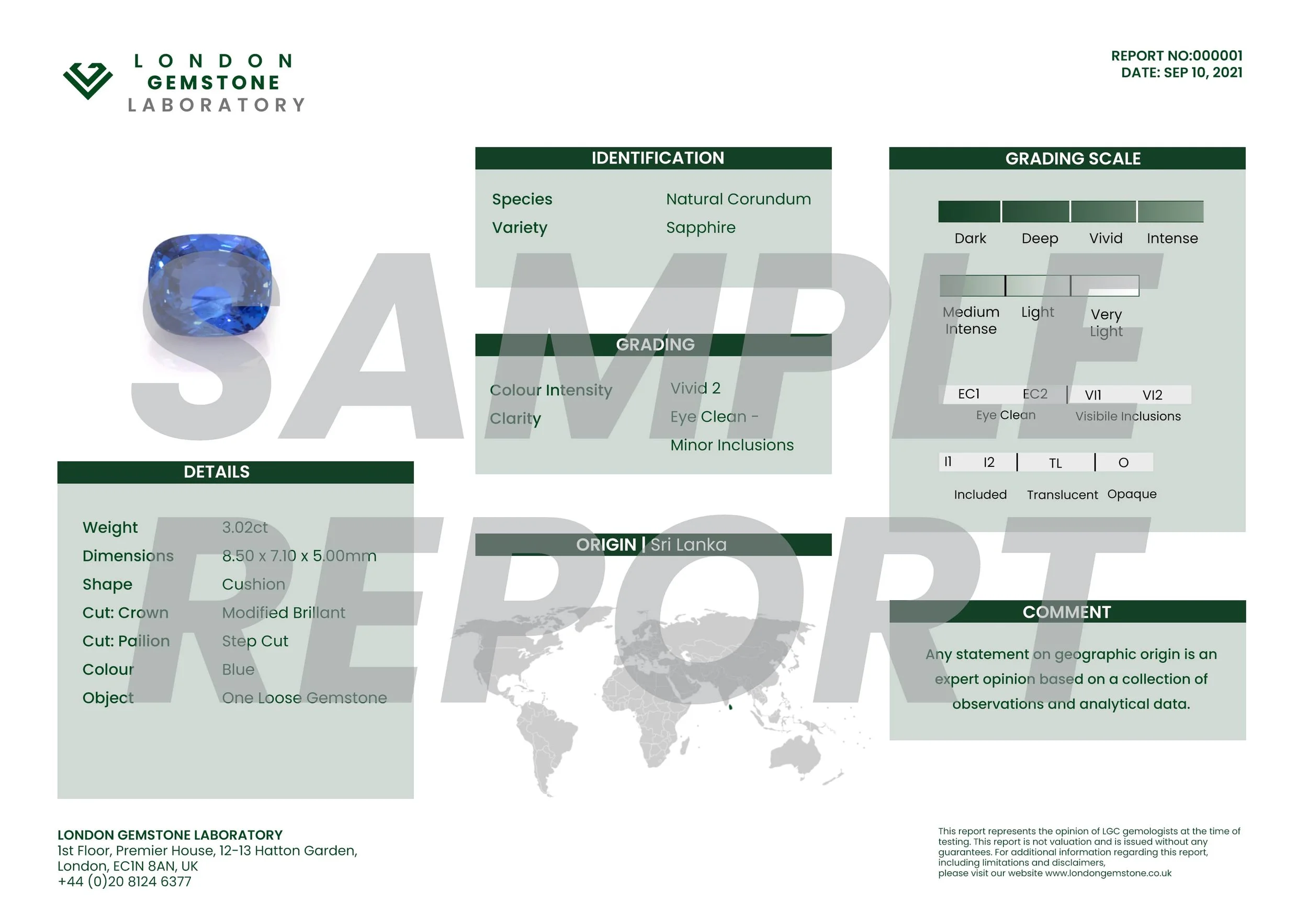
A cornerstone of any respected certification lab lies in the depth and clarity of its reports. Labs like IGI, with their extensive international presence, provide exhaustive documentation covering quality, origin, and treatments, supporting buyers globally. Yet, the challenge lies in ensuring these detailed reports are both accessible and intelligible to diverse audiences.
Labs such as EGL USA have, in some markets, faced criticism for overgrading, which, while augmenting gemstone appeal, can mislead investors who rely on strict valorization. This dichotomy highlights the need for consumers to critically evaluate which certification brand aligns with their purpose—be it aesthetic appreciation, investment, or resale.
Specialized Labs: Navigating Provenance and Treatment Disclosure
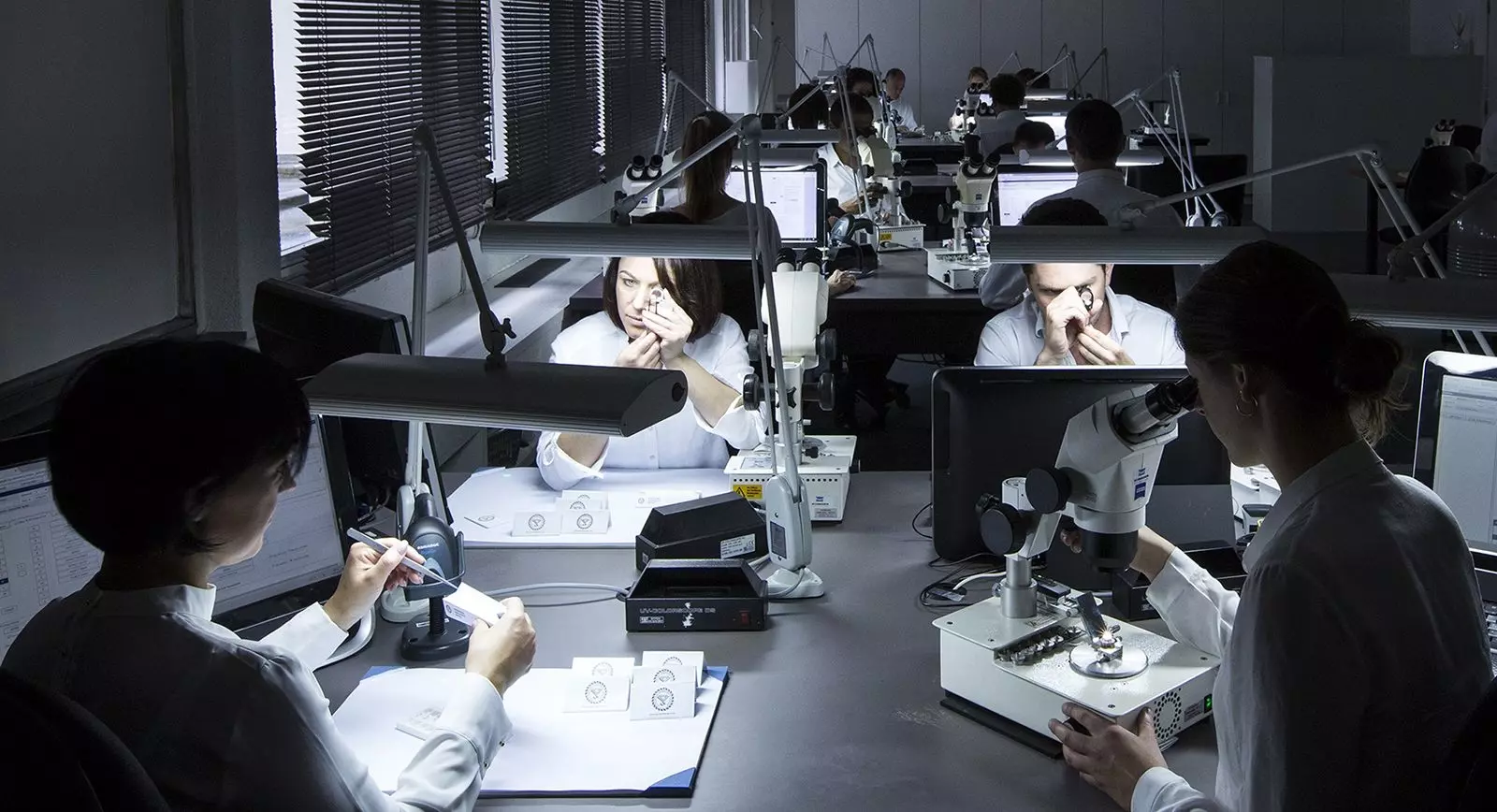
The gemstone market increasingly values provenance verification and treatment disclosure as part of certification. Labs like DSEF and Lotus Gemology have gained traction by offering sophisticated origin certification and treatment analysis, catering to collectors who prize traceability.
Indeed, origin certification gems is becoming essential in curbing counterfeit merchandise and unethical sourcing. The NGTC (National Gem Testing Center) in China, for example, provides robust services integrating treatment detection with origin verification, reflecting a global trend toward comprehensive transparency.
Despite these advances, none can match the longstanding prestige of labs like HRD Antwerp, which combine heritage with cutting-edge technology to appeal to discerning European and international buyers.
Leveraging Certification for Investment Confidence
For investors, gemstone certification is an indispensable tool to authenticate and assess value. A reliable certificate not only confirms authenticity but mitigates risk by revealing treatments or enhancements that could affect long-term value.
Resources like certified gemstones investing emphasize the importance of choosing labs with stringent evaluation criteria. Labs such as GIA, AGS, and GRS are widely endorsed to validate that your asset meets industry benchmarks, critical for upward market mobility.
Ensuring Authenticity: The Role of Certification in Combating Fraud
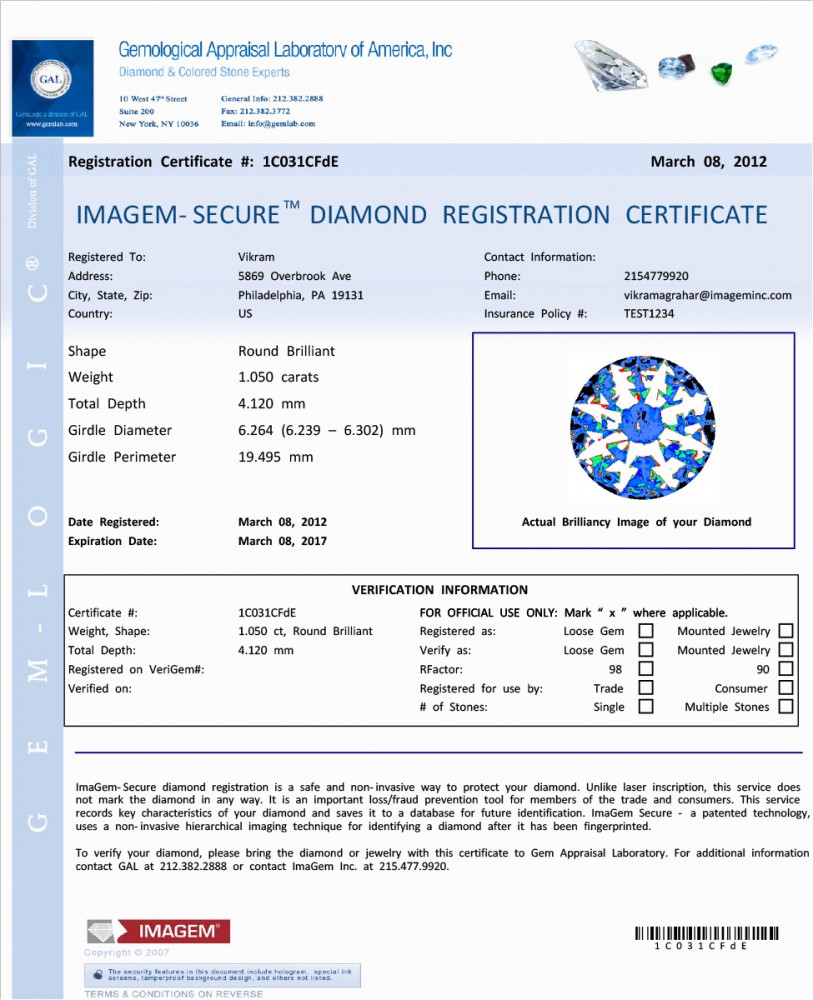
In today’s digital age, gemstone fraud has evolved, necessitating vigilant verification. Unscrupulous sellers may present counterfeit certificates, making it vital to cross-verify certificates with lab registries through services such as gemstone certificate verification. Labs like GSI have integrated blockchain and digital verification to bolster trust.
Ultimately, a gemstone’s certificate is only as strong as the issuing lab’s reputation and technological safeguards. Exercising due diligence and familiarity with trusted labs not only protects investments but enhances the appreciation of the gem’s true worth.