In the world of fine jewelry, gemstone certificates serve as crucial proof of authenticity and quality, yet not every gemstone comes with such documentation. When buyers face the reality of owning a gemstone without a certificate, uncertainty about its value, origin, and treatment can cast a shadow over what should be a cherished possession. Understanding the significance of these certificates, the role of recognized laboratories such as GIA, IGI, and AGS, and knowing the appropriate steps to take when certification is missing are vital in navigating this complex landscape.
The absence of a gemstone certificate does not automatically devalue the stone, but it does mean buyers or owners must seek alternative ways to ensure credibility and secure their investment. From purchasing practices to verification processes, and the importance of insurance backed by trusted certification authorities like Jewelers Mutual or Gemological Science International (GSI), there are strategic measures to protect your gemstone’s worth. Whether inherited, purchased in the past, or gifted, stones without certificates require careful handling and expert evaluation.
Key takeaways:
- Gemstone certificates from labs like GIA, IGI, and AGS validate authenticity and quality.
- High-value stones typically require certification for insurance and resale.
- Without a certificate, professional appraisals and possible re-certification may be necessary.
- Choosing reliable certification labs and verifying certificates prevent fraud and overpayment.
- Insurance claims and valuation processes depend significantly on gemstone certification.
Understanding Why Your Gemstone Might Lack a Certificate
Not all gemstones are accompanied by certificates, especially semi-precious stones like amethyst or citrine, which often do not meet the threshold for mandatory certification. Additionally, some older gemstones or those acquired through private sales might be lacking documentation simply because certification was not standard or prioritized at the time of purchase. This situation raises legitimate concerns for owners who want to confirm the stone’s origin, treatment history, and overall quality.
Certification agencies such as GIA and the Gemstone Certification Authority offer standardized reporting that many buyers now demand, but stones certified by these bodies usually pertain to diamonds, rubies, sapphires, and emeralds — the most valuable categories in the market. When dealing with uncertified stones, the challenge lies in ensuring that these gems are genuine, untreated, and fairly valued, which demands expert insight and often, laboratory reassessment.
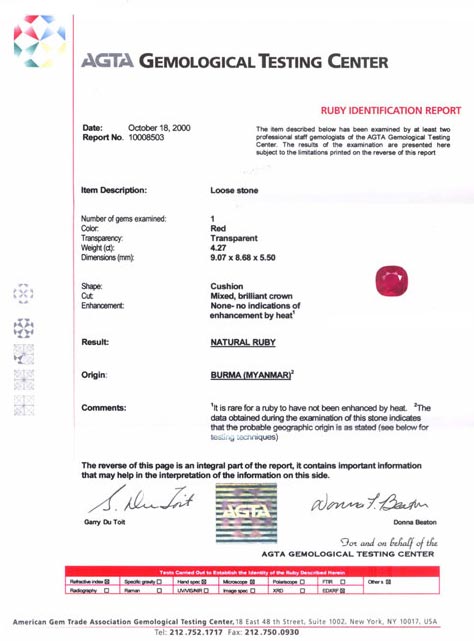
Why Certification Is a Critical Factor for Gemstone Value Preservation
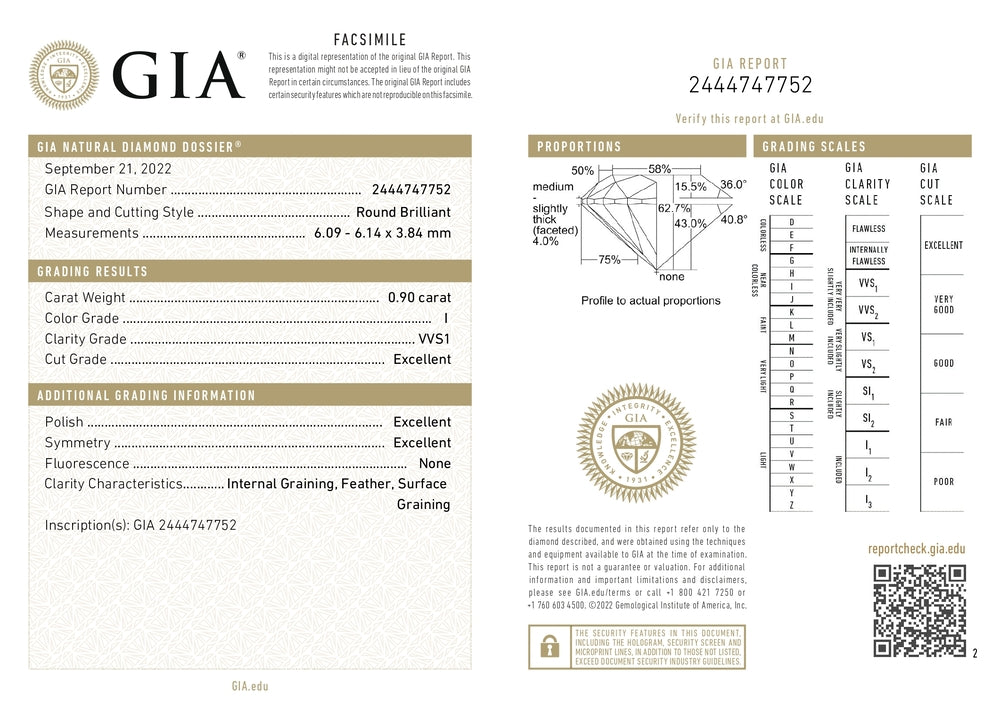
Certification not only authenticates a gemstone’s natural origin but also provides an objective assessment of its color, clarity, cut, and carat weight, factors that collectively establish its market value. For insurance purposes, bodies like Jewelers Mutual insist on certification to avoid disputes during claims. From an investment view, certified stones typically retain or increase their value more reliably than uncertified counterparts, which may be viewed skeptically by buyers and appraisers alike.
Thus, owning a gemstone without a certificate can introduce uncertainty. Without an official grading report, questions linger about treatments—such as heating or oiling—and whether the stone might be synthetic or enhanced, which can drastically affect its price and insurability. Therefore, certification is more than paperwork; it’s an assurance of transparency and integrity within the gemstone trade.
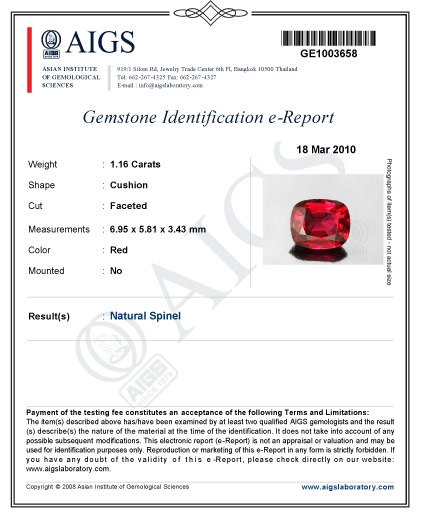
Steps to Take If Your Gemstone Has No Certificate
The first crucial step is seeking an expert appraisal from a reputable jeweler or gemologist who can provide an independent assessment. Professionals affiliated with reliable labs like HRD Antwerp or the Gemological Science International (GSI) can offer guidance on potential re-certification. Re-certifying a gemstone involves submitting it to a recognized laboratory for detailed analysis, although this process can be costly and time-consuming.
Before proceeding, it is essential to verify which laboratory aligns best with your gemstone type and geographic region. Laboratories such as the GemResearch Swisslab (GRS) or the Gemological Science International deliver reports with varying focuses—GRS, for example, is notable for expertise in colored stones and treatment disclosures. Choosing the right authority ensures that the re-certification process enhances the value and trustworthiness of your gem.
Additionally, owners should consider insurance protection that explicitly accepts uncertified or newly certified gemstones. Exploring options through specialized insurers like Jewelers Mutual can safeguard against loss or damage while certification is pending.
Verifying the Authenticity of a Second-Hand Gemstone Certificate
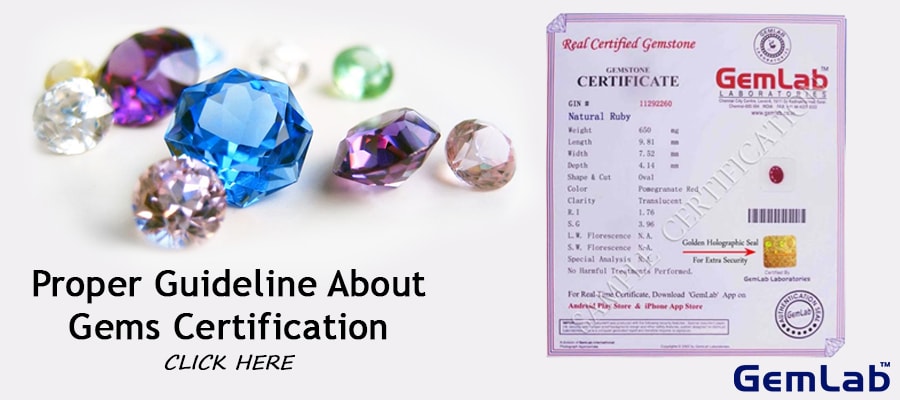
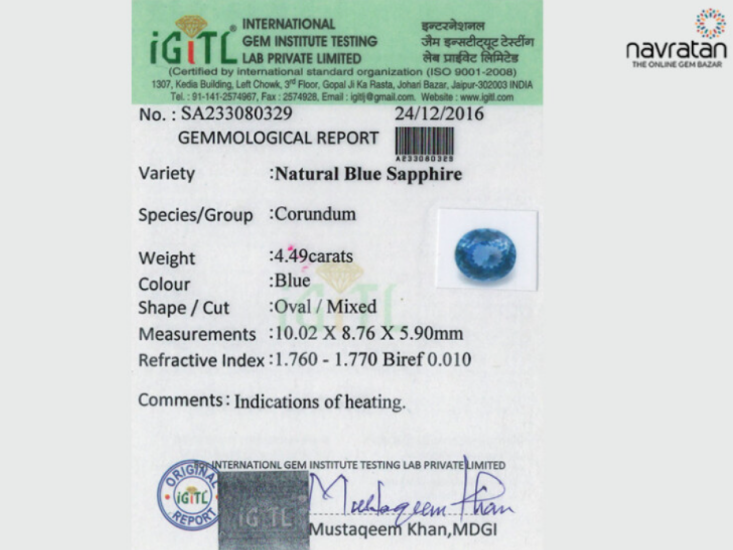
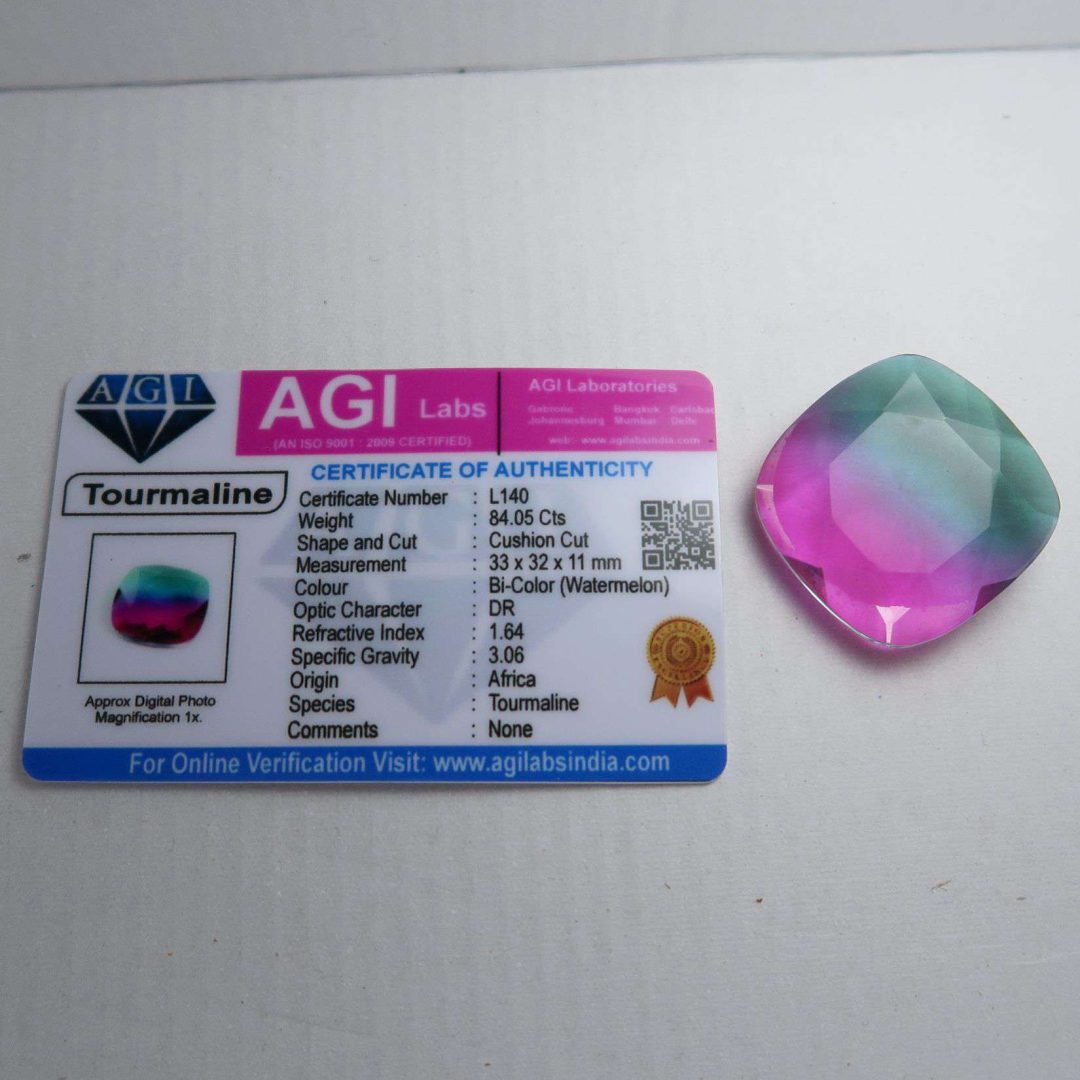
If your gemstone mistakenly came without a certificate or it was lost, sometimes second-hand certificates exist that purportedly pertain to your gem. Confirming the legitimacy of such documents is crucial. Authentic certificates from labs such as EGL, HRD, or SGL are embedded with security features including holograms, unique report numbers, and QR codes that allow online verification.
Using resources such as gemstone certificate verification portals helps owners cross-reference these details. Moreover, comparing the diagram of inclusions and treatment disclosures on the certificate against the actual appearance under magnification solidifies confidence in the match. Beware of common pitfalls as highlighted by guides to spotting fake gemstone certificates, which reveal tactics frequently used in fraudulent documentation.
The Future of Gemstone Certification and Ethical Considerations
With the increasing demand for transparency and ethical sourcing, certification now often extends beyond gemological qualities to include ethical certification. This trend reflects consumer demand for assurance against conflict stones and promotes sustainable mining practices. Reliable labs and organizations like the Gemstone Certification Authority and SGL have begun incorporating origin verification along with quality grading, providing a more comprehensive gemstone profile.
As technology advances, blockchain and digital certifications may soon become standard, offering tamper-proof records and easier transfer of ownership history. This evolution strengthens buyer confidence and protects investors in a market where provenance is paramount.