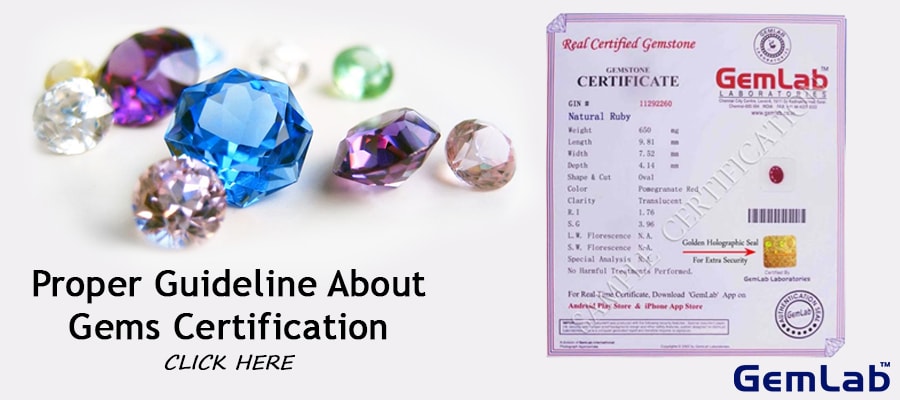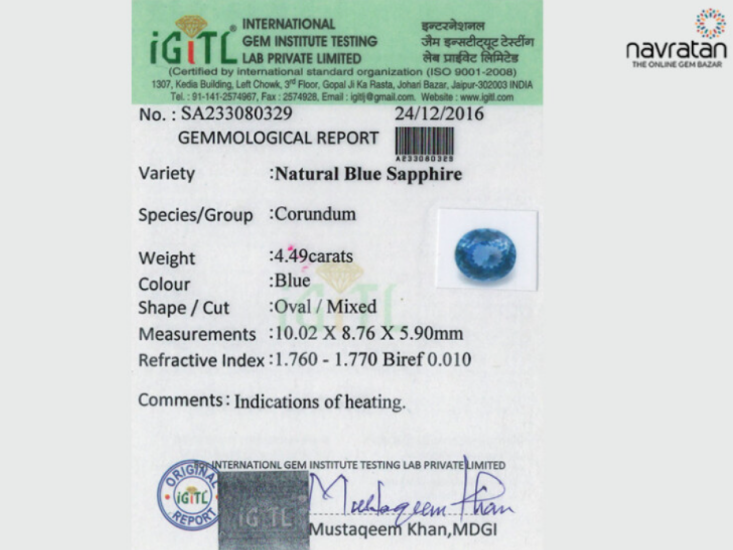
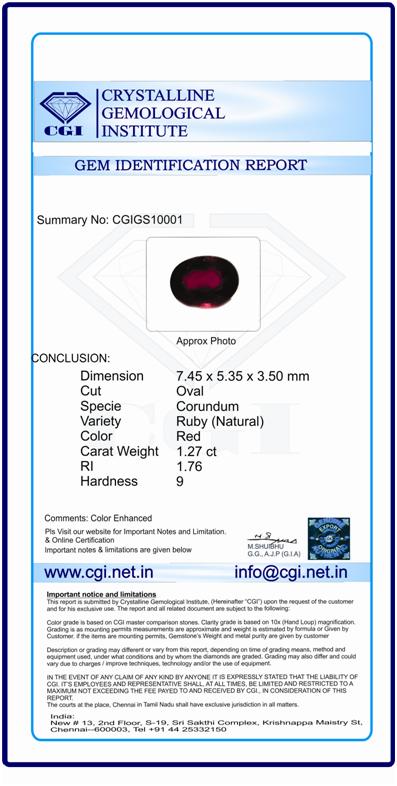
In the dazzling world of gemstones, certification is often regarded as the ultimate seal of authenticity and quality. Precious stones like rubies, sapphires, and emeralds have mesmerized humanity for centuries, symbolizing not only wealth and power but deep cultural and spiritual values. As interest in investing in such gems grows stronger in 2025, understanding the boundaries of gemstone certification becomes essential to navigate this complex market effectively. Certification promises reassurance, yet it is crucial to unravel its limitations, the intricacies of grading, and the nuanced differences among labs like GIA, IGI, and HRD Antwerp that influence a gem’s perceived value.
Gemstone certifications serve as a cornerstone for distinguishing genuine colored gems from synthetic or treated imitations. This complex validation process typically involves visual inspection, advanced spectroscopy, and fluorescence testing aimed at verifying cut, color, clarity, carat weight, and treatment history. However, despite employing sophisticated equipment and methodologies, certification cannot guarantee absolute infallibility. Factors such as variable grading standards, undisclosed treatments, or inconsistent origin reporting may dilute a certificate’s ultimate authority. Investors and collectors alike must critically assess certificates and remain grateful to trusted laboratories like Gubelin Gem Lab or AGS Laboratories, whose rigorous approaches maintain higher reliability within the industry.
Understanding these nuances is critical, especially since a certificate functions much like a gem’s passport, providing essential data regarding its identity and market worth. Yet, this passport is not a guarantee against all deception—various labs have divergent reputations and grading stringency. Recognizing these variations can empower buyers to make wiser decisions when purchasing jewelry or gemstones online or offline. Platforms recommending verified gemstone certifications can substantially mitigate risks but being cognizant of the pros and cons of gemstone certification remains invaluable for ensuring confidence in each acquisition.
The complex role and inherent limitations of gemstone certification in 2025
Certification is more than a simple checklist; it represents an intersection between science and artistry. The process demands expertise in identifying natural versus synthetic gems, detecting treatments such as heating or fracture-filling, and assessing origin, which can heavily influence a gemstone’s prestige and price. Yet, no certificate can unerringly expose every subtle enhancement or perfectly pinpoint every geographic origin, especially with increasingly sophisticated treatments designed to mask imperfections.
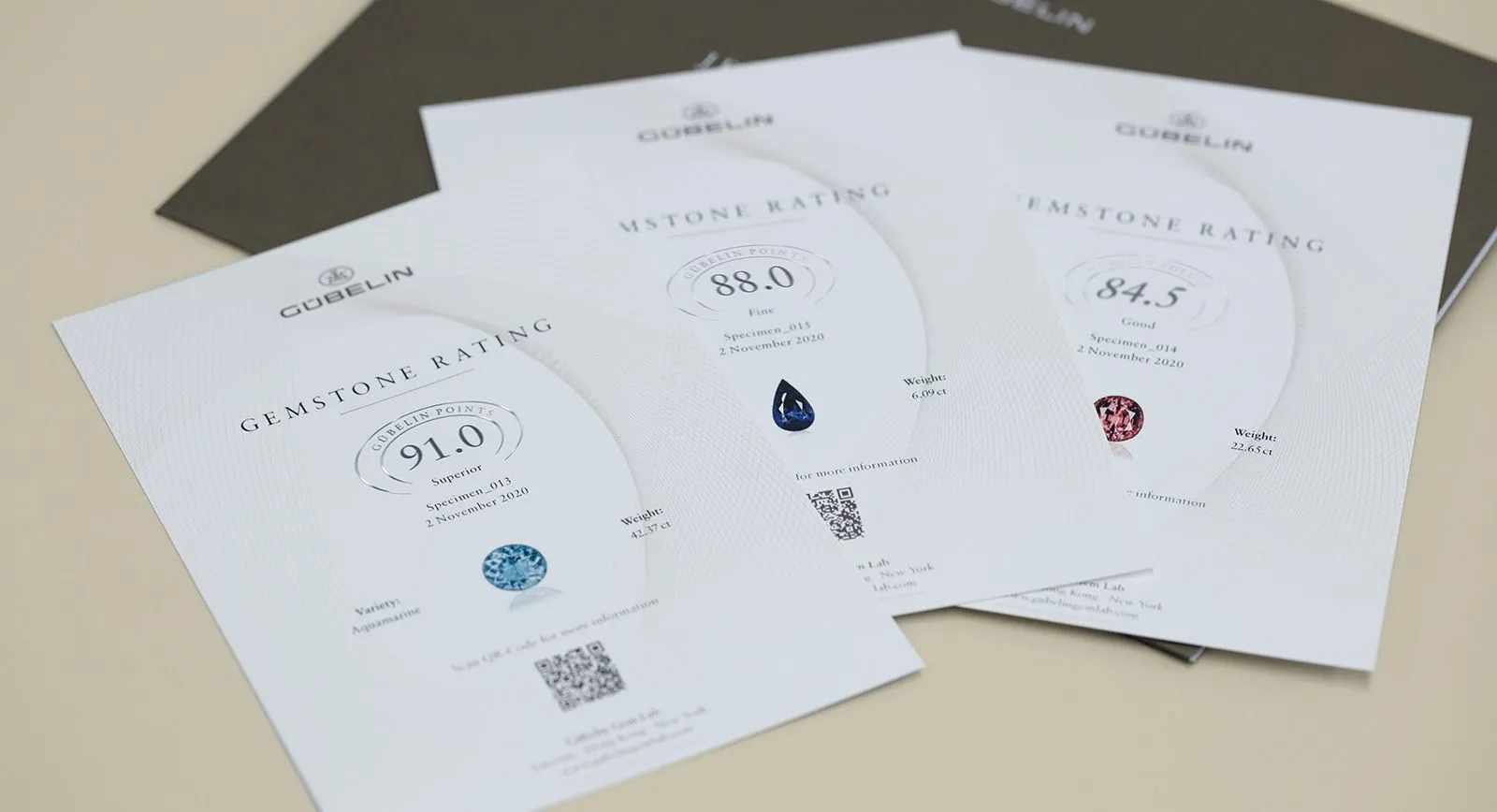
Because laboratories like SSEF and NGTC leverage cutting-edge technology, their certifications often stand out for precision. Still, even these acknowledged institutions face challenges in certain rare cases, such as newly available gemstone varieties or complex composite stones. The possibility that certificates might fail to reveal all aspects of a gem’s history demands a realistic perspective on their role and should motivate consumers to seek complementary knowledge and trusted expert advice.
Distinguishing certificates from different gemological labs
The diversity in certification standards is exemplified by leading agencies including GIA, IGI, HRD Antwerp, and the less globally accepted but regionally important EGL and BGL. For instance, GIA’s meticulous grading system has become the industry benchmark, providing extensive reports covering the 4Cs and treatment disclosures. In contrast, some labs may offer certificates that are less comprehensive or follow alternative grading methodologies, which can confuse buyers unversed in the subtleties of a jewel’s evaluation.
Moreover, certain agencies specialize in distinct segments; for example, Gubelin Gem Lab is renowned for origin certification and detailed provenance research, while HRD Antwerp is highly respected for diamond certifications with increasing colored gemstone services. Recognizing the reputation and scope of each certifying authority is pivotal when interpreting a gemstone’s certificate, ensuring you appreciate what information is reliable and what might still warrant further validation.
How to effectively interpret and verify gemstone certificates
Reading a gemstone certificate involves more than scanning for a name or a value. A genuine document from a trusted lab will detail the stone type, carat weight, cut, clarity, color grading, treatments if any, and origin. Advanced tests such as infrared spectroscopy or X-ray fluorescence provide scientific backing, but understanding their implications requires some expertise. For instance, a certificate may note that a sapphire underwent heat treatment, which, while common, impacts value differently than an untreated stone.
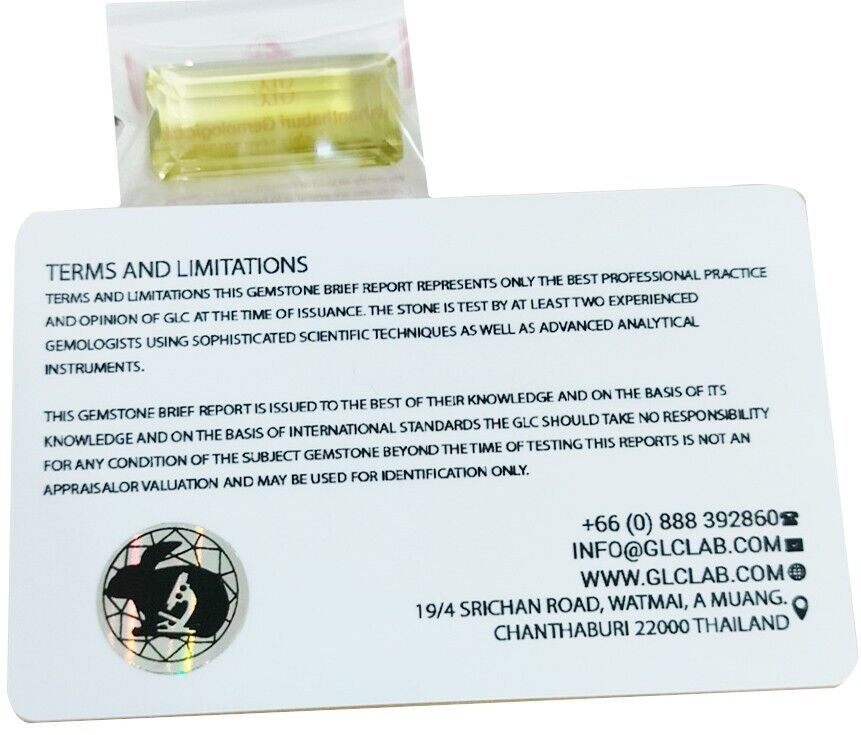
Ensuring the certificate matches the physical stone is also crucial. Practical steps include verifying the report number on the issuing laboratory’s website and comparing detailed measurements and characteristics. Additionally, one should seek certificates with advanced security features to avoid counterfeiting. Resources like certification verification guides can aid buyers in safeguarding their investments.
The impact of certification on the gemstone market and consumer protection
With the market increasingly populated by synthetic and treated stones, certificates have become indispensable tools to uphold market integrity in 2025. Certified gemstones often command premium prices, backed by documented assurance of quality and origin. However, the system relies heavily on consumer education and ethical practices among jewelers. Buyers aware of red flags in gemstone certification—such as unverifiable labs or incomplete treatment disclosures—are less likely to fall victim to fraud.
Furthermore, organizations like the Gemstone Certification Ethical initiatives promote transparency and responsible sourcing, aiming to sustain both buyer confidence and environmental stewardship. Ultimately, certification enhances communication between sellers and buyers but demands vigilance and understanding of its intrinsic limits.