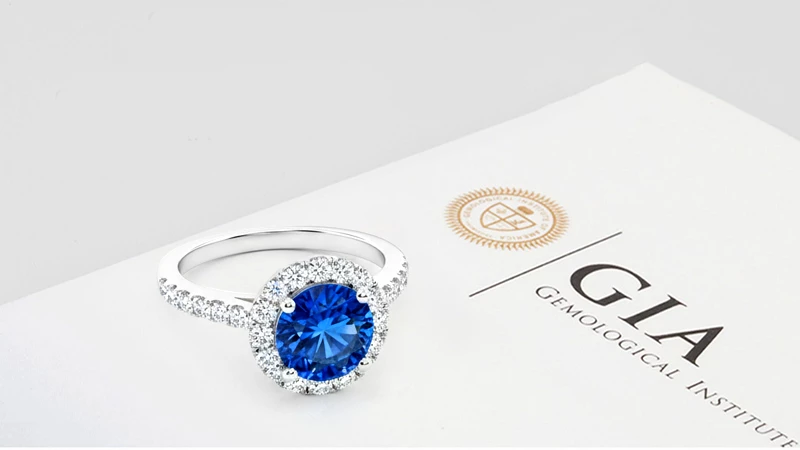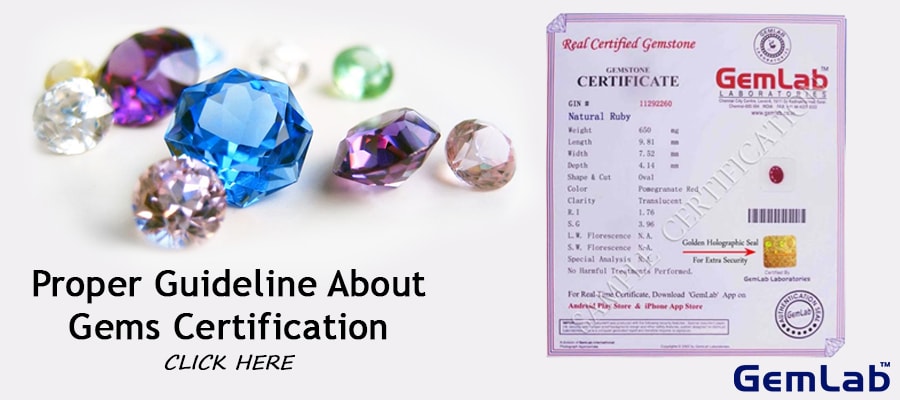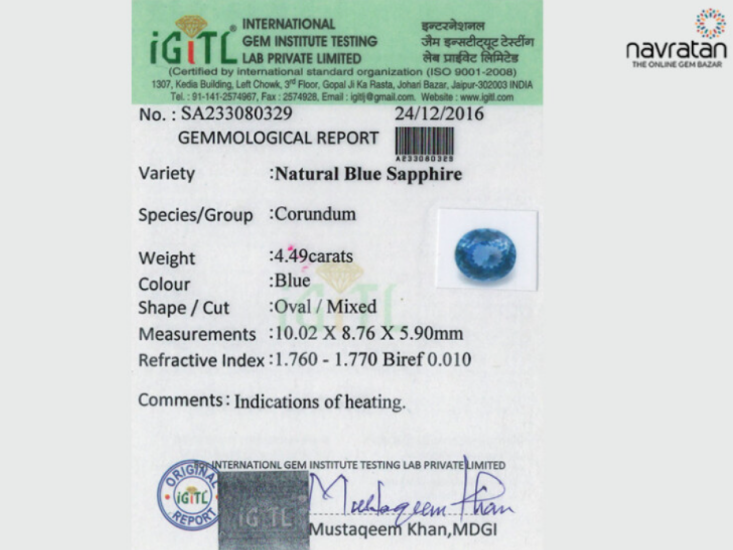

Seasoned gem buyers consistently emphasize the critical role of certification in ensuring the authenticity and value of gemstones. With a crowded market featuring myriad certification bodies, buyers must navigate a complex landscape to make informed decisions. From the trustworthy gems graded by the Gemological Institute of America (GIA) to the scientific rigor of the American Gem Society (AGS) and the specialized provenance focus of labs like Gübelin and the Gem Research Swisslab (GRS), certification influences not only price but trust and resale potential. Understanding certification nuances enables buyers and sellers to safeguard their investments against fraud and inflated claims, a challenge increasingly pertinent with the rise of lab-grown stones and advanced treatments. The subtle expertise of institutions like the International Gemological Institute (IGI) and the European Gemological Laboratory (EGL) add further layers to this dynamic, balancing precision and aesthetics. As the gemstone market evolves, integrating these insights becomes essential to securing the utmost confidence in every purchase or sale.
In brief:
- Certification from reputable labs like GIA, AGS, and IGI anchors gemstone authenticity and value.
- Provenance certification adds an indispensable layer of trust for colored gemstones.
- Knowing differences in grading standards prevents buyer pitfalls and overpaying.
- Certification impacts resale value and buyer confidence, especially in high-stake purchases.
- Leveraging expert advice and understanding certification reports ensures smarter investment choices.
Top Certification Standards for Confident Gemstone Purchases
When acquiring precious gems, seasoned buyers often prioritize certifications from institutions with proven impartiality and rigorous evaluation criteria. The GIA is renowned for its strict adherence to the 4Cs—cut, clarity, color, and carat weight—establishing a global benchmark for grading diamonds and colored gemstones alike. Their reports provide not only quality grades but also detailed origin insights, reinforcing buyer security. Likewise, the AGS applies a scientific grading approach that offers transparent origin and treatment disclosures, an essential feature when assessing the intricate enhancements common in many gemstones today.
For those seeking even more detailed provenance, labs like Gübelin and Caldera Gem specialize in verifying gemstone origin, a factor that dramatically influences the stone’s intrinsic and market value. These labs are particularly prized for colored gemstones such as rubies and sapphires, where origin impacts desirability. Understanding these certifications helps buyers appreciate the stone’s journey from mine to market, an assurance hard to replicate in uncertified stones.
Why Certification Matters Beyond Beauty
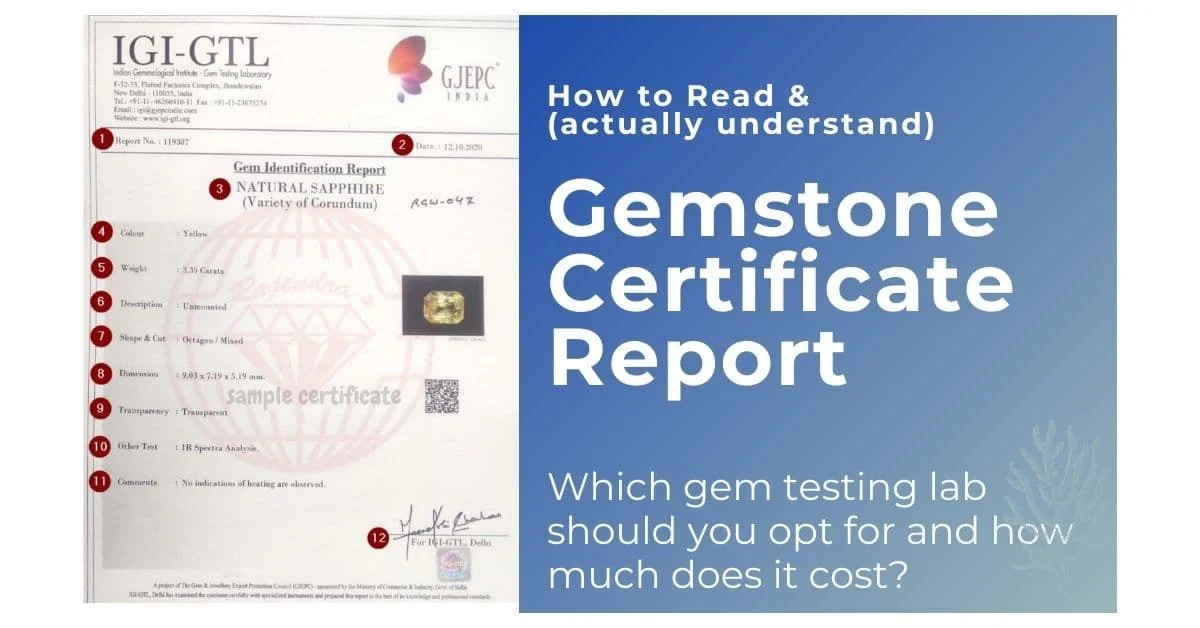
Certification is not merely a gauge of aesthetic appeal but a multidimensional safeguard. Jewelry industry giants like Sotheby’s and Christie’s rigorously demand trusted certifications to authenticate pieces, underscoring certification’s role in securing auction authenticity and value. Moreover, with digital advancements, digital certification technologies are transforming how certificates are stored, accessed, and verified, adding a modern layer of security against forgery.
In the marketplace, whether through platforms such as Blue Nile or James Allen, buyers lean heavily on certified reports to compare value and authenticity. These platforms often feature stones with GIA or IGI certification, vastly improving transparency and buying confidence. The ripple effect is clear: certified gemstones maintain higher resale values and provide a cushion against market volatility.
Common Certification Pitfalls and How to Avoid Them
Even among educated buyers, navigating the myriad certification options can lead to confusion and potential errors. Some certifications, like those from the European Gemological Laboratory (EGL), are sometimes criticized for leniency, resulting in grades that may inflate a gemstone’s perceived worth. Such discrepancies emphasize the importance of understanding each lab’s grading philosophy and reputation.
Additionally, buyers must be wary of certification scams that promise authenticity without backing rigorous examination. Engaging with reputable sources and consulting guides such as those found at gem-certify.com can aid buyers in identifying red flags and ensuring credible certification.
The balance of price versus certification quality is crucial. Opting for cheaper certifications or submitting stones to less reputable labs might seem cost-effective initially but can seriously undermine the gemstone’s market acceptance and future resale potential.
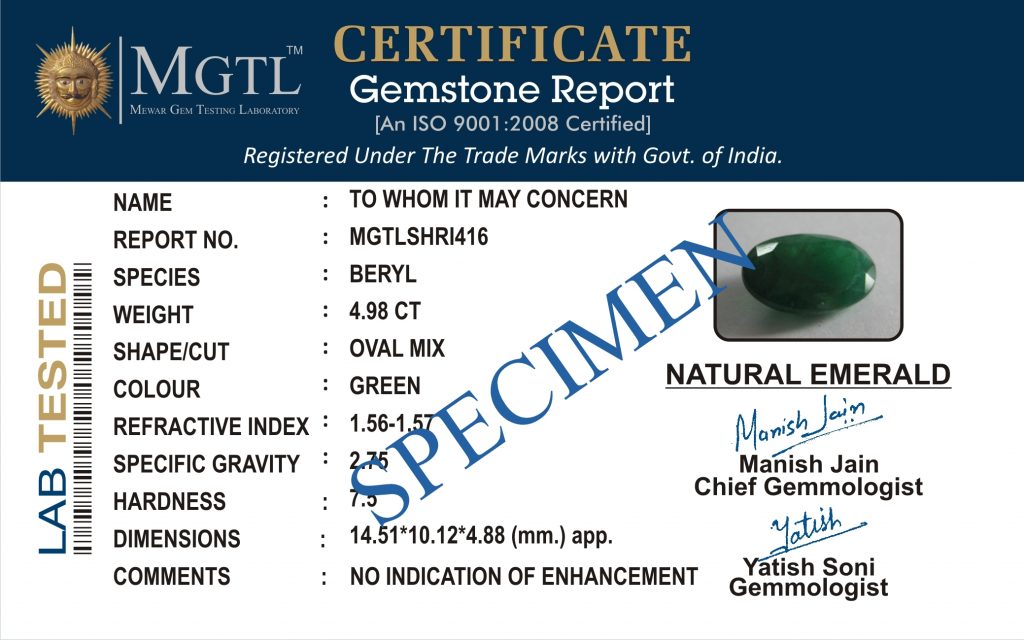
Optimizing Your Gemstone Investment with Expert Guidance
Expertise from well-established certification bodies is just one part of the equation. As suggested in the gemstone certification guides, engaging independent appraisers familiar with certifications from GIA, AGS, and IGI can provide valuable layers of due diligence. Their assessments often transcend basic certification, factoring in market trends and provenance authenticity.
These trusted experts can also advise on insurance considerations, ensuring that the gemstone’s official documentation satisfies insurance claims and valuations. References from reliable sources like jewelry insurance claims certification reinforce the necessity of pairing certification with valid insurance protocols.
Emerging Trends in Gemstone Certification in 2025
With technology advancing rapidly, 2025 sees the integration of blockchain and AI in gemstone provenance tracking, revolutionizing certification by embedding immutable ownership and origin data deep within the supply chain. Labs like the Gemological Science International are at the forefront of incorporating these innovations, offering enhanced traceability and verification.
This technological leap not only bolsters buyer confidence but also promotes ethical sourcing by making the gemstone’s supply chain more transparent. Industry leaders now increasingly link certification to environmental and ethical standards, as highlighted in ethical gemstone certification initiatives, responding to consumer demand for sustainability.