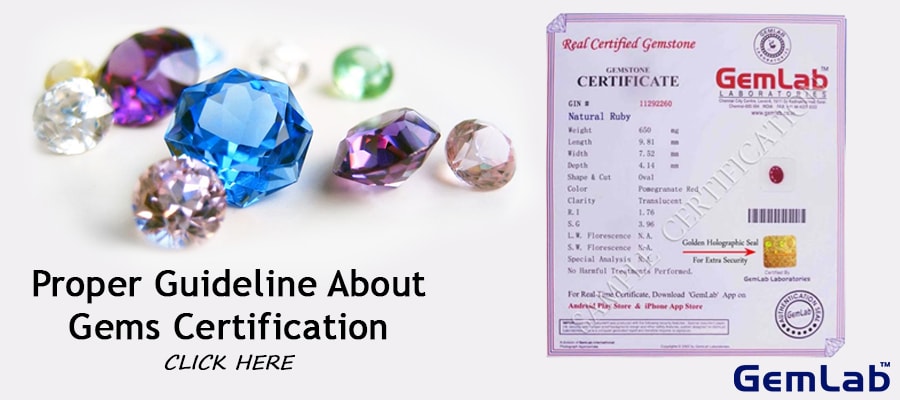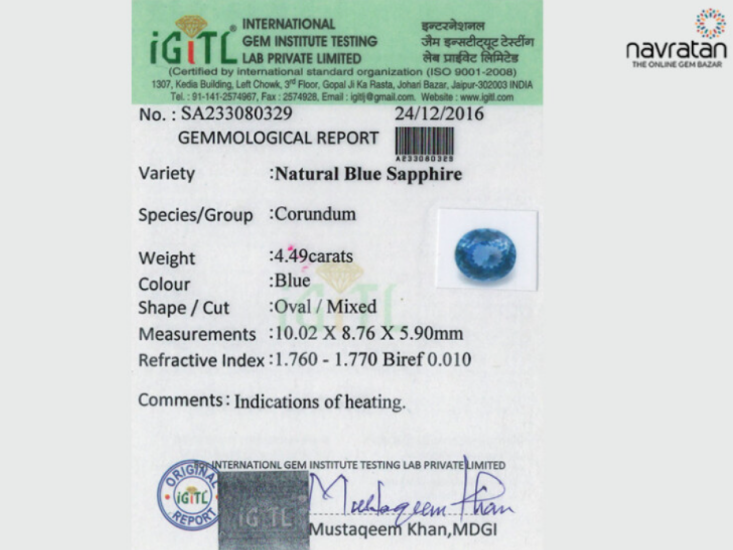

In the rapidly evolving jewellery market, digital gemstone certification stands at the forefront of a transformative shift towards enhanced transparency, authenticity, and consumer trust. For decades, the industry’s reliance on traditional paper certificates—often vulnerable to forgery and subjective grading—has been a recurring source of skepticism. The integration of cutting-edge technologies such as blockchain, artificial intelligence (AI), and advanced spectroscopy is now setting a new standard, mitigating historical limitations and redefining how gemstones are authenticated and tracked from mine to market. These innovations align with the rising consumer demand for verifiable ethical sourcing, treatment disclosures, and traceable provenance. In 2025, leading entities like the Gemological Institute of America (GIA), International Gemological Institute (IGI), and HRD Antwerp are pioneering this digital transformation, merging expertise with technology to elevate the gemstone certification process to an irrefutable benchmark of quality and trust.
Key insights: Digital certification leverages blockchain for immutable provenance records; AI advances gemstone grading with unprecedented accuracy; spectroscopy and imaging technologies enhance detection of treatments and authenticity; trusted laboratories adopt these tools to bolster consumer confidence; and the future points to fully integrated, real-time digital systems empowering buyers and sellers alike in the gemstone market.
How Blockchain is Revolutionizing Gemstone Provenance
Traditional methods of tracing a gemstone’s origin have long struggled with gaps in chain-of-custody and the risk of counterfeit documentation. Blockchain offers a revolutionary solution by creating a decentralized, tamper-proof ledger where every step of a gemstone’s journey—from extraction at the mine to the final consumer—is recorded. This digital ledger enhances transparency and ensures that the origin of each stone can be independently verified. Initiatives by companies like Everledger and platforms such as Tracr have set industry precedents, providing stakeholders with real-time access to trustworthy provenance data. By guaranteeing ethical sourcing and environmental compliance, blockchain effectively addresses consumers’ growing concerns about responsible gemstone procurement.
Building Consumer Confidence Through Immutable Certification
Consumers increasingly reject vague assurances and seek tangible, verifiable claims regarding the authenticity and ethical origins of their gemstones. Digital certificates, accessible via online platforms, provide detailed reports combining traditional grading with blockchain-verified history and AI-enhanced analysis. Laboratories renowned for their rigor, such as GIA and IGI, have begun integrating these tools into their certification frameworks. This synergy between human expertise and technology minimizes subjectivity in grading and virtually eliminates counterfeit certificates, transforming customer trust into a cornerstone of the market.
The Role of Artificial Intelligence in Gemstone Grading and Analysis
Artificial Intelligence represents the new frontier in gemstone grading, offering precision and repeatability that surpass traditional visual inspections. Machine learning algorithms can analyze vast datasets to recognize patterns indicative of a gemstone’s origin, quality, and potential treatments—a task that would be impractical for individual gemologists. The Gemological Institute of America (GIA)’s collaboration with IBM Research to develop AI-based diamond purity assessments exemplifies this leap forward. Similarly, the Gübelin Gem Lab’s Gemtelligence system utilizes deep learning to confidently identify colored gemstones like rubies and sapphires, tackling complexities that previously challenged human graders.
Such AI-driven tools not only accelerate certification processes but ensure consistency and objectivity. Their adoption by leading labs enhances the credibility of certificates and supports the global industry in combating fraud and maintaining market integrity.
Integrating AI with Consumer Education and Certification
While advanced AI systems offer precise gemstone analysis, consumer education remains critical. Understanding the significance of AI in certification empowers buyers to recognize the value of digitally certified gemstones over uncertified or traditionally graded alternatives. Platforms supported by entities like Gem-A, GRS Laboratories, and GemsTrust emphasize transparent communication and offer consumers access to detailed grading data. This fusion of technology and education nurtures an informed market where buyers feel confident in investing in verified gemstones.
Advanced Spectroscopy and Imaging: Enhancing Gemstone Authenticity
Beyond digital ledgers and AI, physical analysis technologies such as advanced spectroscopy and computed tomography (CT) scanning are refining gemstone identification standards. Spectroscopy works by examining how a gemstone interacts with light to reveal its chemical fingerprint, facilitating differentiation between natural and synthetic stones and detecting treatments and enhancements. Portable spectrometers have become commonplace in retail environments, allowing immediate and accurate assessments.
CT scanning and other 3D imaging technologies further dissect a gem’s internal structure—uncovering inclusions, growth patterns, and treatment traces invisible to the naked eye. These insights directly impact the accuracy of certification reports issued by trusted labs such as those affiliated with the Gemological Institute of America (GIA) and HRD Antwerp. Such detailed physical verification complements digital records, offering a comprehensive authentication process that benefits sellers and collectors alike.
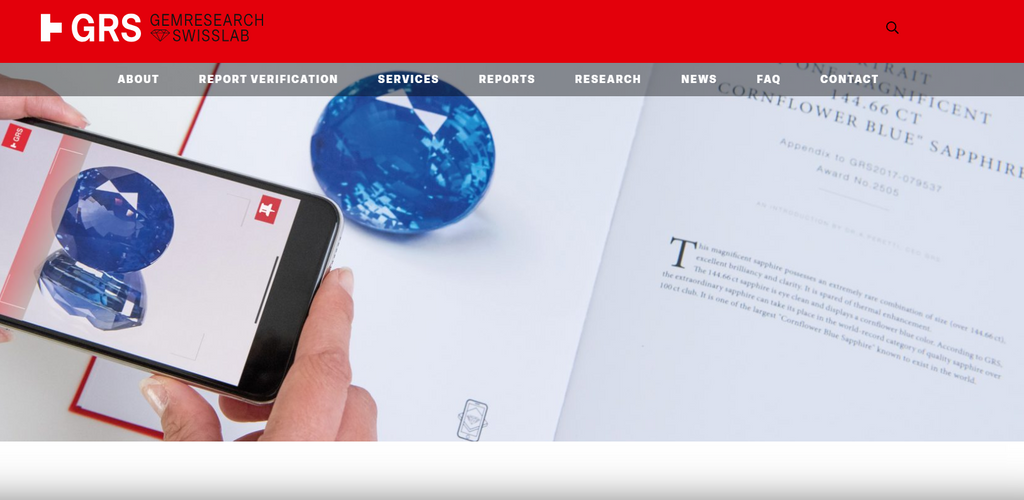
New Standards Emerging from Integrated Digital Technologies
The convergence of blockchain, AI, and physical testing tools is fostering a paradigm shift in gemstone certification. Industry consortia like GEMNET actively promote these integrated approaches, encouraging standardized practices that raise the overall quality and trustworthiness of gemstone appraisals worldwide. This trend not only protects consumers from scams, as described in gemstone certification scam warnings, but also enhances the resale value of certified gems by making provenance indisputable.