In the evolving world of gemstones, the distinction between certified natural stones and synthetic counterparts becomes increasingly critical. With advancements in technology, lab-created gemstones mirror their natural equivalents in every tangible way, challenging traditional notions of authenticity and value. As consumers grow more ethically and environmentally conscious, the decision between certified natural gems—whose provenance is thoroughly verified by reputable institutions like GIA and IGI—and synthetic stones demands scrutiny beyond mere appearance. Understanding the nuances in origin, certification, and market perception not only safeguards investments but also aligns purchasing choices with personal values.
In brief:
- Certified gemstones undergo rigorous testing and validation, ensuring their natural origin, quality, and ethical sourcing.
- Synthetic stones are man-made counterparts, chemically and physically identical but produced in labs under controlled conditions.
- Certification from bodies like GIA and IGI provides crucial transparency in distinguishing authentic natural stones from synthetics.
- The market recognizes luxury brands such as Tiffany & Co., De Beers, and Swarovski for setting high standards in gemstone quality and certification.
- Choosing between certified natural and synthetic gemstones involves weighing factors like rarity, price, ethical considerations, and long-term value.
Understanding the Value of Certified Gemstones in 2025
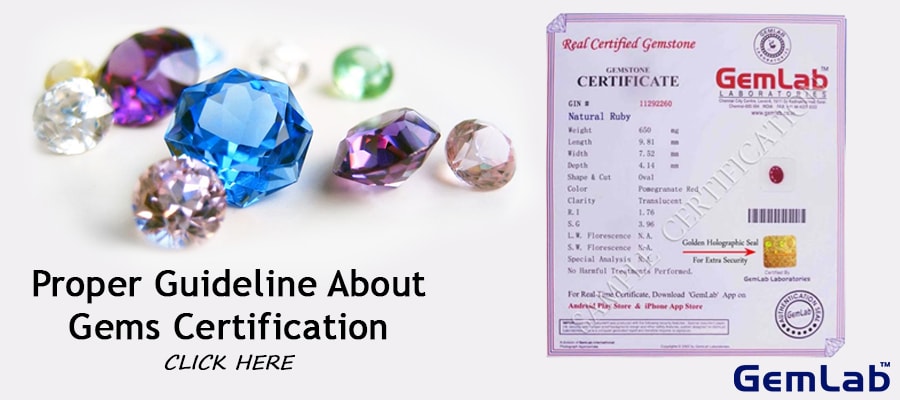
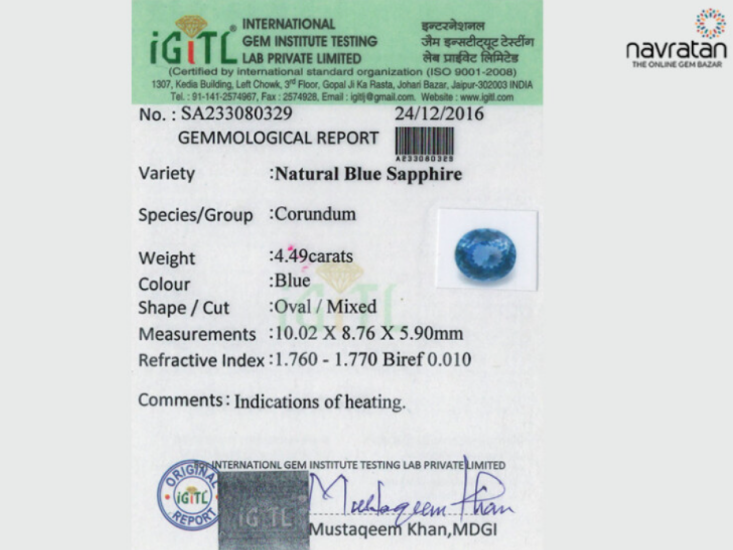
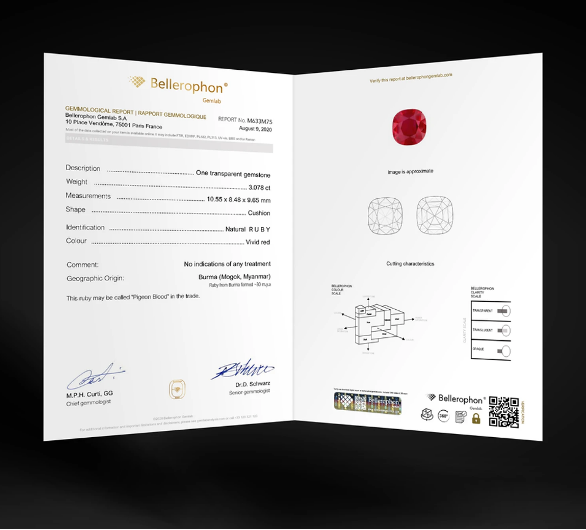
Certified gemstones represent the pinnacle of assurance in the gem market. Their value lies not only in their rarity and natural formation but also in the detailed documentation establishing their origin, quality, and authenticity. Laboratories such as GIA and IGI utilize sophisticated technologies to analyze and grade gemstones, providing certificates that serve as a trusted reference for buyers and collectors alike. This formal certification is essential for investors and enthusiasts seeking pieces from renowned jewelers like Tiffany & Co. and Helzberg Diamonds, who emphasize certified materials in their collections. These certificates reduce the risks associated with purchases, such as misidentification or undisclosed treatments, and play a pivotal role in insurance and resale considerations. In a market increasingly aware of provenance, certification emerges as the standard of transparency and confidence.
The Chemistry Behind Synthetic Stones and Their Market Position
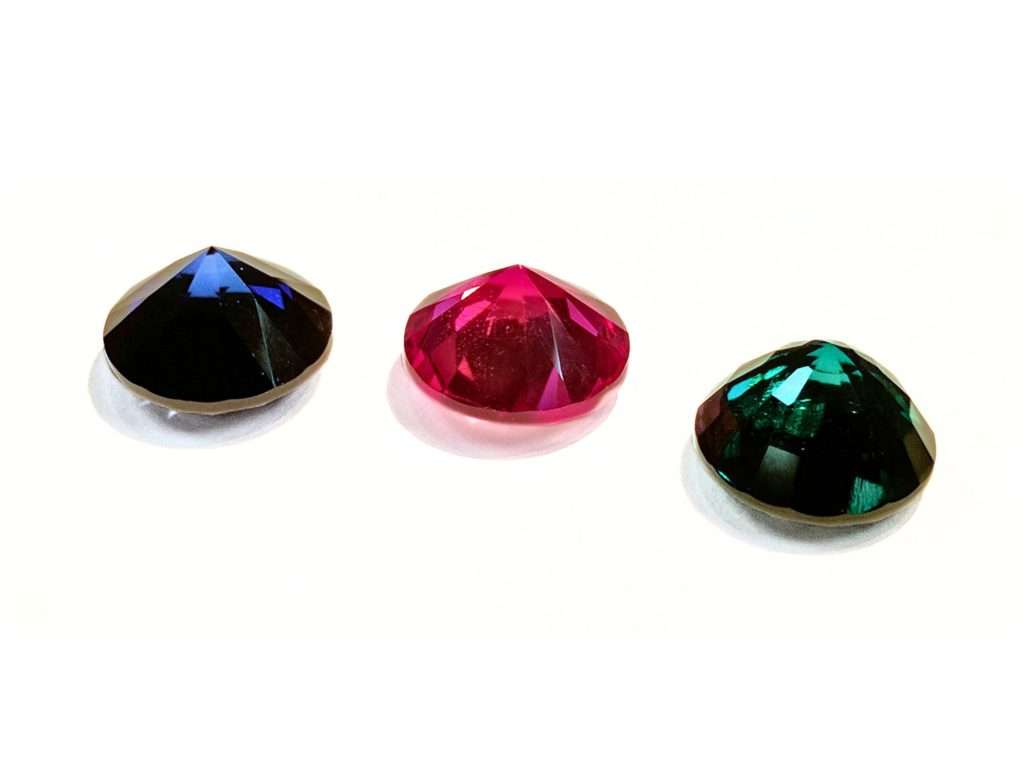
While certified natural stones attest to nature’s geological artistry, synthetic gemstones are human-made marvels designed to replicate their counterparts with remarkable precision. Brands like Charles & Colvard and Chatham harness techniques such as High Pressure High Temperature (HPHT) and Chemical Vapour Deposition (CVD) to grow gems that match natural ones in chemical composition, clarity, and brilliance. Despite their identical physical properties, synthetic gems often come at a fraction of the cost and with a reduced environmental impact, positioning them as attractive options for budget-conscious, ethical consumers. However, without standardized certification akin to that for natural stones, buyers must rely on trusted sources and detailed disclosures to ensure the gemstones’ authenticity. Understanding this distinction is vital to navigating the fine line between value and authenticity.
Certification: The Benchmark Separating Natural from Synthetic
Certification stands as the definitive tool for differentiating natural gemstones from their synthetic imitators. For example, laboratories like GIA and IGI issue detailed reports that document whether a stone is natural, lab-grown, or enhanced. This process involves advanced gemological examinations, including spectral analysis and microscopic inspection, to identify inclusions inherently present in natural stones but absent or different in synthetic ones. Jewelers and manufacturers such as Swarovski and Stuller advocate for gemstone certification to assure customer trust and uphold market standards. Access to gemstone provenance certification, a topic detailed further at gemstone provenance certification, highlights the growing emphasis on transparency in 2025’s gem trade. These distinctions are crucial not only for consumer confidence but also for resale and investment potential.
Weighing the Ethical and Environmental Implications
The choice between certified natural gemstones and synthetic stones frequently involves ethical and environmental considerations that resonate strongly in 2025’s market narrative. Mining natural gems, often associated with notable environmental degradation and social responsibility challenges, contrasts sharply with the sustainable production of synthetic gemstones. Companies like Gemfields promote responsible mining practices, but synthetic alternatives present a compelling option for buyers prioritizing environmental impact and labor ethics. Furthermore, the enhanced transparency offered by certification processes facilitates conscientious purchasing decisions, empowering consumers to align their acquisitions with their values more effectively. Thus, certification not only authenticates the gemstone but also signifies a commitment to greater ethical standards.
How Certification Empowers Consumers in a Complex Market
In 2025, certified gemstone programs empower consumers to navigate a marketplace crowded with both natural and synthetic offerings. Certification supports buyers in verifying authenticity, understanding treatment histories, and assessing quality metrics that influence value. Platforms and resources that explain gemstone certification myths and best practices, such as those found at gemstone certification myths and buying gemstones certification, equip consumers with the knowledge needed to make informed decisions. The prestige of owning certified stones from brands like De Beers adds an unmatched dimension of trust and exclusivity. Meanwhile, understanding certification upgrades and gemstone grading trends can guide collectors and investors to optimize their portfolios.