
In the rapidly evolving marketplace of 2025, the allure of gemstones remains undiminished, yet the landscape of buying these precious stones has transformed dramatically with the rise of online platforms. While the convenience of purchasing gems from the comfort of one’s home is undeniable, this shift also introduces complexities that demand careful navigation. Among the myriad factors to consider, certification stands out as the cornerstone of confidence and authenticity when acquiring gemstones online. With countless sellers and a diverse range of stones available, the presence of a recognized certification ensures buyers are protected from counterfeit or substandard gems.
Trusted certification bodies like the Gemological Institute of America (GIA) and the International Gemological Institute (IGI) provide comprehensive assessments that authenticate a gemstone’s quality and origins. This guide will unravel why these certifications are indispensable in 2025’s digital gemstone market and how they empower consumers to make educated, secure investments. Platforms such as Gem Certify highlight the significance of certification not only as a symbol of quality but also as an essential tool for resale value and insurance purposes.
Understanding the intricacies behind gemstone certification, recognizing the reputable agencies, and knowing what to scrutinize when evaluating a stone’s credentials can turn an otherwise daunting online purchase into a rewarding acquisition. This essential knowledge transcends mere aesthetics, addressing critical factors such as the Four Cs—color, cut, clarity, and carat weight—all backed by reliable laboratory reports that provide transparency unparalleled in physical stores.
Equally critical is the role of sellers with strong reputations for transparency and customer service, such as those affiliated with Jewelers Mutual or marketplaces like Brilliant Earth and Blue Nile. Their insistence on certified stones reflects a broader industry standard necessary to maintain buyer trust and protect investment integrity amidst rising online transactions.
In essence, a gemstone’s certification is not merely a piece of paper but a declaration of authenticity, quality, and ethical sourcing that every buyer must prioritize to safeguard their investment in this vibrant and sophisticated market.
En bref :
- Certification by trustworthy labs like GIA and IGI is essential to verify the authenticity and quality of gemstones purchased online.
- Knowledge of the Four Cs—color, cut, clarity, carat weight—according to certified reports is vital to making informed decisions.
- Sellers linked to recognized institutions such as Jewelers Mutual provide transparency and customer reliability.
- Certified gemstones hold greater resale and insurance value, offering protection for your investment.
- Utilizing resources like Gem Certify ensures access to education and verification services that prevent costly mistakes in online purchases.
How Gemstone Certification Guarantees Authenticity and Trust for Online Buyers
In an era where online gemstone purchases have surged dramatically, the risk of encountering fraudulent or misrepresented stones has concurrently escalated. Herein lies the paramount importance of gemstone certification. A certification report issued by reputable institutions like Gemological Science International or American Gem Society serves as an expert third-party validation, detailing the precise characteristics of a gemstone beyond visual appeal.
These laboratories conduct exhaustive analyses to assess a gem’s color, clarity, cut, carat weight, and sometimes its origin and treatment history. This transparency is invaluable in a digital marketplace where buyers cannot physically inspect stones. For instance, Jewelers Mutual emphasizes that certification bridges the gap between seller descriptions and buyer confidence, providing a guarantee that the gem received matches the quality promised.
Moreover, certified gemstones are easier to authenticate during resale or insurance claims, simplifying processes that otherwise involve considerable uncertainty. The value of having a verifiable document has grown particularly notable given the rise in international gemstone trade enabled by platforms such as Gemfields and James Allen, where sourcing can vary widely and the risk of unethical practices lurks.

Identifying Reputable Certification Agencies and What They Provide
Not all certifications carry the same weight. Buyers must prioritize reports from agencies known for rigorous standards and impartiality such as the GIA, IGI, and American Gem Society. While these bodies are often cited for diamonds, their gemstone grading and certification services have become critical in boosting market transparency across all precious stones.
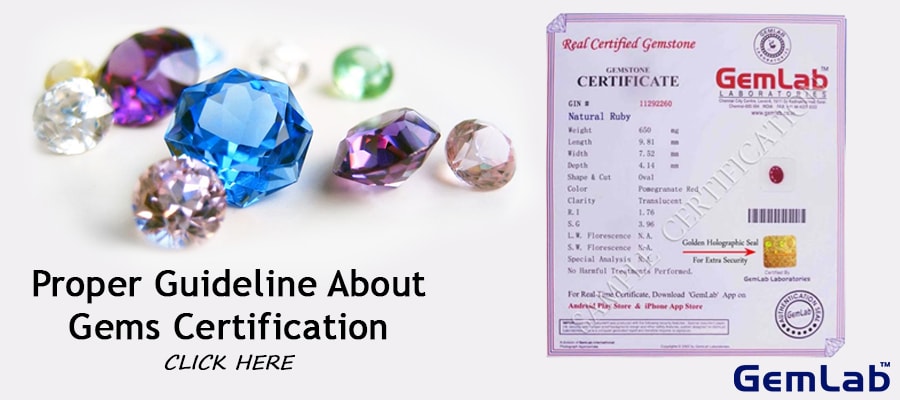
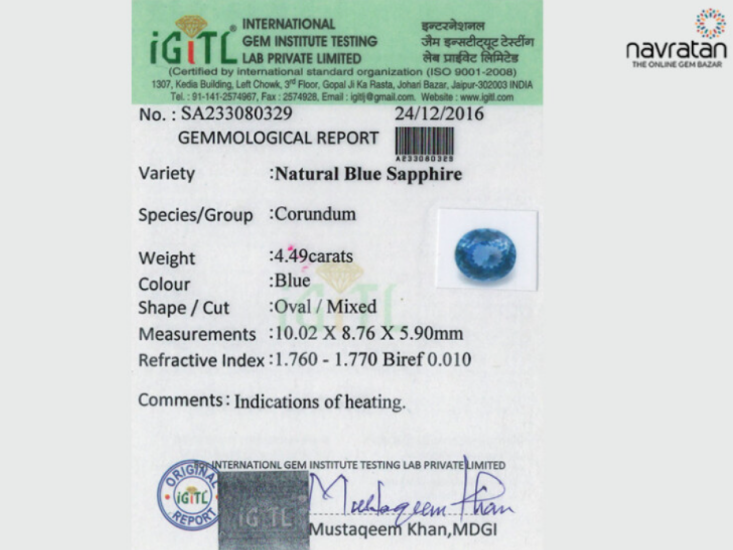
Each certification agency offers a detailed report that commonly includes a high-resolution image of the gemstone, an analysis of its physical and optical properties, and, when applicable, notes on treatments or enhancements. This documentation is essential for verifying authenticity and distinguishing genuine gemstones from synthetics or simulants.
Understanding the distinctions between each agency’s methodologies and grading criteria can empower buyers to select certifications that align best with their expectations for quality and future resale value. More comprehensive guides available through resources like Gem Certify’s gemstone certification guide demystify these aspects, encouraging smarter purchases that withstand market scrutiny.
Crucial Considerations When Evaluating Online Gemstone Sellers
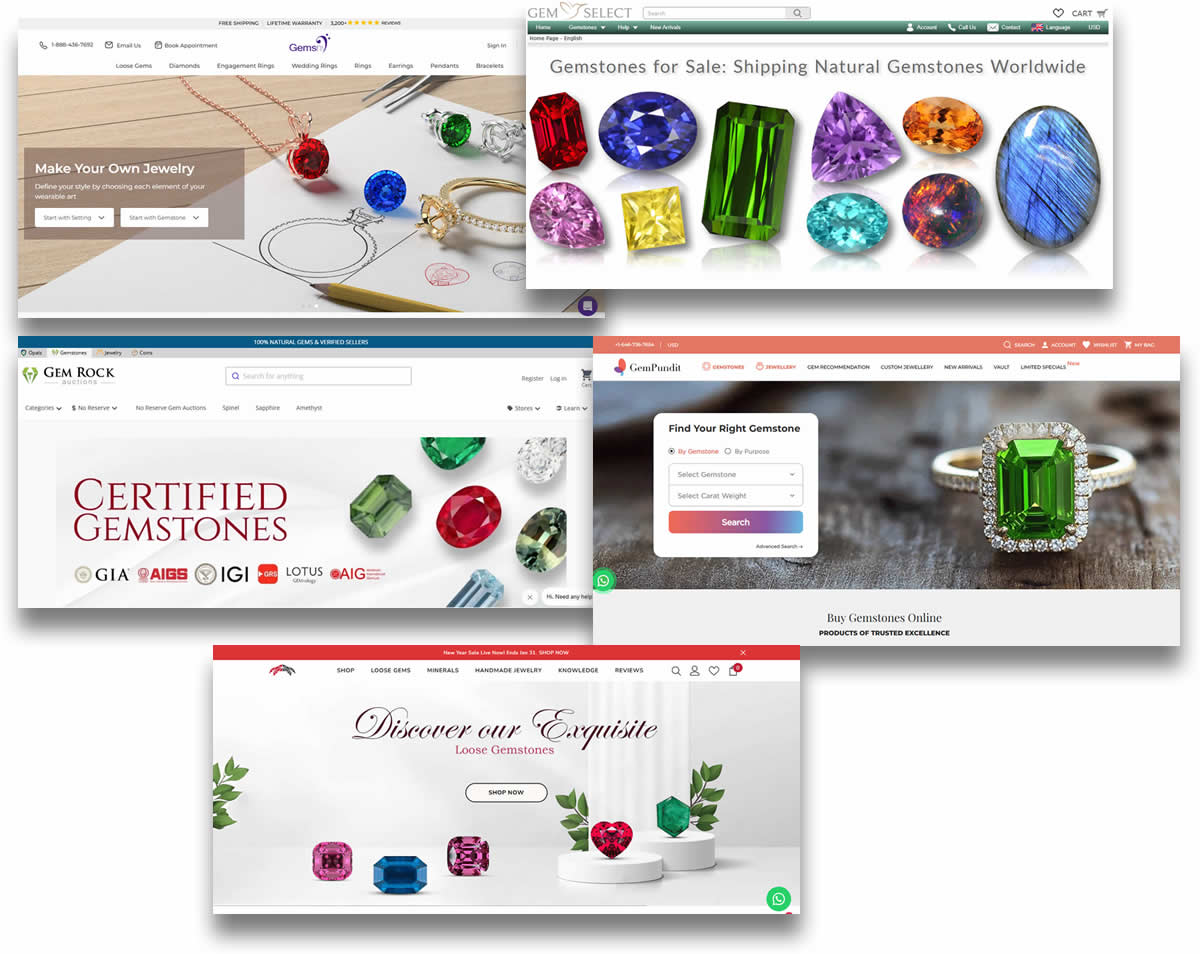
Beyond certification, a seller’s reputation and transparency are fundamental pillars in the online gemstone market. Platforms known for strict vetting of their inventories like Brilliant Earth and James Allen distinguish themselves by offering only lab-certified stones and comprehensive product disclosures.
Researching customer reviews, return policies, and after-sales service can signal the reliability of a seller. Trustworthy vendors typically provide secure payment options and accept returns if the product does not match the certification or customer expectations. Such practices are vital in mitigating risks that inherently accompany remote purchasing.
For instance, some sellers partner closely with renowned labs or use experts from Rapaport or Gemfields to authenticate their gem collections, adding layers of legitimacy that reassure buyers. Detecting fake certificates is also increasingly straightforward with advanced verification tools popularized by leading certification platforms, shielding consumers from fraud attempts.
Understanding the Investment Value of Certified Gemstones
The allure of gemstones extends beyond aesthetics; they often serve as potent investment assets. Certified gemstones carry demonstrable value backed by independent grading that can influence price fluctuations in a volatile market. Financial advisors and seasoned collectors frequently recommend prioritizing certified stones because they retain liquidity and value much better than uncertified counterparts.
Institutions like Jewelers Mutual emphasize that proper certification can even enhance insurance coverage options, providing peace of mind for asset holders. Additionally, real-time data from market leaders like Rapaport offer up-to-date pricing trends that buyers can leverage to make financially prudent decisions. This fusion of certification, solid seller reputation, and market analysis forms the backbone of savvy gemstone investment strategies.