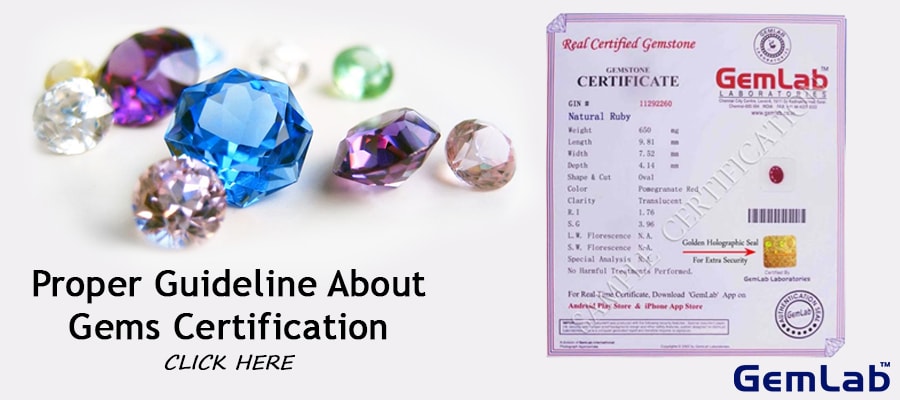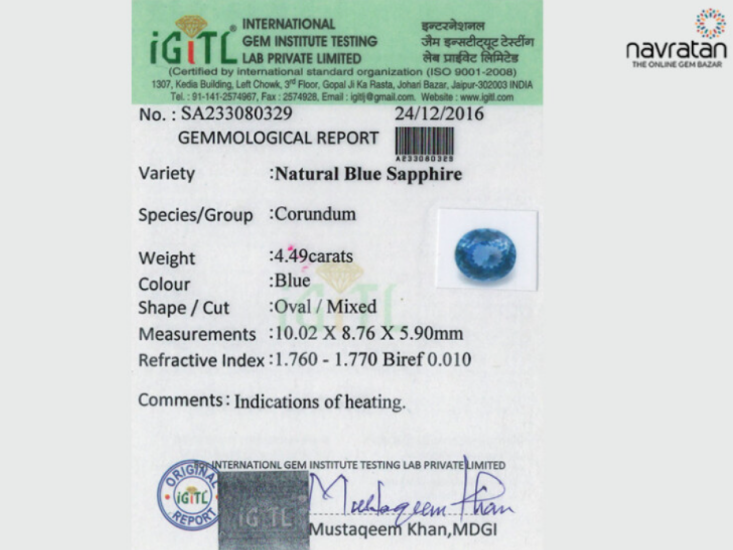
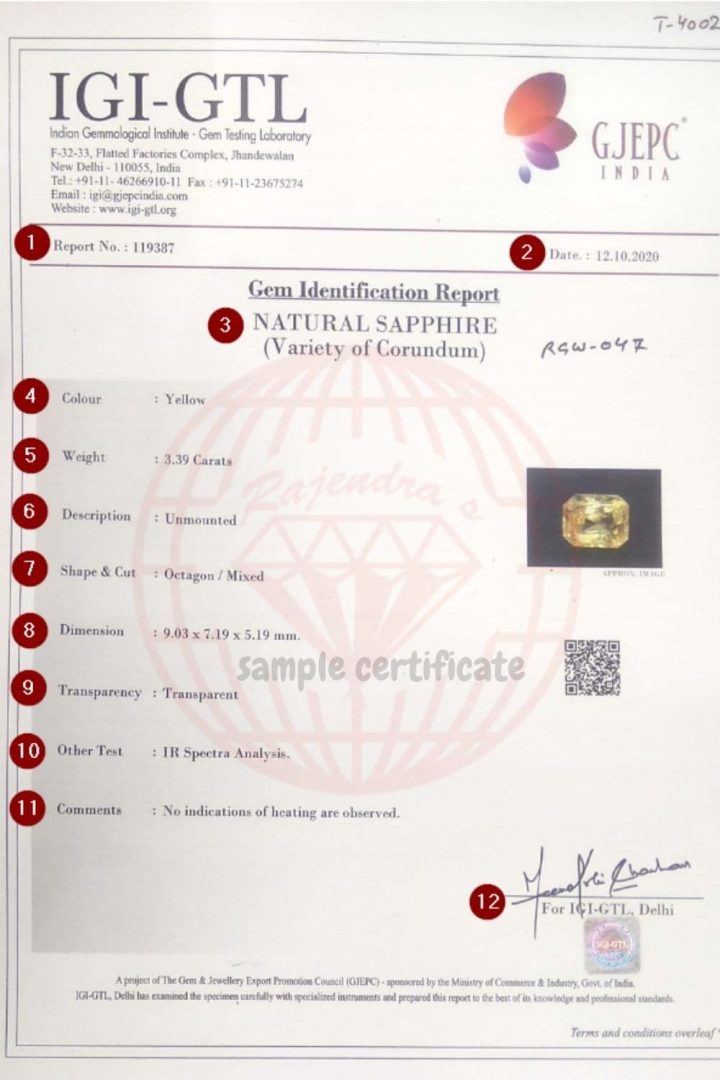
In the intricate world of gemstones, ensuring the authenticity and quality of your purchase is paramount. As the market grows increasingly complex with synthetic stones, undisclosed treatments, and varying origins, gemstone certification emerges as a crucial tool for buyers and sellers alike. This certification, issued by reputable laboratories such as the Gemological Institute of America (GIA) or the Swiss Gemmological Institute (SSEF), provides a detailed assessment of a gemstone’s characteristics. In 2025, with growing consumer awareness and more sophisticated fraud tactics, having a certified gemstone not only safeguards your investment but also fosters transparency and trust in transactions. Understanding the importance and benefits of gemstone certification is essential whether you are a collector, an investor, or a jewelry enthusiast.
In brief:
Certification confirms gemstone authenticity, distinguishing natural stones from synthetics or treated variants. It offers objective evaluations of the four critical quality factors—color, clarity, cut, and carat weight—crucial for accurate valuation. Certified stones often hold higher market value, easing resale and insurance processes. Trusted certification bodies, including GIA, IGI (International Gemological Institute), and AGS (American Gem Society), provide recognized and standardized reports that mitigate risks of fraud. This assurance also enhances sellers’ credibility and consumer confidence amid an evolving gemstone market.
Why gemstone certification is vital for transparency and trust in 2025
In 2025, the gemstone market presents both vast opportunities and significant pitfalls for purchasers. Uncertified stones may mask undisclosed treatments or synthetic origins, which directly impact value and desirability. Certification serves as a formal declaration from expert gemologists confirming a stone’s nature and quality, acting as a safeguard against deceptive practices.
By obtaining a gemstone certificate from renowned laboratories such as GIA, SSEF, or HRD Antwerp, buyers secure detailed insights including carat weight, color grading, clarity assessment, and any treatments disclosed. This transparency empowers consumers to make informed choices, builds confidence, and legally supports them in disputes. The rise of advanced detection techniques enhances the accuracy of certifications, making it indispensable for those seeking genuine value rather than mere aesthetic appeal.
How certification protects your gemstone investment with verified details
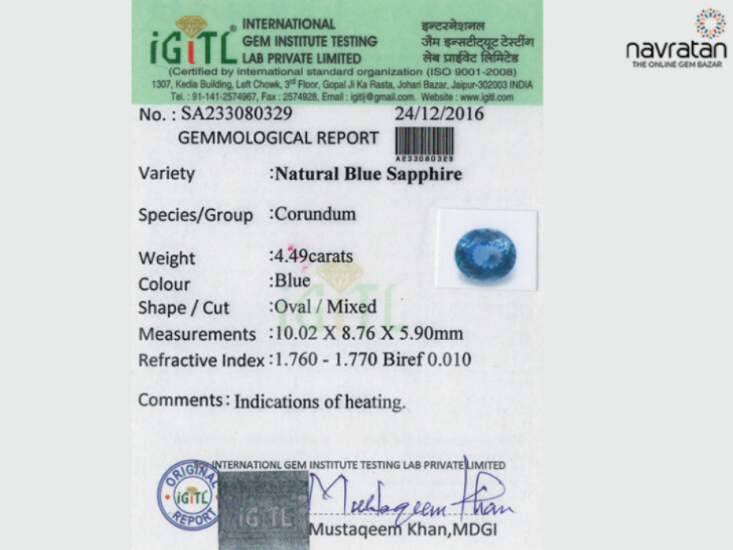
Imagine purchasing a magnificent sapphire poised to be a family heirloom or a lucrative asset. Without certification, you risk acquiring a stone with hidden fractures or treatments that severely depreciate its value. A certificate from credible institutions like Gubelin Gem Lab or the International Gemological Institute (IGI) guarantees an impartial evaluation of essential attributes. These reports include exact measurements and treatment disclosures, which are vital for future resale or insurance.
The difference is evident: certified stones command a premium, sometimes up to 30% higher than uncertified equivalents, especially in high-stakes auctions. Furthermore, certifications from these labs provide security features such as holograms and barcodes to prevent forgery, adding an extra layer of trust for the buyer.
Trusted laboratories and their role in gemstone certification reliability
Not all certificates carry equal weight. The significance lies in the reputation and expertise of the issuing laboratory. Institutions like the GIA, SSEF, AGS, NGTC (National Gemstone Testing Center), and PGI (Pirlanta Gemological Institute) are industry leaders that adhere to rigorous standards. Choosing labs recognized for their integrity ensures accurate grading and origin verification, which are pivotal for consumers seeking peace of mind.
For example, the American Gem Society (AGS) employs advanced technologies to assess cut quality, a key factor often overlooked but essential in determining a gemstone’s brilliance and value. Their detailed certificates are widely trusted among collectors and investors alike. Similarly, EGL (European Gemological Laboratory) specializes in colored stones and is highly regarded in European markets.
Certification impact on resale, insurance, and legal assurance
Beyond initial purchase, certified gemstones streamline subsequent transactions including resale and insurance. Insurers require certified documentation to appraise value accurately and offer appropriate coverage. Additionally, a certificate serves as legally recognized proof in disputes over authenticity or quality, minimizing costly disagreements.
For sellers, providing certified stones elevates credibility, reduces returns, and justifies premium pricing. Buyers benefit from documented assurances, making gemstone certification a mutually valuable asset that strengthens the entire market ecosystem.