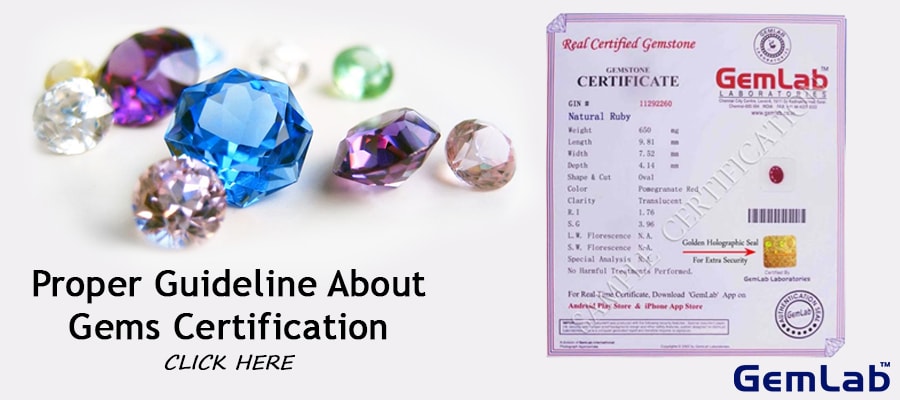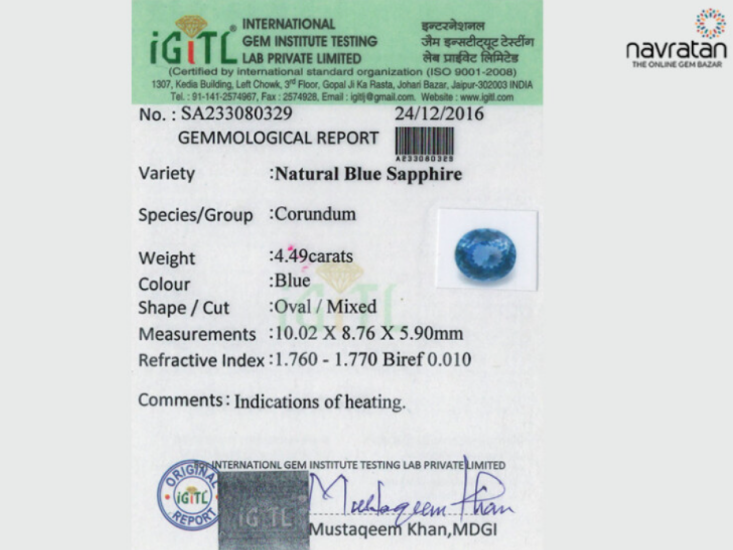
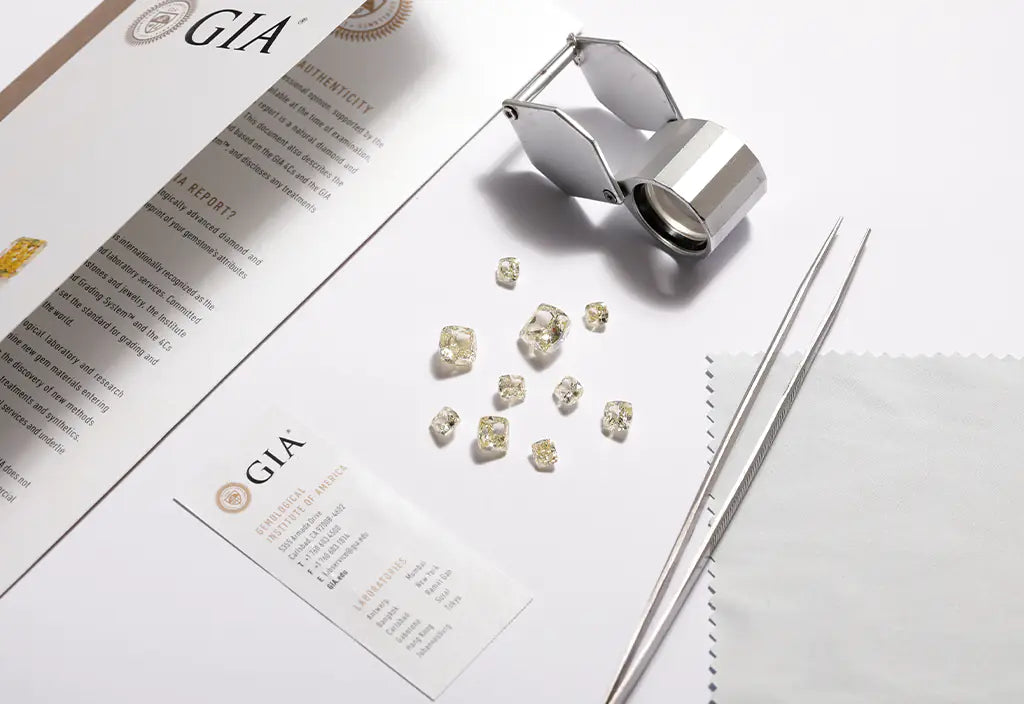
In the intricate world of gemstones, consistency in certification standards serves as the backbone for maintaining market integrity and consumer trust. With advances in technology and the undeniable surge in global gemstone trade, having transparent, unified criteria becomes critical to safeguard authenticity and value. As buyers grow more discerning, the demand for reliable certification bodies that adhere to rigorous, consistent grading methods has never been stronger. This ensures that when a consumer purchases a gemstone, like an emerald or diamond, it truly reflects the quality and provenance declared in its certification.
The gemstone industry thrives on credibility, which only certification adhering to uniform standards can provide. Leading institutions such as the Gemological Institute of America (GIA) and the International Gemological Institute (IGI) exemplify this commitment by offering detailed, accurate, and transparent reports. These certifications reveal not just the gemstone’s authenticity but its intricate details including color, clarity, cut, carat weight, and treatment processes—critical data that influences pricing and resale value. Without this consistent framework, buyers face uncertainty, risking investment in stones that may be inaccurately described or overvalued.
En bref :
- Uniform certification standards protect buyers and uphold market value by ensuring gemstones are assessed using internationally recognized criteria.
- Renowned laboratories like GIA and IGI provide extensive reports detailing gem characteristics, offering transparency in gemstone quality.
- Certification discloses vital information such as treatments and origin, which directly impact the gem’s authenticity and market price.
- Consistent certification mitigates fraudulent claims, strengthens consumer confidence, and supports a stable gemstone trade environment.
- Ethical considerations and responsible sourcing are increasingly embedded within certification processes, reflecting broader industry commitments.
How Consistent Standards Elevate Trust in Gemstone Certification
The gemstone certification landscape is populated by numerous laboratories across the globe, each with its methodologies and grading protocols. Amid this diversity, consistency forms an indispensable pillar for validating a gem’s characteristics and reinforcing buyer assurance. Laboratories like the Gemological Institute of America (GIA), American Gem Society (AGS), and International Gemological Institute (IGI) have built reputations based on transparent, repeatable testing sequences aligned with international standards such as ISO 17025 accreditation.
This standardization means that an emerald certified by the Gubelin Gem Lab in Switzerland is assessed using metrics compatible with those of HRD Antwerp or the British Gemological Laboratory (BGL). Such uniformity in grading ensures that consumers, retailers, and investors speak a common language concerning gemstone quality. It reduces discrepancies that could otherwise undermine market stability and tarnish the overall reputation of the gemstone industry.
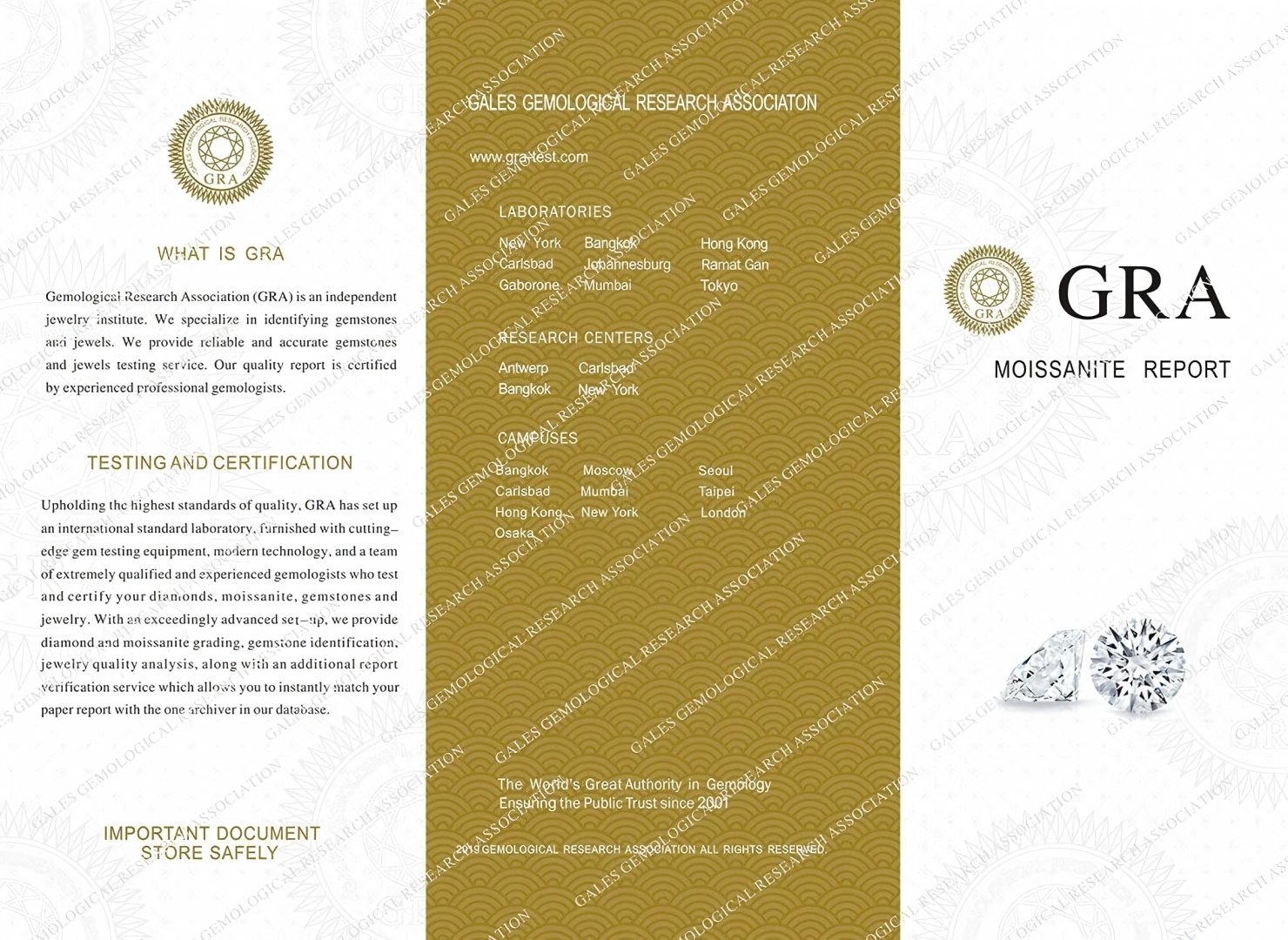
The Role of Comprehensive Gemological Reports
A gemological report is far more than a certificate; it is an in-depth narrative of a gemstone’s identity and quality. These reports invariably include:
Identification to affirm whether a gemstone is natural or synthetic, essential in a market often complicated by lab-grown alternatives;
Measurements and weight detailing the stone’s physical dimensions and carat;
Color and clarity grades, crucial in determining visual appeal and rarity;
Treatments disclosure, such as oiling or resin filling, thereby protecting consumers from hidden flaws;
Provenance information, which is increasingly important given the ethical emphasis on sourcing and origin.
Ultimately, these components combined allow buyers to verify the gemstone’s authenticity and make knowledgeable decisions. The depth of such information strengthens gemstone value transparency and is vital for resale and insurance purposes.
Why Certification Consistency Influences Emerald Market Value
Emeralds hold a profound allure, yet their valuation can be complicated without certified standards. Certification acts as a safeguard for both sellers and purchasers. Knowing that an emerald’s authenticity is endorsed by authorities like the Swiss Gemological Institute (SSEF) or Gubelin Gem Lab helps dispel doubts about natural versus treated stones.
Consistent grading standards ensure that emeralds with similar color saturations, clarity, and origins are valued comparably worldwide, preventing market fragmentation. This fosters confidence, enabling emeralds with detailed certifications to fetch higher prices and encourages ethical sourcing, an increasingly pivotal aspect as social responsibility permeates the luxury sector.
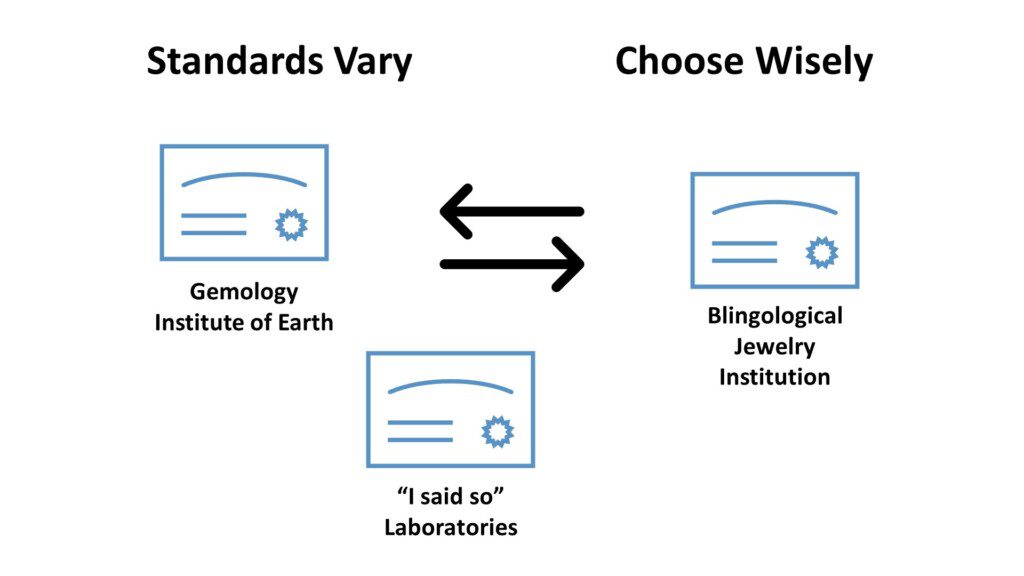
Advancements and Challenges in Maintaining Certification Uniformity
Despite progress, the gemstone industry continues to face challenges such as fraud, inconsistent grading, and emerging synthetic technologies. Innovative digital certification solutions and enhanced laboratory networks like the IGI’s global presence are pivotal in addressing these issues. The IGI, for instance, employs a rigorous 14-step grading process with oversight by respected internal auditors ensuring technical precision and integrity.
Nevertheless, buyers should remain vigilant against deceptive practices highlighted in industry analyses. Consulting trusted resources like those explaining common red flags in gemstone certifications helps consumers navigate pitfalls and make secure investments.