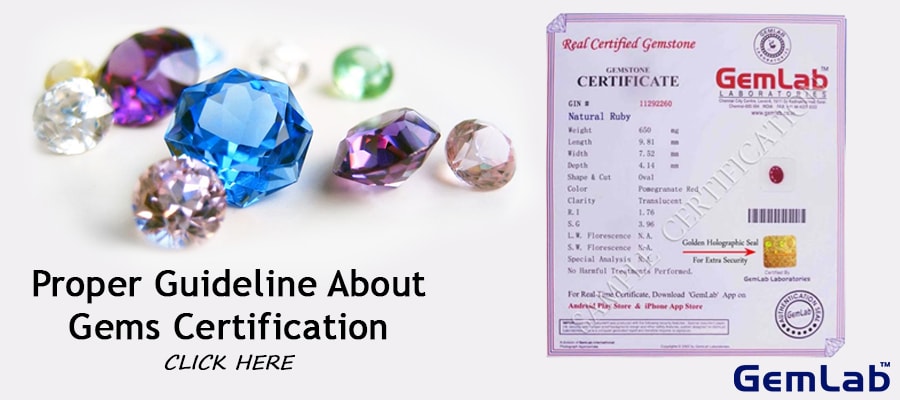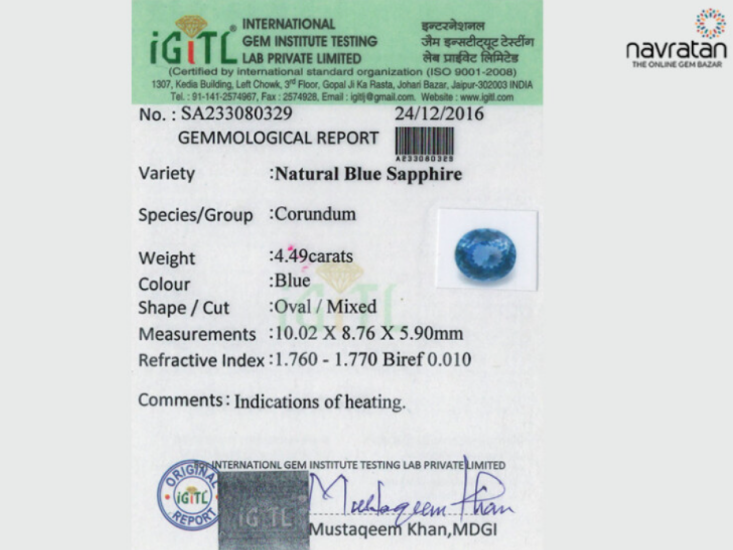
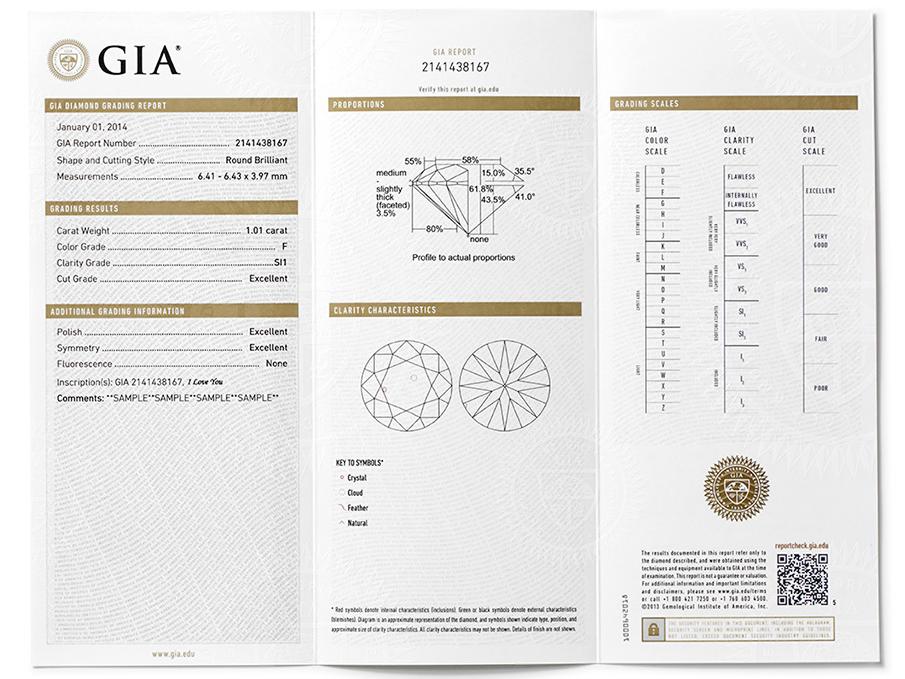
Understanding the subtle yet crucial distinction between gemstone grading and certification is essential for anyone navigating the complex world of fine jewelry. While both processes assess the quality and authenticity of gemstones, they serve different purposes and carry varying degrees of authority. In 2025’s highly advanced gemological market, buyers must recognize that a gemstone’s certification offers an official, trusted validation, whereas grading provides detailed insight into its qualities. As the marketplace becomes increasingly saturated with synthetic and treated stones, knowledge of these differences not only protects consumer investments but also ensures confidence in the value and authenticity of their precious purchases.
In brief:
- Certification is an independent verification of a gemstone’s authenticity and quality by a reputable gemological lab, serving as a definitive guarantee.
- Grading refers to the detailed analysis of a gemstone’s characteristics, such as color, clarity, cut, and carat weight, which influences its value and appeal.
- Labs like GIA and AGS set the industry standard for stringent and consistent evaluations, while others like IGI and EGL have more variable reputations.
- Certification helps identify treatments and synthetic stones, acting as a safeguard against deceptive practices in jewelry sales.
- Consumers should avoid confusing certification with appraisals, as only certifications come from unbiased third-party laboratories.
Decoding gemological grading and certification: What you really should know
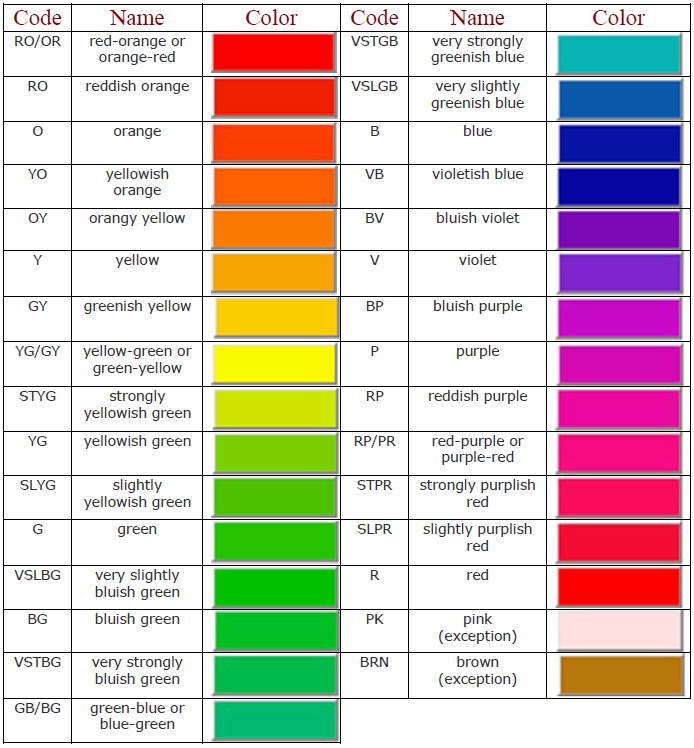
The world of precious gemstones is complex, with grading and certification at its core. While grading provides a scientific examination of a gemstone’s individual features—color, clarity, cut, and carat weight—certification goes beyond by officially endorsing these assessments through trusted laboratories. This endorsement is crucial because not all grading systems are equally reliable. For example, the Gemological Institute of America (GIA) and the American Gemological Society (AGS) are renowned for their stringent standards and consistency. Their certificates confirm a gemstone’s authenticity and provide assurance against treatments, enhancements, or synthetic imitations. Without such certification, consumers risk purchasing gems with inflated grades or undisclosed treatments that diminish value.
The role of top gemological laboratories in gemstone certification
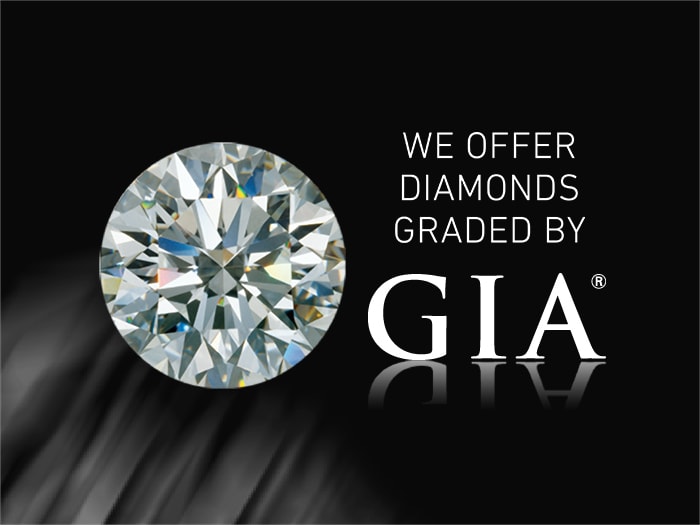
Globally, the landscape of gemological labs includes well-respected institutions and others whose reports are less reliable. For instance, GIA is widely regarded as the gold standard with a global reputation for its impartial grading methods. Its certification is often a prerequisite for serious investors and collectors. AGS applies a unique numerical grading system, especially renowned for its advanced approach to assessing cut quality, facilitating a more precise understanding of a gemstone’s brilliance.
Conversely, some labs such as EGL and IGI are more prevalent in Europe and Asia but have faced criticism for inconsistent grading and potential overestimations, which can mislead buyers. This disparity underlines why consumers are urged to familiarize themselves with the lab issuing a certificate. Researching through reliable sources like Gem Certify’s guide on reliable gemstone labs can help purchasers make informed decisions and avoid common pitfalls.
Why certification matters more than just grading alone
Certification does not simply reflect grading outcomes; it acts as a vital validation mechanism that safeguards consumers from fraud. A certified gemstone undergoes advanced scientific tests to detect any artificial treatments altering color or clarity. This means certification provides proof against misrepresentation — a crucial factor in today’s market where synthetic gems are increasingly sophisticated. Moreover, a certificate from a respected lab assures collectors and insurers of a gemstone’s verified value, facilitating trust in transactional and heritage contexts alike.
Common misconceptions: Certification vs. appraisals
An often misunderstood aspect in the jewelry business is the difference between certification and appraisal. While certification is generated by impartial gemological laboratories like Gubelin or Gemological Science International that measure quality via scientific standards, appraisals reflect a monetary valuation influenced by the appraiser’s interpretation and the market conditions. Appraisals serve primarily for insurance purposes rather than tangible proof of authenticity or quality. Therefore, relying solely on appraisals without certification can expose buyers to significant risks including overpaying or acquiring inaccurately described gemstones. Consumers can find detailed discussions on this topic on platforms such as Gem Certify’s resource on spotting fake certificates.
Understanding the impact on market value and consumer confidence
Certified gemstones consistently command higher trust and often better pricing due to the transparency of their quality attributes. Jewelers Mutual highlights how certified gemstones protect both buyers and sellers, reducing disputes and facilitating smoother resale or insurance claims. In contrast, uncertified stones, albeit cheaper initially, may carry hidden flaws or undisclosed treatments that greatly diminish long-term value. Hence, informed consumers should prioritize certification from entities like HRD Antwerp or SGL, reinforcing their investment in quality and authenticity.
Mastering the art of picking certified gemstones with brilliance
Certification equips buyers with factual insights, but selecting a gemstone also demands a qualitative eye for brilliance and craftsmanship. Vendors specializing in superb cuts and high optical performance, supported by reputable labs, help consumers find stones that maximize sparkle. For example, selecting from specialists like those recommended by Gem Certify’s gemstone certification and jewelry guide ensures your choice blends verified quality with aesthetic excellence. This dual approach avoids the pitfall of relying solely on scores without considering visual impact vital for a gem’s allure.