In the intricate world of gemology, inclusions within gemstones play a critical role, not just scientifically but commercially as well. These naturally occurring characteristics can tell a story about the gem’s origin, its treatment history, and its authenticity. As the gemstone market continues to expand and evolve in 2025, understanding how inclusions are identified and presented in certificates has never been more essential for buyers, sellers, and collectors alike.
Inclusions, often considered imperfections, are actually key indicators that help gemologists and certification laboratories such as GIA, IGI, and HRD Antwerp assess the quality and origin of gemstones. The way these details are documented on certificates can significantly impact the valuation and trustworthiness of a gemstone. Moreover, as consumers become more discerning, the demand for transparency around inclusions and authenticity has surged, encouraging the use of advanced technologies by institutions like AGS Laboratories and Sarine to provide comprehensive and reliable gemstone reports.
How Inclusions Define the Value and Authenticity of Gemstones in 2025
The presence of inclusions remains a double-edged sword in the gemstone industry. While they often lower the grade or clarity of a stone, they provide invaluable information regarding the gem’s natural formation process. Inclusions distinguish natural gems from synthetic or treated stones, making certification from reputable labs such as GIA, IGI, and AGS crucial for verifying gemstone authenticity.
For example, rubies, sapphires, and emeralds exhibit characteristic inclusion patterns that are meticulously documented in certification reports. This documentation provides buyers with a transparent view of the gem’s biological map, ensuring confidence in the gemstone’s origin and treatment status. Such detailed reporting, often enhanced by organizations like De Beers and Sarine, also supports ethical sourcing, which is a major concern for consumers worldwide.
The Presentation of Inclusions in Gemstone Certificates
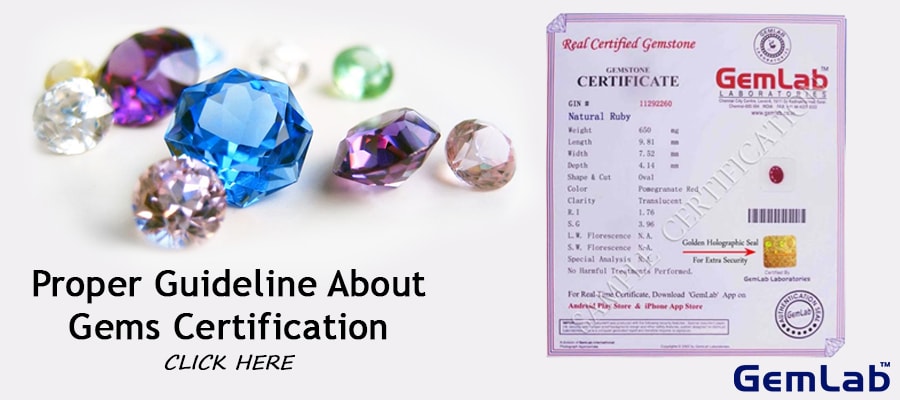
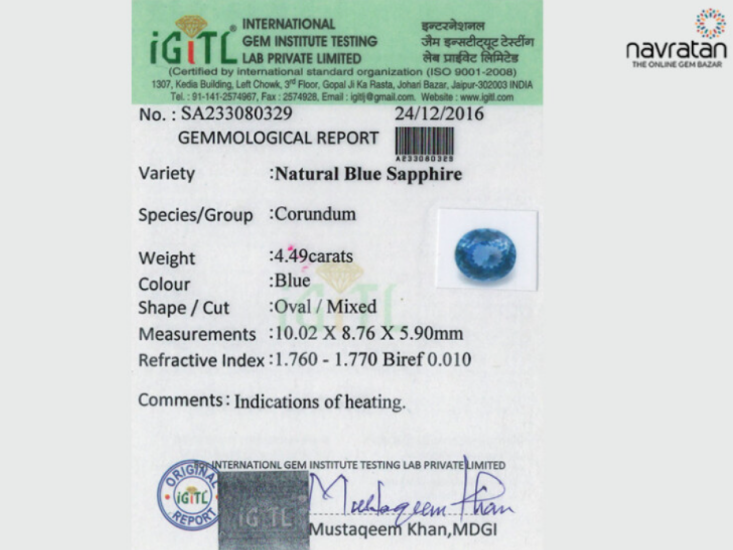
Modern gemstone certificates go beyond simple notation of inclusion presence; they adopt standardized grading scales and detailed descriptions to clearly communicate the type, size, number, and location of inclusions. This transparent approach aids in investment decisions and ensures stones meet expected quality parameters. Certificates from prominent labs provide not only a verbal and diagrammatic inclusion map but also utilize high-resolution imaging to supplement descriptions.
By ensuring that inclusions are reported consistently and accurately, laboratories such as HRD Antwerp and Gemological Science International help create a common language in the industry. Furthermore, a gemstone’s certification extends beyond clarity to include color grading and possible treatments, offering a holistic review that impacts the stone’s value on the global market as indicated by price guides like Rapaport.
Technological Innovations Enhancing Inclusion Detection and Reporting
The gemstone sector’s reliance on technological innovation continues to push boundaries as labs integrate tools for enhanced detection and evaluation of inclusions. In 2025, advancements from companies such as Sarine and AGS Laboratories facilitate deeper insights through 3D mapping, laser scanning, and AI-based inclusion analysis, creating more accurate certificates that reflect true gemstone quality.
These technologies empower gemologists not only to identify minute inclusions but also to predict how these internal features may affect a gemstone’s durability and overall appeal. This technology-driven approach harmonizes with increased consumer demand for certified stones with verifiable origin and quality, further promoted by pioneers like De Beers’ origin certification programs.

The Value of Certification in the Collector and Investor Market
For collectors and investors, inclusion documentation is indispensable. Certified gems featuring detailed inclusion analysis enable informed purchasing decisions, helping avoid overpaying for stones with hidden vulnerabilities or treatments. As the market for luxury gemstones becomes more sophisticated, certification bodies not only affirm authenticity but also contribute to market stability by enhancing transparency.
Collectors particularly value certificates that provide assurances confirmed by laboratories such as Gemological Science International and verification guides, which endorse the integrity of gemstone origin and treatment disclosures. Such certifications can significantly affect resale values and long-term satisfaction in gemstone investment.
Addressing Common Myths and Misunderstandings about Inclusions and Certification
Despite growing awareness, misconceptions about inclusions and their significance in gemstone certification persist. Some buyers wrongly assume that all inclusions must be flaws warranting a lower price, overlooking their role as natural fingerprints that authenticate the gem. Others are unfamiliar with the variations in certification standards among different laboratories, leading to confusion over report credibility.
Educational resources like those available on gem-certify.com are instrumental in demystifying these aspects, providing clarity on how inclusions impact durability, appearance, and market value. Recognizing that inclusions can enhance a gemstone’s story and confirming authenticity through certificates from GIA or IGI enables buyers to navigate this nuanced landscape with confidence.