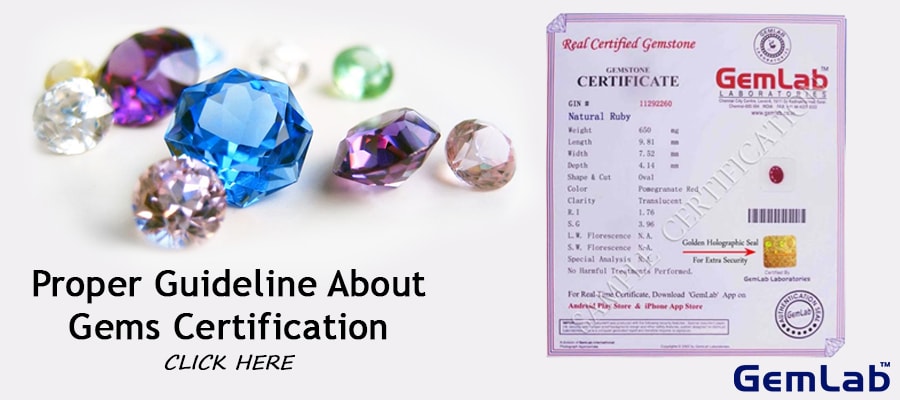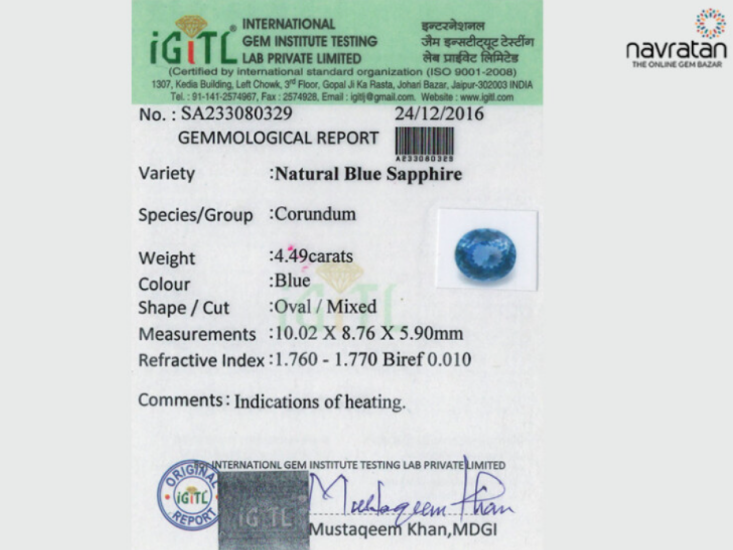
In the intricate world of gemstones, understanding the details listed on a gemstone certificate can mean the difference between a wise investment and a costly mistake. Certification reports issued by gemological laboratories like GIA, IGI, or GRS (GemResearch Swisslab) provide transparent insights into a stone’s authenticity and characteristics but also detail any enhancements applied. These enhancements can dramatically influence a gemstone’s value and appeal, making it essential for buyers and sellers alike to decode certification terminology and treatment disclosures accurately.
Gemstone certificates serve as a comprehensive and scientifically-backed evaluation that includes the stone’s origin, weight, measurements, and, importantly, any treatments it has undergone. By 2025, an increasing number of consumers are demanding such reports, fostering a market where transparency is prized, and trust is paramount. These certificates not only confirm a gemstone’s natural status but often reveal enhancements ranging from traditional heat treatments to more complex processes like diffusion or irradiation, each with distinct implications for durability and worth.
Decoding Gemstone Enhancement Codes on Certification Reports
When reading a gemstone certificate, you will encounter specific abbreviations indicating the treatments a gemstone has undergone. These codes are standardized across many laboratories, including institutions such as AGS, EGL, and SGL, each respected for rigorous grading standards.
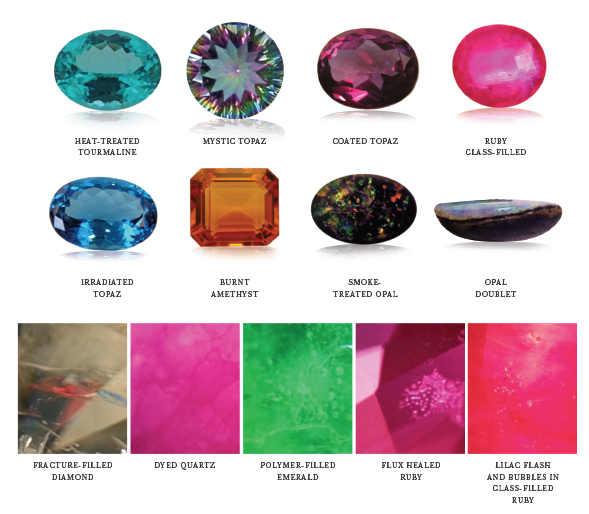
Common abbreviations include N for natural, untreated stones, highly coveted for their rarity and commanding the highest market prices. E signifies widely accepted enhancements like heat treatment commonly applied to sapphires and rubies to enhance color and clarity. More specialized codes such as I indicate non-traditional enhancements like lead glass filling in rubies, which significantly alters the stone’s durability and resale value.
Understanding these distinctions is crucial. A ruby treated with flux or treated by irradiation (G for gamma or R for neutron bombardment) may simulate a flawless appearance but requires careful consideration of longevity and authenticity. Similarly, treatments such as coating (C) or wax application (W) improve aesthetics but typically reduce the stone’s permanence and intrinsic value.

Why Transparency in Enhancement Disclosure Matters
The disclosure of gemstone treatments on certification reports is not just a formality—it’s a guardrail against misinformation. For example, GRS firmly categorizes certain enhancements like heat treatment as permanent, as they materially alter the stone’s internal structure. Conversely, surface-level enhancements such as coating may wear away over time, impacting buyer expectations and stone maintenance.
Issues arise when sellers provide certificates from less reputable sources that omit or obscure enhancement details, a pitfall highlighted in discussions of red flags in gemstone certification. It is advisable to seek certifications from acknowledged entities like Gübelin Gem Lab or AIGS that maintain stringent disclosure protocols to uphold trustworthiness in the market.
How Enhancements Influence Gemstone Value and Buyer Decisions
Enhancements listed on certification reports can substantially affect a gemstone’s worth. Natural, untreated stones bear a premium due to their rarity. However, enhancements like heat treatment (H) or oiling (O) are often accepted within industry standards and can increase a gemstone’s visual appeal without overly compromising value.
More intense modifications, such as fracture filling with lead glass (I), raise concerns about long-term durability and market price because these treatments can be less stable. Buyers relying on certificates must interpret these codes carefully to avoid overpaying for stones with significant, undisclosed alterations. For resellers, understanding these nuances can aid in setting fair prices and enhancing transaction transparency, a vital aspect discussed in detail in the gemstone resale certification guidelines.
Evaluating Enhancement Impact Through Advanced Testing
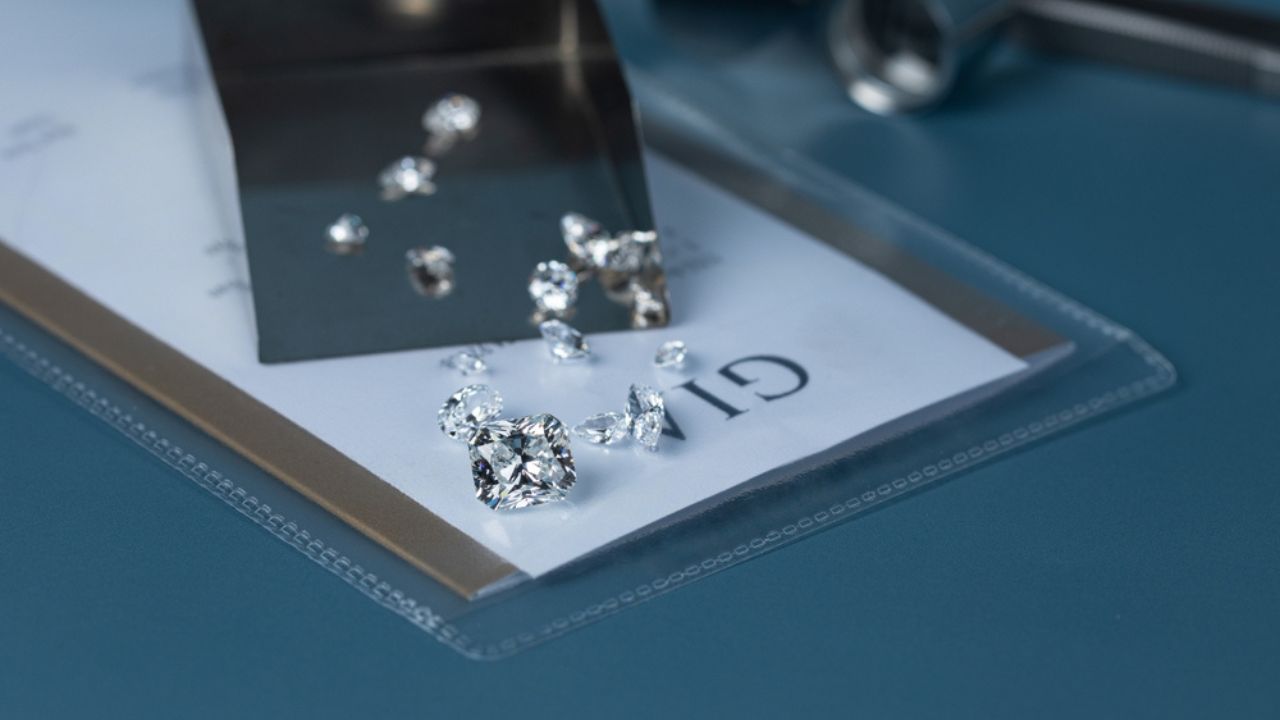
Laboratories use advanced equipment, such as spectrometers and microscopes, to detect subtle enhancements invisible to the naked eye. This detailed scrutiny, performed by certified graders, reveals optical phenomena and inclusions that dictate the gemstone’s provenance and treatment history. Reliable labs, including HRD Antwerp and NGTC, emphasize such techniques to uphold high certification standards.
Buyers are therefore encouraged to educate themselves on treatment indications provided in certificates and consult resources like the advanced testing in gemstone certification overview to gauge the stone’s true worth.
Choosing the Right Certification for Your Gemstone Investment
Selecting the appropriate certification organization impacts the credibility and utility of the report. Prestigious labs such as GIA and IGI offer globally recognized certifications that enhance buyer confidence through consistent and transparent reporting.
It is advisable to compare certification reports and understand their grading cutoffs and enhancement disclosures before making purchasing decisions. Resources like gemstone certifications GIA, IGI, AGS comparison provide detailed insights to navigate these choices effectively. In addition, the costs associated with obtaining thorough reports should be factored into the buying process, as explored in the analysis of certification pricing.