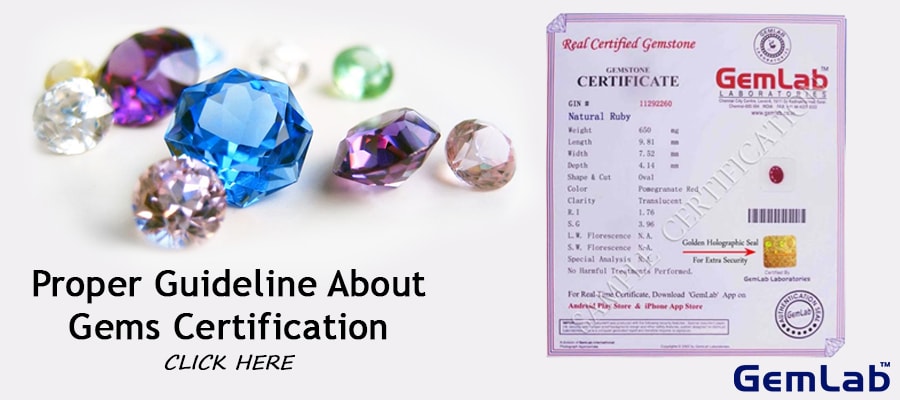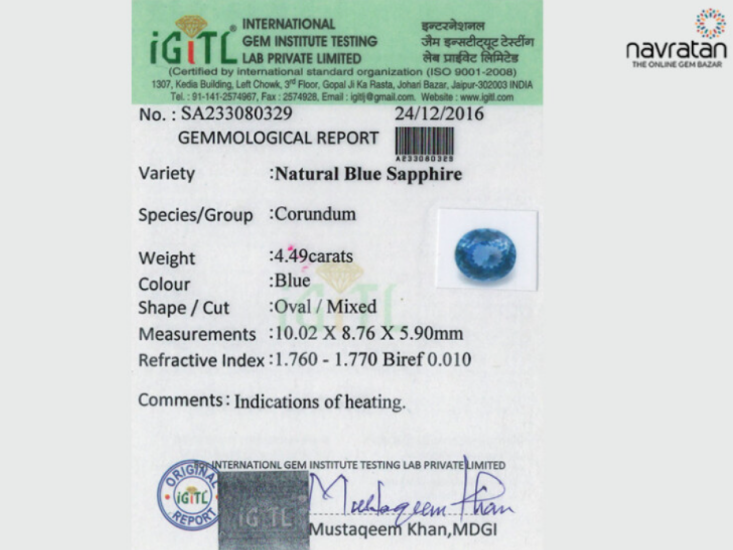
Acquiring certified gemstones in 2025 is more than a purchase; it’s an entry into a discerning world where knowledge safeguards your investment. As gemstone markets evolve with advancements in treatments and global sourcing, buyers must exercise vigilance. Certified stones serve as a beacon of transparency amid a sea of options, each with unique qualities and provenance. However, securing authenticity requires more than a simple certificate; it demands asking the right questions to trusted merchants and understanding the nuances behind grading reports and treatment disclosures. Informed inquiry not only protects against counterfeit and misrepresented gems but also enhances your appreciation of these natural marvels, helping you build a collection that resonates with both beauty and integrity.
In brief:
– Prioritize certification by recognized labs like GIA, IGI, or AGS to ensure authenticity.
– Verify seller transparency about treatments and enhancements to avoid surprises.
– Understand the gemstone’s origin and quality characteristics beyond carat weight.
– Utilize lab report verification systems and professional appraisals to confirm value.
– Choose reputable dealers with proven expertise to navigate complex market offerings.
Essential Questions to Gauge Gemstone Authenticity and Certification
When stepping into the realm of certified gemstones, the initial interaction with your dealer underscores the quality of your purchase. Critical inquiries should delve beyond the decorative appeal into factual authenticity and comprehensive certification. Asking whether the gemstone has undergone treatments or enhancements offers crucial insights; treatments can significantly influence both appearance and value. Trustworthy retailers will openly disclose such modifications, as this transparency reflects their expertise and ethical standards. Furthermore, confirmation that the certification originates from prestigious laboratories such as the Gemological Institute of America (GIA), International Gemological Institute (IGI), or the American Gem Society (AGS) reassures buyers of rigorous evaluation. These organizations maintain stringent standards that report detailed information, including color, clarity, cut, and origin, which are essential for verifying gemstone legitimacy.
How to Verify Your Gemstone’s Certificate and Seller Credibility
Merely possessing a certificate isn’t sufficient. The sophistication of gemstone certification requires buyers to engage actively with documentation. Questions about the specific laboratory that issued the certificate and verification options are indispensable. Utilizing online verification tools, such as those available for the Nine Gems Lab Report, empowers buyers to confirm that their stone matches the lab’s archived data. This process reduces risks of counterfeit or altered reports, fostering confidence in the transaction. Moreover, evaluating the seller’s knowledge is paramount. Expertise in gemstones, notably from merchants aligned with reputable platforms like Blue Nile, James Allen, or Tiffany & Co., often correlates with greater transparency and customer service.
Understanding Treatments and Enhancements for Certified Gemstones
Questions about treatments and enhancements are vital because such processes can enhance the gem’s appearance but might also affect durability and value. Sellers should clarify whether enhancements like heat treatment, irradiation, or fracture filling have been applied. Unlike untreated natural stones that might command premium prices, treated stones require accurate documentation to maintain market trust. An in-depth consultation about these factors also reveals whether the dealer remains updated on the latest advances, a crucial sign of credibility. Engaging with sellers who acknowledge and provide certification that details all enhancements, possibly verified by labs such as HRD Antwerp or SGL (Solitaire Gemmological Laboratories), ensures your purchase aligns with ethical standards and lasts over time.
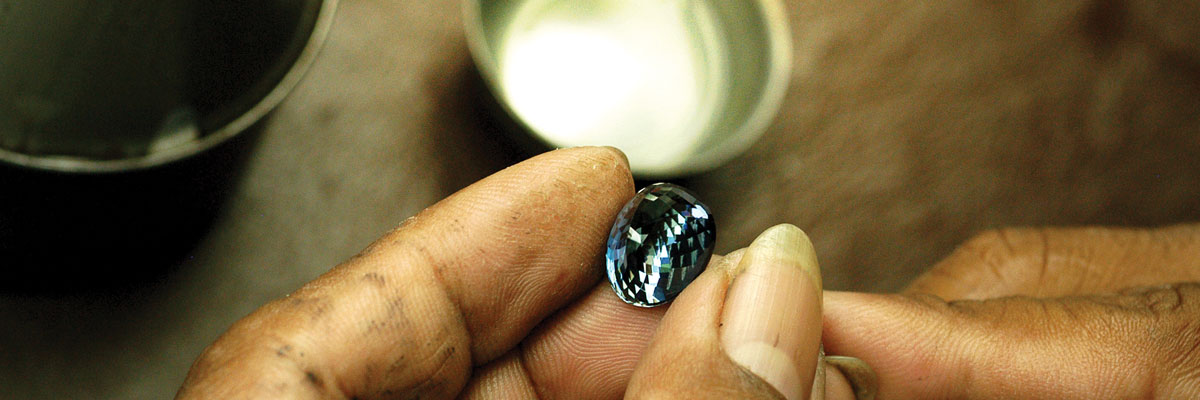
Ensuring Secure Transactions and Product Integrity in Online Gemstone Purchases
As online purchases continue to dominate the gemstone sector, confirming authenticity through collected questions is critical. Buyers must inquire if the photo reflects the exact gemstone shipped or if it serves as a sample image. Authentic merchants will guarantee that the specific stone ordered, identifiable by unique product reference numbers and lab reports, is dispatched to the buyer without substitution. Additionally, understand the seller’s shipping policies, insurance measures like those offered by Jewelers Mutual, and return or buy-back policies. These protocols protect investments, especially for high-value stones, and indicate professionalism in handling customer satisfaction post-sale.
Why Expert Appraisals Complement Certification in Maximizing Value
Beyond certificates, investing in professional appraisals adds a layer of security by providing a market-value assessment often needed for insurance or resale purposes. This step helps buyers avoid overpaying and ensures the gemstone’s grade matches lab reports. Appraisers affiliated with recognized institutions leverage international pricing guides such as Rapaport to present accurate valuations. This diligence can distinguish between a mere decorative purchase and a responsible investment in a gemological treasure. Establishing relationships with sellers who facilitate or recommend certified appraisers attests to their commitment to transparency and customer care.