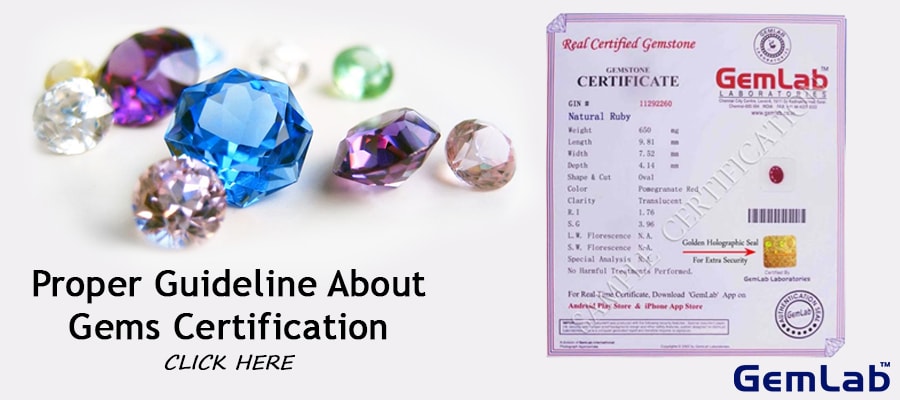
In the intricate world of gemstones, accuracy and trustworthiness are priceless. Choosing a gemstone appraiser and certification service demands more than a casual search; it requires a meticulous understanding of the credentials and methodologies that distinguish genuine expertise from superficial assessments. As gemstone markets face challenges including synthetic stones and uncertain provenance, the value of reliable appraisal has never been higher. The Gemological Institute of America (GIA), American Gem Society (AGS), and similar organizations set rigorous standards that reputable appraisers should meet. Navigating these credentials wisely can protect your investment and ensure transparency in transactions involving precious gems.
In brief:
– Selecting a gemstone appraiser involves verifying credentials such as those from the Gemological Institute of America (GIA) and American Gem Society (AGS).
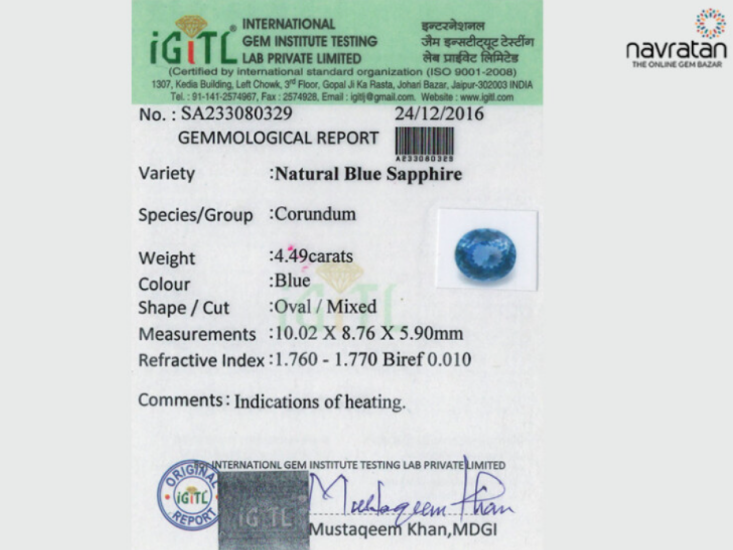
– Certification reports should detail grading, origin, and authenticity, and are crucial for insurance and resale.
– Trusted appraisal services often associate with organizations like the International Gemological Institute (IGI) and the Gem Certification & Assurance Lab (GCAL).
– Local availability of certified appraisers can be investigated through groups such as the National Association of Jewelry Appraisers (NAJA) or Jewelers of America.
– Advances in technologies like those from Sarine Technologies and verifications by HRD Antwerp improve appraisal accuracy, making modern certification services a necessity.
How to Identify a Reliable Gemstone Appraiser and Certification Partner
Choosing the right gemstone appraiser starts with understanding the credentials that signify professionalism. Reputable appraisers typically hold certifications from prestigious institutions, including the Gemological Institute of America (GIA) and American Gem Society (AGS). These certifications are not mere titles; they reflect extensive training, ethical standards, and a commitment to accuracy. For instance, a GIA-certified appraiser is widely respected for adherence to strict standards in gem grading and identification.
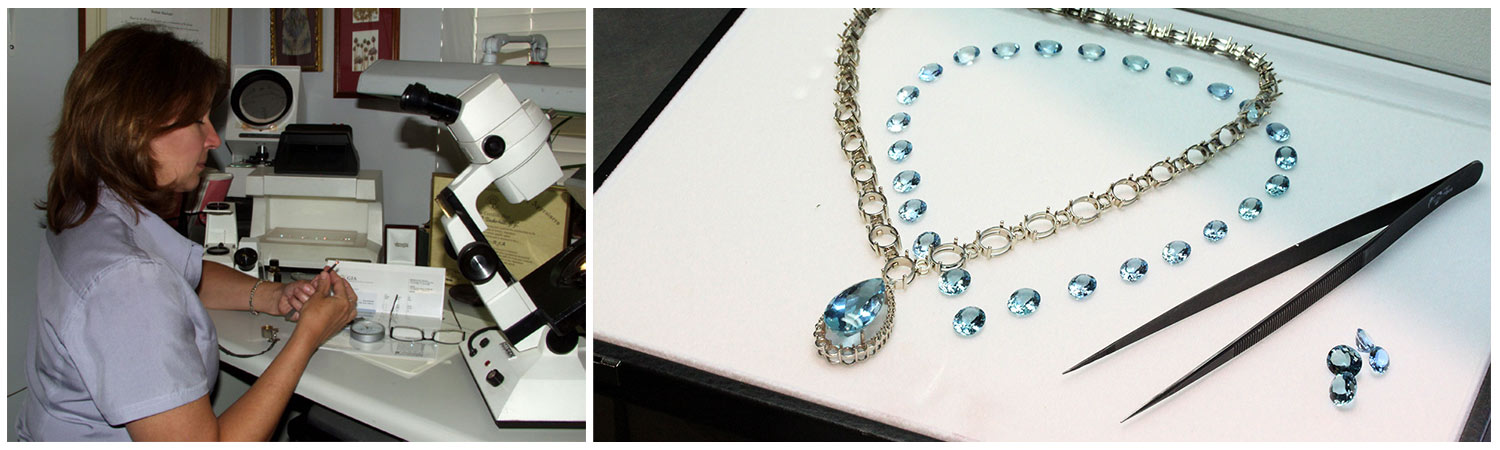
When evaluating potential appraisers, demand transparency about the evaluation techniques and confirmation that their reports cover comprehensive details such as color, clarity, cut, and carat weight. Additionally, consider if the appraiser uses technology endorsed by leaders in the industry, for example, scanners and analysis tools from Sarine Technologies. These high-tech methods bridge the gap between human expertise and consistent objectivity, greatly enhancing reliability.
Understanding Certification Services and Why They Matter
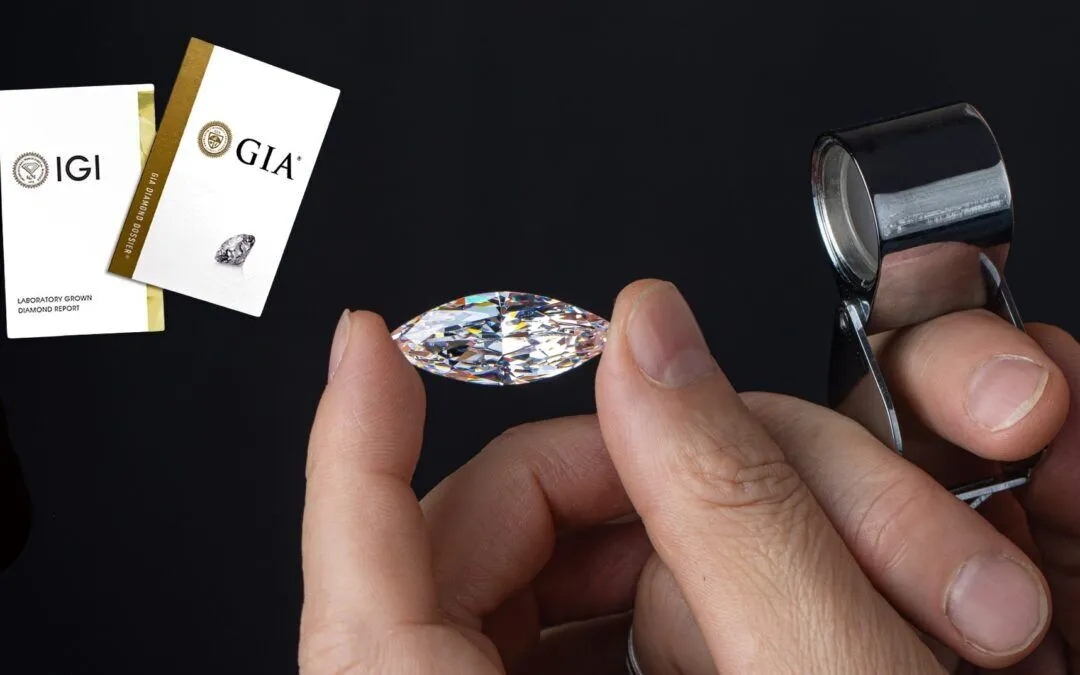
Certification services like International Gemological Institute (IGI) and Gem Certification & Assurance Lab (GCAL) offer detailed reports that not only authenticate your gemstone but also provide an unbiased valuation. These documents are indispensable when insuring your gems or preparing them for resale, as they serve as legal and financial proof of the item’s worth and quality.
However, it is essential to appreciate the differences in certification approaches. Not all certificates are created equal; some may lack the stringent evaluation rigor of others. The pros and cons of various certification labs help collectors discern which labs offer consistent and credible documentation. For example, labs like the European Gemological Laboratory (EGL) also provide certification but with their own grading scales that may differ slightly from GIA’s. Understanding these nuances enables you to choose the certification service that best aligns with your needs for transparency and accuracy.
Where to Find Accredited Gemstone Appraisers Near You
Many collectors and buyers underestimate the importance of local expertise when seeking an appraiser. Locally available certified professionals affiliated with organizations such as the National Association of Jewelry Appraisers (NAJA) or Jewelers of America provide not only credentialed appraisals but also valuable in-person consultations. Their presence in your community can be crucial for comforting high-value transactions.
Searching for a qualified appraiser in your area can be streamlined by consulting directories maintained by recognized bodies like the American Gem Trade Association (AGTA). Moreover, some regions benefit from specialized services accredited by global entities including HRD Antwerp, a leader in diamond grading and certification standards. This connectivity ensures a widening network of trustworthy options wherever you are located.
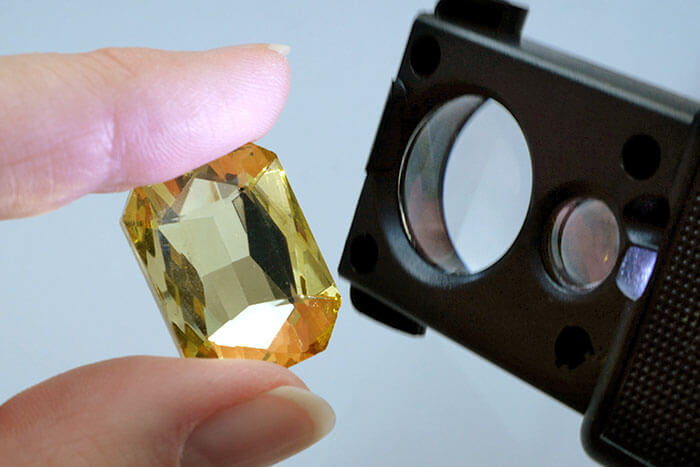
Crafting a Smart Approach to Gemstone Certification Choices
The process of selecting both an appraiser and a certification service should emphasize due diligence. Before committing to an evaluation, verify if the service’s certificate receives recognition within the industry and covers aspects important to you, such as identification of treatments or origin. Cross-referencing with sources like guides for buying gemstones without certificates or articles addressing differences between certified and uncertified gems can significantly enhance your decision-making.
Approach your gemstone’s appraisal as an investment in knowledge and protection. By entrusting this task to a certified appraiser who partners with a credible laboratory, you assure both authenticity and resilience in your gemstone’s financial and sentimental valuation.