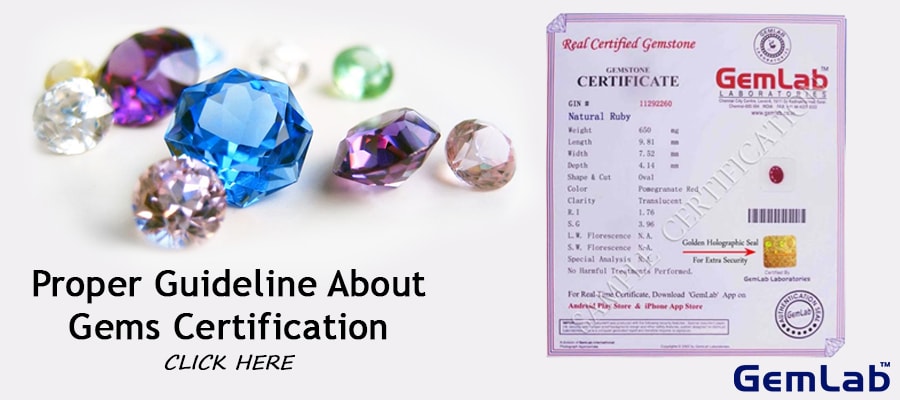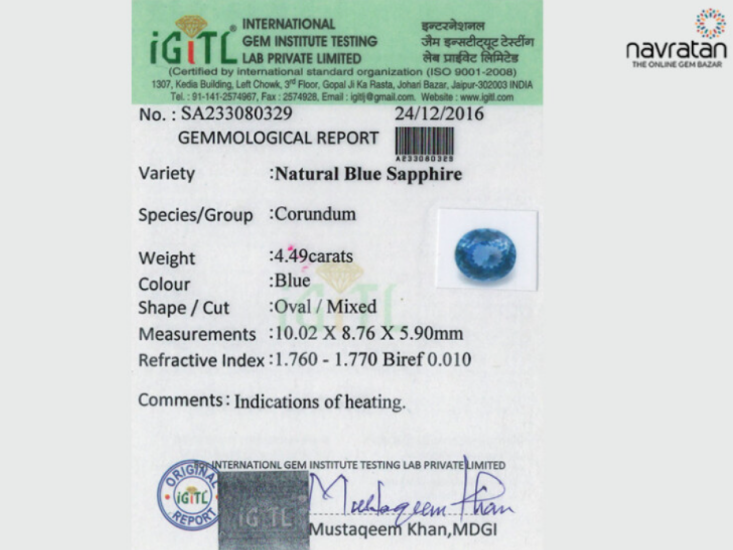

When stepping into the dazzling world of diamonds in 2025, clarity isn’t just about the gems themselves—it’s also about the information backing your purchase. The distinction between certified and uncertified diamonds has never been more crucial, with certified stones offering precise, verified insights into quality and authenticity that uncertified stones simply cannot match. As consumers become increasingly savvy, demanding transparency and accountability, the importance of gemstone certification transcends mere luxury—it’s about trust, value retention, and responsible purchasing. Certified diamonds, authenticated by renowned laboratories such as GIA, AGS, IGI, and HRD Antwerp, provide comprehensive grading reports covering the 4 C’s—carat weight, cut, color, and clarity—allowing buyers to confidently distinguish true quality from marketing embellishment. Conversely, uncertified diamonds leave buyers to rely solely on the seller’s word, where grading can be subjective, sometimes manipulated, and inevitably risky. Such uncertainty can lead to overpaying or misrepresenting the gem’s real characteristics, with long-term repercussions for resale and insurance.
Key highlights to grasp before purchasing gems: Certified gemstones come with thorough documentation from established labs like GCAL and EGL USA, ensuring objective evaluation and ethical sourcing; uncertified stones lack this pedigree, often resulting in ambiguous quality claims. Certification enhances a diamond’s liquidity on secondary markets, where entities such as Rapaport reference standardized grading systems. Buyers should also consider periodic appraisals to keep valuations current amid fluctuating market conditions and gemstone treatments. When shopping, platforms like Blue Nile offer a vast inventory of certified stones, coupled with educational resources to empower buyers to spot fake certificates and understand gemstone grading intricacies. In contrast, uncertified stones sold without reliable paperwork tend to create uncertainty that can erode confidence and value.
Certified versus Uncertified Diamonds: Assessing True Value and Trust
At the heart of the gemstone market lies a pivotal question: should you settle for uncertified diamonds to save upfront costs, or invest in certified gems that promise transparency and peace of mind? The price premium often attached to certified diamonds—typically 20-25% higher than their uncertified counterparts—reflects the rigorous evaluation process by expert gemologists and sophisticated institutions like GIA and IGI. This certificate is more than paper; it’s an independent verification that guards buyers against inflated claims and hidden flaws.
Uncertified diamonds, while sometimes appealing for budget reasons, fall short of offering this reassurance. Sellers may inflate clarity ratings or color grades to boost perceived value. For example, a jeweler might label an I1 clarity diamond as SI2, significantly exaggerating quality and price justification. The industry recognizes the inherent subjectivity in grading, with permissible variances across graders, but independent certification minimizes these discrepancies, offering a standardized baseline. As explained thoroughly in industry insights on certified versus uncertified stones, the uncertified route exposes buyers to potential unknowable risks and undermines long-term investment potential.
Why Independent Certification is the Cornerstone of Confidence
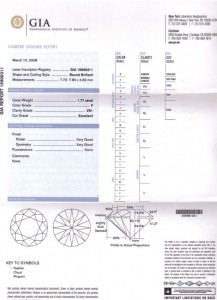
A diamond certificate from leading agencies like GIA, AGS, or GCAL serves as a gemological passport. It details every nuance—carat weight, impeccable cut standards, exact color grade, and microscopic clarity analysis—anchored in universally recognized scales. This transparency ensures that the diamond matches the certificate’s specifications exactly, a guarantee impossible to verify with uncertified stones. For consumers, this means no guesswork and significantly reduced risk of overpaying. Furthermore, laser inscriptions on certified diamonds add another deterrent against tampering or misrepresentation.
Understanding and interpreting gemstone certificates becomes a crucial skill, empowering buyers to scrutinize each characteristic confidently. Tools and advice abound from trusted jewelers and retailers like Tiffany & Co. and Blue Nile, where certified diamonds form the core of their offerings, reflecting commitment to authenticity and quality assurance.
Jewelry Appraisal versus Diamond Certification: Distinct Yet Complementary
While certification authenticates a diamond’s inherent quality by third-party gemological institutions, jewelry appraisal serves a different purpose. An appraisal evaluates the monetary value of a piece, encompassing not just the diamond or gem but also the craftsmanship, type and quality of the metal setting, and current market trends. For insurance, resale, or estate planning, an updated jewelry appraisal is indispensable. However, only certification ensures that the diamond’s quality claims are objectively verified beyond subjective estimates or vendor-provided documents.
Choosing an appraiser accredited by entities like GIA Graduate Gemologist is vital for accurate valuations, as emphasized in industry discussions found at certification and insurance guidelines. This ensures the appraisal stands up to scrutiny from insurers and buyers alike, unlike in-house assessments which may lack impartiality.
Ensuring Authenticity and Confidence in Your Gemstone Investment
As gemstones become popular investment assets in 2025, understanding the difference between certification and appraisal is a cornerstone of informed ownership. Certified stones allow investors and collectors to verify authenticity and quality, critically important for resale or insurance claims. Platforms specializing in trustworthy grading laboratories can guide consumers through deciphering grading reports and recognizing the significance of certifications issued by EGL USA or SGL.
Gemstone authentication guides and reputable lab listings help buyers sidestep counterfeit certificates and the pitfalls of uncertified purchases. Engaging with established vendors like James Allen or Blue Nile supports ethical sourcing and expert guidance, blending convenience with confidence.