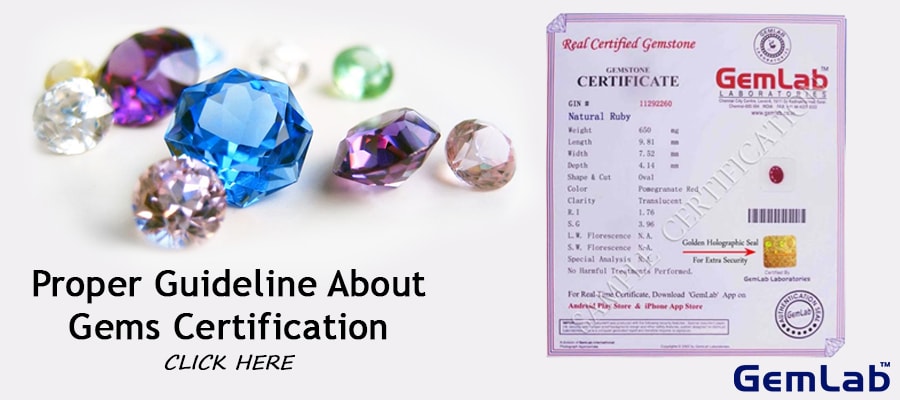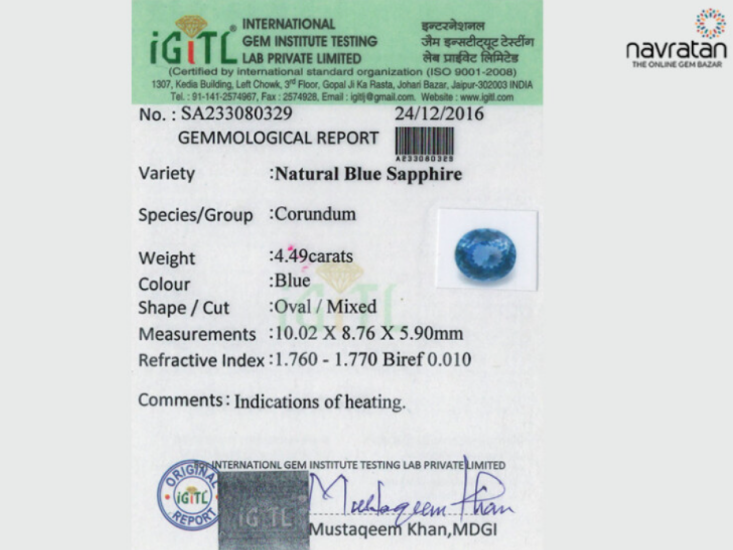
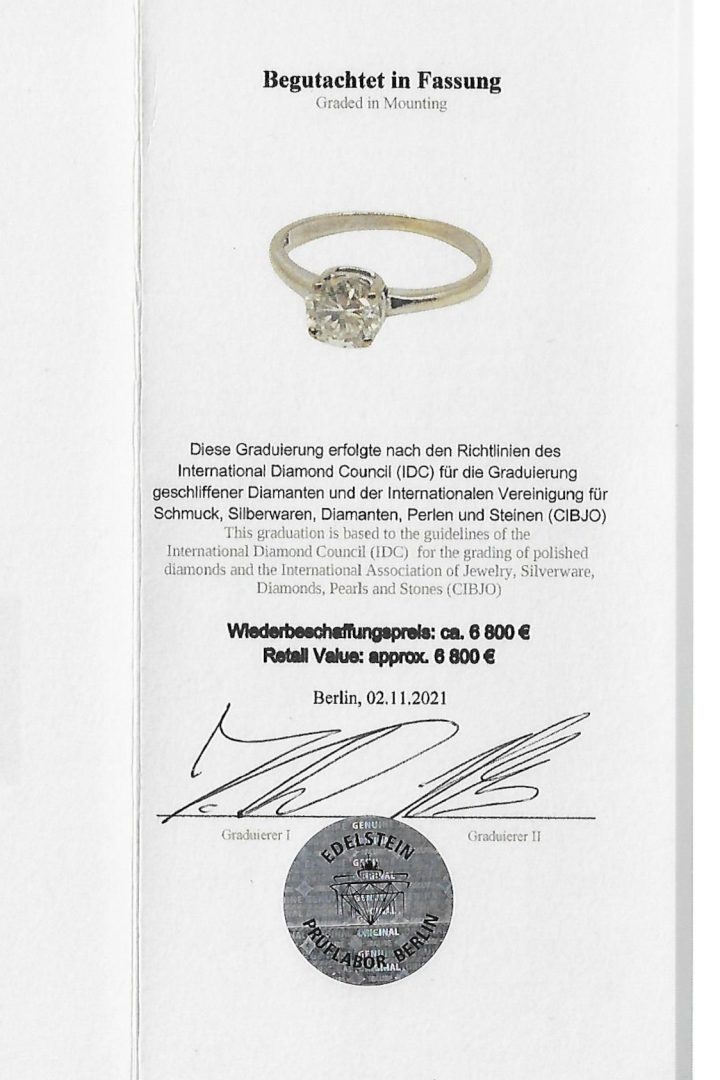
In today’s dynamic secondhand jewelry market, the credibility conferred by gemstone certification has become indispensable. Certified gemstones not only validate quality and authenticity but also profoundly influence pricing, consumer trust, and market liquidity. As the market evolves, both buyers and sellers are increasingly turning toward established authorities like GIA, IGI, and HRD Antwerp to navigate complexities and minimize risks associated with uncertified or potentially fraudulent pieces. The rise of reputable auction houses such as Sotheby’s and Christie’s further illustrates the importance of certification in validating provenance and safeguarding the investment value of rare and high-end pieces. Simultaneously, platforms like Worthy, stDibs, and The RealReal empower consumers with verified certifications, ensuring transparency in a market traditionally plagued by ambiguity.
As we navigate 2025, gemstone certification is no longer a mere formality but a critical determinant of an item’s market trajectory. The gap between certified and non-certified jewelry continues to widen, driven by growing consumer sophistication and technological advancements in verification methods like blockchain and AI-enhanced grading. This evolution underscores a vital shift: authentic, well-documented gems command premium resale values and foster greater confidence among seasoned collectors and new investors alike. Understanding the nuances of certification standards and the marketplaces that uphold them is now essential for anyone aiming to make informed, financially sound decisions in the secondary jewelry landscape.
How Certified Gemstones Elevate Resale Value in the Secondhand Jewelry Market
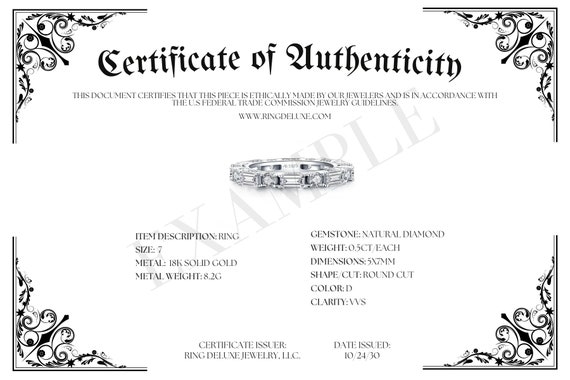
Certification sets a benchmark of trust, transforming jewelry from objects of personal adornment to verified assets with measurable value. In 2025, the influence of certification on resale pricing is more pronounced than ever. Labs such as the GIA, IGI, and HRD Antwerp continue to establish definitive grading criteria—detailing gemstone specifics like color, clarity, cut, and carat—thereby reducing ambiguity in the evaluation process. This transparency mitigates the risk for buyers and empowers sellers to command higher prices in the secondary market.
Gemstone certification ensures the accuracy of material authenticity, which is pivotal for valuation. Certified stones, especially rare ones such as rubies, sapphires, and emeralds, typically outperform uncertified counterparts in auctions and private sales. Auction giants like Sotheby’s and Christie’s incorporate certification data extensively in their catalogs, signaling to buyers a guarantee of genuineness and quality that underpins premium bidding prices.
Certification as a Shield Against Market Volatility and Fraud
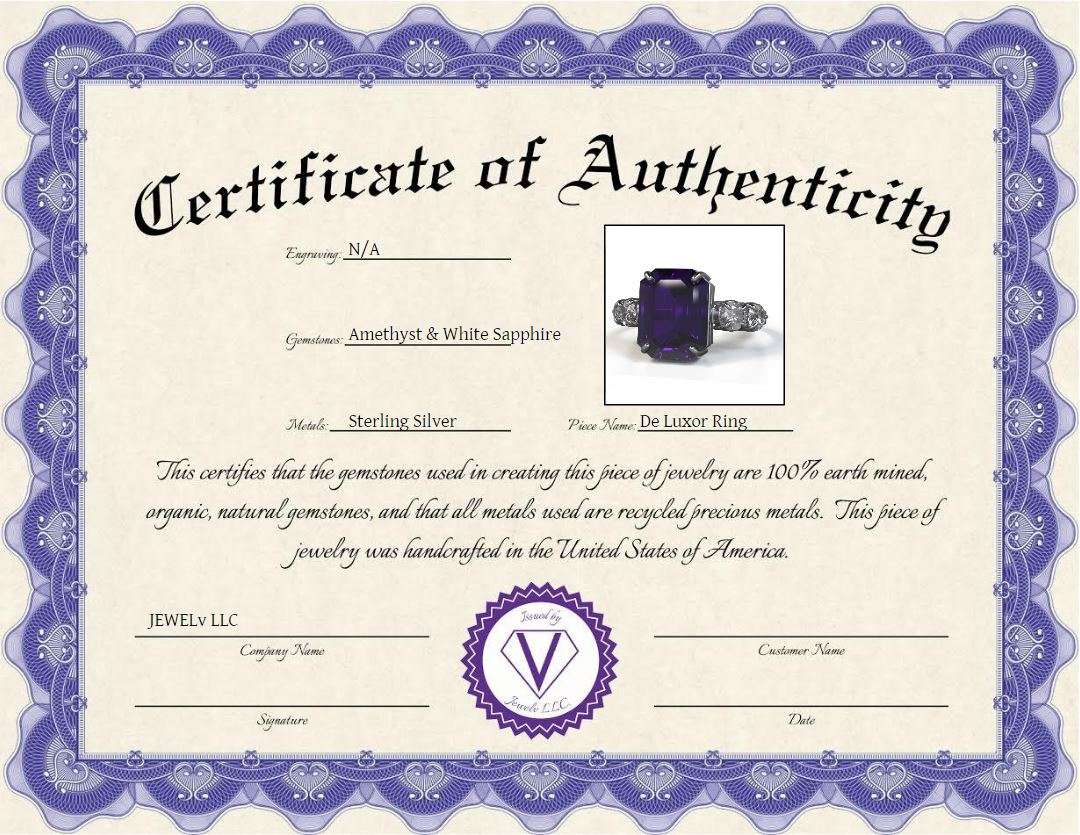
The secondhand jewelry market faces ongoing challenges from counterfeit certification documents and misrepresented stones. The rise of fraudulent certification undermines consumer confidence and can depress market values broadly. By relying on trusted certification bodies such as GIA and IGI, stakeholders are better equipped to detect forged reports and avoid deception.
Technological advances, notably blockchain for immutable provenance tracking and AI-based grading for objective analysis, have begun revolutionizing certification practices. These innovations — highlighted at industry forums sponsored by Gemfields and integrated within appraisal services like those offered through Worthy — promise to enhance verification rigor significantly, curtailing counterfeit activity and bolstering trust throughout resale transactions.
Consumer Expectations and the Imperative of Transparency in Jewelry Certification
The informed buyer of 2025 demands comprehensive disclosure. Consumers are no longer passive recipients but active participants in the authentication process, relying heavily on certificates issued by the likes of GIA and HRD Antwerp to validate claims of origin and ethical sourcing.
Transparency is imperative not only for valuation but also for ethical procurement. Authorities are increasingly assigning importance to provenance certification, acknowledging consumer advocacy for sustainable and conflict-free gemstones. Platforms such as The RealReal and stDibs facilitate this by promoting certified gemstones with clear origin documentation, aligning with consumer desires for responsibility alongside luxury.

Marketplaces and Certification: Building Consumer Trust for a Sustainable Future
Online marketplaces stDibs and Worthy have set a precedent by incorporating strict certification requirements, helping to shape buyer expectations and improve market credibility. Their models incentivize sellers to furnish high-quality certification paired with transparent information on gemstone grading and provenance.
Such standards contribute to sustained demand and price premiums, which in turn stimulate the secondary market’s growth. The interplay between certification agencies and reputable sale channels like Sotheby’s is a testament to the growing synergy aimed at preserving jewelry’s timeless allure and investment stability.
Overcoming Challenges in Gemstone Certification to Strengthen the Secondhand Jewelry Market
Despite advancements, challenges persist in the certification landscape, particularly regarding the detection of fraudulent certificates and harmonization of grading standards across agencies. While industry leaders have made significant strides, discrepancies still exist in reporting terminologies and grading nuances among institutions such as GIA, IGI, and HRD Antwerp.
Continued education for gemologists and consumers alike plays a pivotal role in bridging these gaps. For instance, resources accessible via gemstone appraisal guides assist buyers in selecting reputable certifiers and interpreting complex grading reports, all while mitigating risks associated with uncertified pieces.
Looking Ahead: Certification Standards and Market Evolution
Emerging certification trends are shaping the market trajectory, emphasizing environmental sustainability and ethical sourcing as integral components of authenticity. Increasingly, certifications include these aspects in their reports, paralleling consumer demand for responsible luxury.
Integration of cutting-edge technologies such as AI grading and blockchain provenance tracking heralds a new era in certification, one that promises enhanced accuracy and consumer confidence. Stakeholders who adapt to these standards stand to thrive, while the secondhand jewelry market moves toward greater transparency, value stability, and ethical compliance.