Stepping into the dazzling world of certified gemstones for the first time can feel like navigating a labyrinth filled with dazzling sparkle and complex jargon. This journey, whether embarked upon for gifting, investment, or personal fulfillment, demands clear knowledge to avoid costly mistakes. Understanding the intricacies of gemstone types, their certifications, and market nuances equips buyers with the confidence to make informed, long-lasting choices.
In brief, first-time buyers must grasp the distinction between natural, synthetic, and simulated stones; be familiar with the four Cs that define gem quality; inquire carefully about treatments; insist on credible certification; commit to a realistic budget; select reputable sellers; and align purchases with personal intentions and preferences. These fundamental insights will pave the way towards acquiring authentic, valuable gemstones with assurance.
Grasping the Foundation: Natural vs. Synthetic vs. Simulated Gemstones
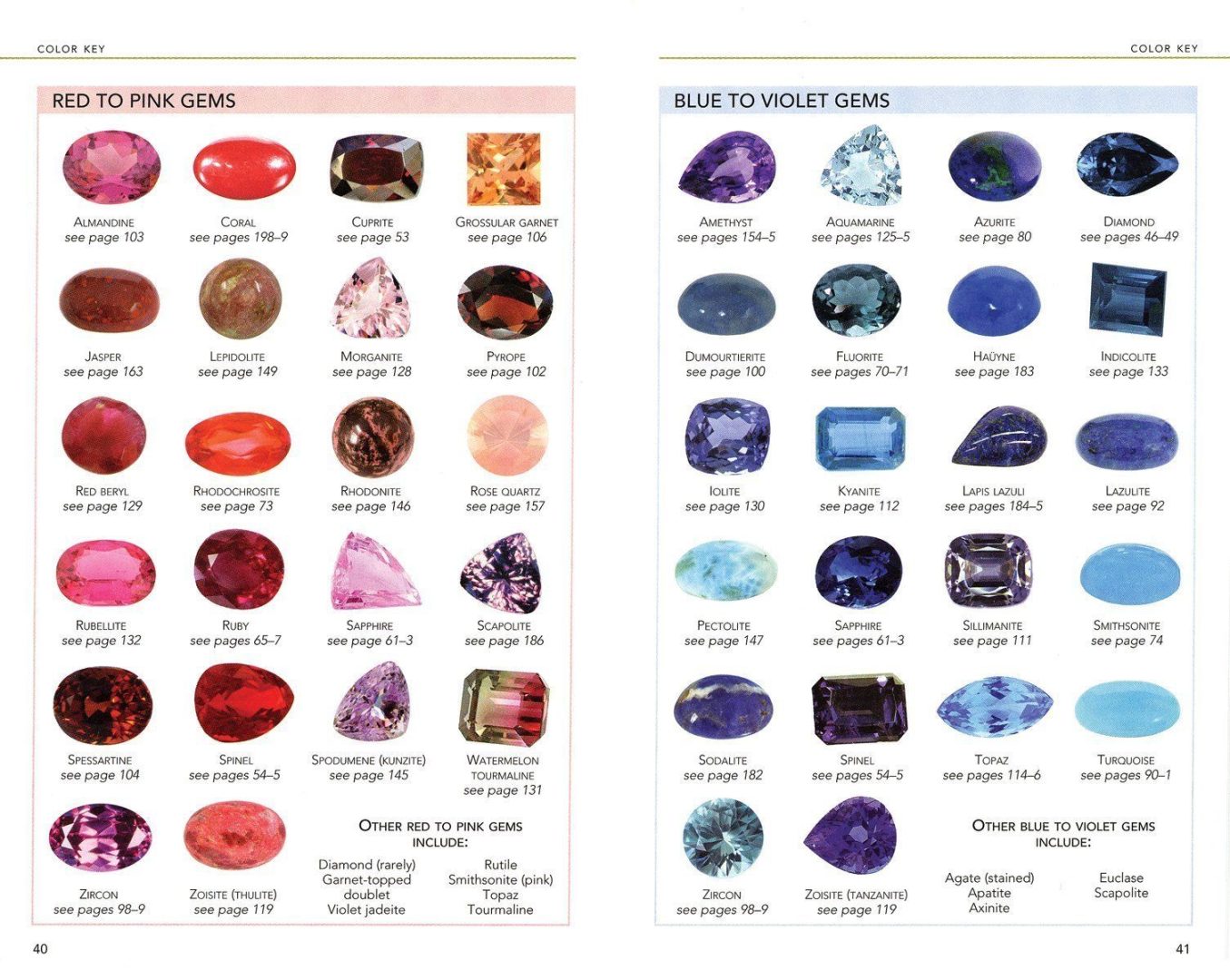
To truly appreciate the value of a gemstone, first-time buyers must understand that not all gems are created equal. Natural gemstones such as diamonds, rubies, emeralds, and blue sapphires, formed organically over millions of years, represent rarity and possess unique imperfections that authenticate their origin. In contrast, synthetic gemstones manufactured in laboratories mirror the natural stones chemically but lack the scarcity factor that commands high value. Simulated gems, including cubic zirconia or spinel, are visually deceptive replicas without the chemical attributes of genuine stones.
This distinction is critical to prevent falling victim to fraud where counterfeit stones are misrepresented as natural. Buyers should always demand thorough provenance explanations and verifiable certification to confirm authenticity. The economic implications are significant: natural gems generally carry high value, synthetics are more affordable, and simulated stones often hold minimal worth. An uninformed buyer risks paying exorbitant prices for worthless imitations, which underlines why knowledge is the best protection in the gemstone market.
Evaluating Quality Through the Four Cs for Colored Gemstones
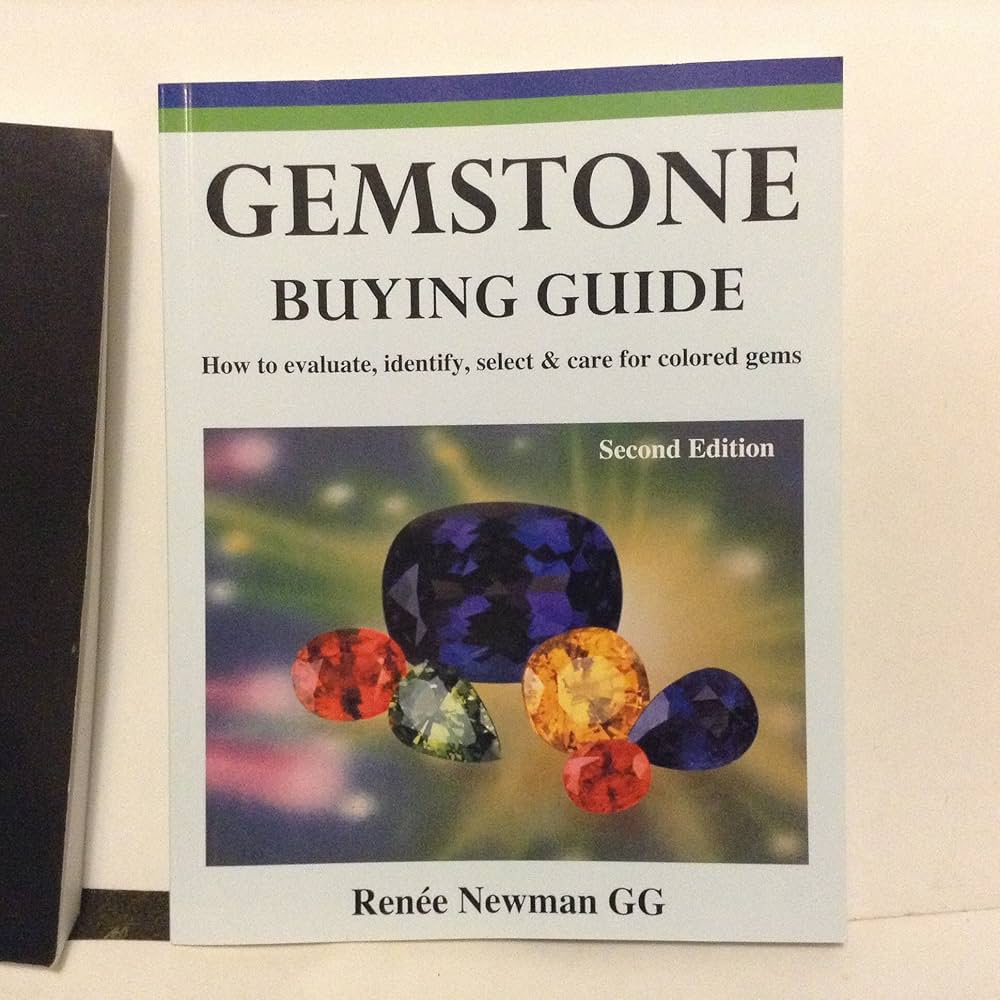
While diamond buyers are familiar with the well-established « four Cs »: Color, Clarity, Cut, and Carat, these criteria similarly apply to colored gemstones albeit with nuanced differences. Color remains the most significant factor, with coveted hues such as pigeon blood red rubies or cornflower blue sapphires commanding premium prices. Clarity assesses internal inclusions and surface blemishes, yet some stones like emeralds are naturally included, requiring a tailored approach.
The cut of a gemstone enhances its brilliance and defines its visual appeal; even the highest quality stones can appear lackluster if poorly cut. Carat weight, representing size, must be weighed alongside color and clarity — a smaller, flawless gem might surpass a larger but flawed counterpart in value. Combining these elements yields the optimal balance, crucial to making an intelligent choice. To deepen understanding, exploring certification standards through resources such as the Gemstone Certification Standards can provide clarity on quality grading.
Enhancements and Treatments: Transparency Ensures True Value
Enhancements like heat treatment, oiling, or dyeing are widespread processes used to improve gemstone appearance. While heat treatment on sapphires and rubies intensifies color and clarity, oiling seals cracks in emeralds, and dyeing revives stones such as agate or turquoise. These interventions, though standard, impact the gem’s intrinsic value and demand specific care, as treated stones may degrade over time if mishandled.
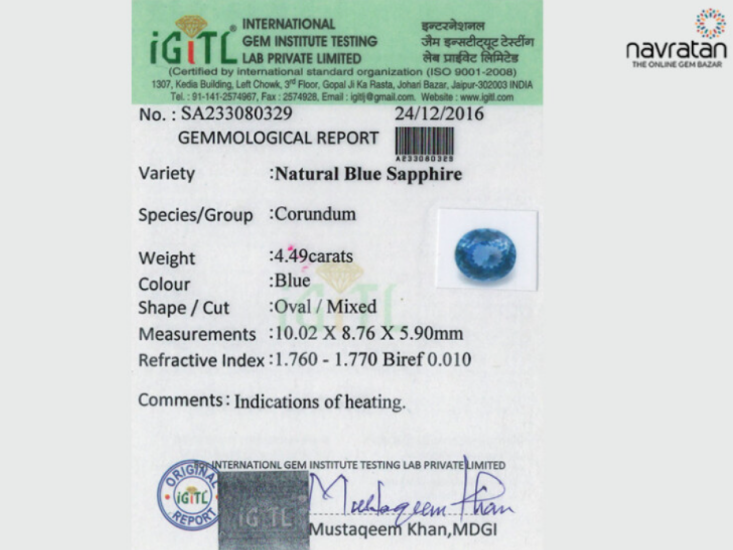
Consequently, professional sellers openly disclose any treatments, typically documented in a certified report. Buyers should never hesitate to ask “Is the gemstone treated?” and ensure such treatments are transparently recorded to avoid surprises. Learning to interpret these enhancements, as well as their market implications, safeguards both investment and aesthetic satisfaction. For comprehensive guidance, consulting the Guide on Gemstone Enhancements is advisable.

Trusting the Expertise: Insisting on a Certificate of Authenticity
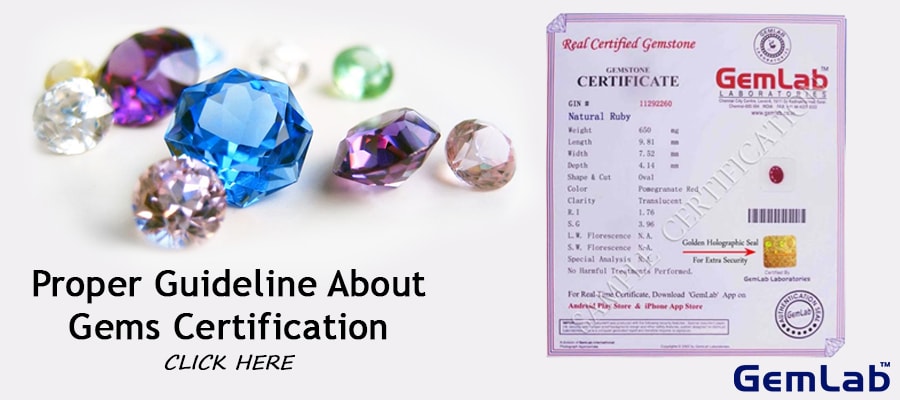
A reliable certificate serves as a critical passport in the world of gemstones. Reports from esteemed laboratories such as the Gemological Institute of America (GIA) or the American Gem Society (AGS) authenticate the type, origin, natural or synthetic nature, quality grading, and any treatments applied to a stone. These certificates help prevent fraud, establishing trust between buyer and seller and providing a documented valuation.
Reputable retailers, including renowned names like Tiffany & Co. and Blue Nile, always furnish such certification. Before finalizing any purchase, ensure the certification matches the gem and is issued by a recognized lab. This step is indispensable for collectors and investors who rely on these documents for future appraisal and resale.
Setting a Realistic Budget and Selecting the Right Seller
Budgeting pragmatically is vital. Gemstone prices span a vast range—from affordable amethysts and citrines to ultra-premium diamonds and rare Burma rubies that appreciate as investments. Align your budget with the intended purpose, be it decorative jewelry, spiritual use, or wealth preservation. Avoid emotional overspending; instead, shop thoughtfully within your financial limits.
Equally essential is sourcing from a trustworthy seller. Trusted vendors such as Sarine Technologies or Brilliant Earth emphasize transparent policies, clear product descriptions, authentic certificates, and fair return options. Avoid street vendors or online sellers lacking verifiable credentials. Reading reviews, engaging with experts, and feeling confident in the buying environment empower smart decisions. Resources like questions for buying gemstones provide practical advice for choosing the ideal retailer.
Aligning Your Purchase with Personal Intention
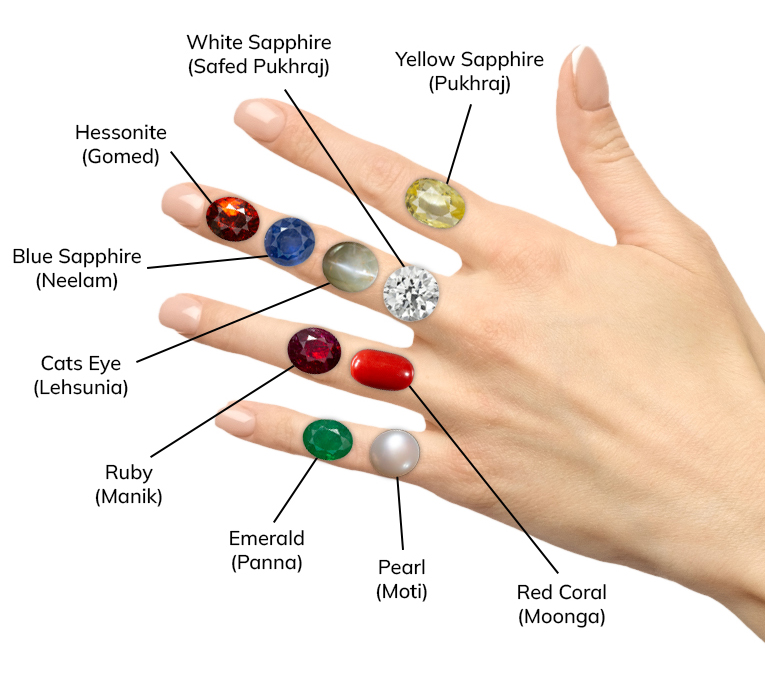
The final dimension in your gemstone journey relates to your purchase’s purpose. For fashion, durability is key—seek gems rated above seven on the Mohs hardness scale like diamonds and sapphires fit for daily wear. Astrology demands natural, untreated stones tailored through consultation with expert pundits to match your birth chart, believed to channel positive energies. If investing, focus on certified, rare gems whose value appreciates over time, such as colored diamonds or alexandrite, a practice supported by expert collectors in the field.
Consider your aesthetic preferences alongside these functional criteria. Whether desiring bold, fiery rubies or serene garnets, let your personal taste guide the acquisition, ensuring your gem becomes a cherished treasure aligned with your values.
For additional insights into planning gemstone investments, consult certified gemstone investment guides for expert advice on securing value and authenticity.