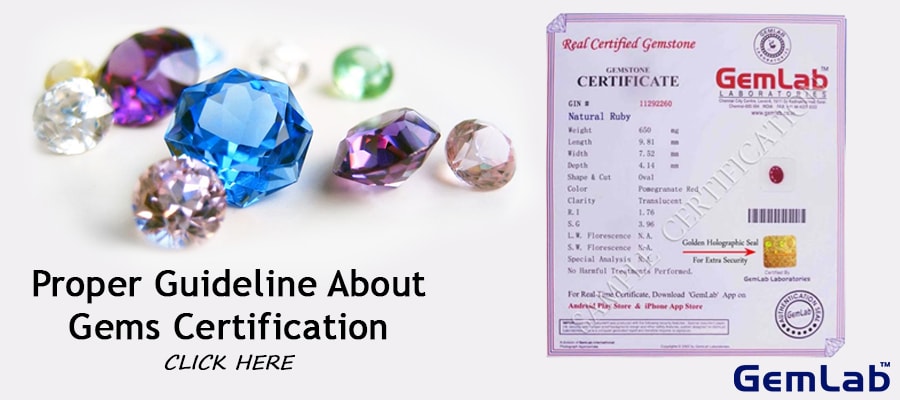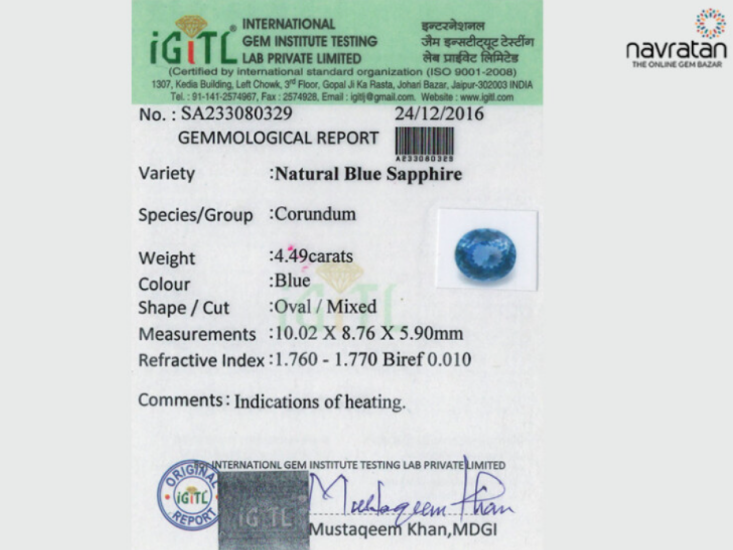
In the intricate universe of jewelry collecting and trading, the terminology used on gemstone certificates can make all the difference between a sound investment and a regrettable purchase. As collectors become more discerning in 2025, comprehending the specific language on these certificates is paramount. Without a firm grasp of terms such as cut, clarity, origin, treatment, and carat weight, buyers risk falling prey to misrepresentations or undervaluing their acquisitions. Renowned laboratories like the GIA, IGI, HRD, and AGS lead the way in providing standardized evaluations that decode these terms with precision, enabling collectors to navigate confidently.
Familiarity with gemstone certification jargon also empowers investors to discern treatment-enhanced stones from natural, untreated gems—a distinction critical for valuation and authenticity. Certificates often disclose whether the gemstone has undergone heat treatment, oiling, or resin filling, particularly common in emeralds, sapphires, and rubies. This transparency, upheld by respected entities like EGL and SSEF, ensures collectors make informed choices that align with their quality expectations and financial goals. In addition, understanding terms related to grading scales, provenance, and ethical sourcing, issued by institutions such as Gubelin, Gem-A, NGTC, and DSEF, further solidifies a collector’s ability to authenticate and invest wisely in the gemstone market.
Mastering this vocabulary is not merely academic; it offers strategic advantages in resale, insurance, and appraisal, because certified stones carry a professional endorsement of quality and authenticity. For those seeking to deepen their knowledge, the comprehensive guide to gemstone authentication sheds essential light on interpreting certificates accurately, with a focus on avoiding certification scams and understanding the limits of grading. In essence, for anyone entering or operating within the gemstone trade, fluency in certification terminology is indispensable, transforming complexity into clarity and uncertainty into confidence.
Understanding the Core Grading Terms on Gemstone Certificates
Gemstone certificates are dense with specialized language that can initially seem intimidating. Yet, understanding core grading terms fundamentally changes how one assesses a stone’s value. The cut influences brilliance and overall visual appeal; while color grading, often detailed as hue, tone, and saturation, dictates the gemstone’s aesthetic and market value. Clarity, describing internal inclusions or external blemishes, is another cornerstone that laboratories like the GIA and AGS meticulously analyze. Additionally, carat weight quantifies size but does not singularly determine worth without considering other factors.
For example, an emerald with significant oil treatment may still have substantial visual appeal but will be distinctly marked in its certification, impacting price and longevity. This interplay of terms on certificates from respected labs—such as IGI and EGL—is critical for collectors to understand. Each term isn’t just a descriptor but part of a codified language that, when decoded, reveals not only the stone’s beauty but its rarity and integrity.
The importance of treatment disclosures in certification
Treatment information is one of the most crucial aspects within gemstone certificates. Treatments, like heating in sapphires or resin filling in emeralds, can significantly alter a gemstone’s appearance and value. Labels stating whether a gemstone is “natural,” “treated,” or “synthetic” provide transparency. Institutions such as SSEF and DSEF emphasize these declarations to maintain market integrity. For collectors and investors alike, distinguishing between untreated and treated gemstones is paramount because it affects long-term durability and resale value. Understanding these terms helps to dispel common myths that certification guarantees perfection, reminding buyers that certificates inform rather than embellish.
Choosing Reputable Laboratories and Recognizing Certification Differences
Not every certificate carries equal weight in the gemstone marketplace. Knowing which laboratories provide reliably standardized and thorough evaluations is key to making smart acquisitions. Established entities like GIA, IGI, and HRD are synonymous with credibility. Their grading systems, verified under strict protocols, offer transparency and trust. Conversely, lesser-known labs may issue certificates lacking rigorous evaluation, risking fraud or misinformation. In 2025, the market continues to prioritize certificates from top-tier labs for insurance, appraisal, and resale purposes.
The subtle nuances in grading scales and terminology among labs can influence perceived quality. For instance, the grading scales from Gubelin and NGTC might differ slightly in how clarity or color intensity is rated compared to Gem-A. Awareness of these differences is vital to interpreting each certificate correctly and assessing value accurately. This understanding protects collectors from overpaying or acquiring misrepresented stones, ensuring that every purchase aligns with their authenticity expectations and investment strategy.
Verifying and Authenticating Existing Gemstones with Certification
For gemstones already in possession, obtaining or verifying certification adds essential validation. Numerous collectors find it invaluable to certify their gemstones post-purchase through trusted services, reinforcing provenance and value. Options to certify existing gemstones from respected labs help bridge gaps in documentation and provide renewed confidence in ownership.
Verification procedures often include advanced testing for treatment detection, origin tracing, and identity confirmation. The expertise of labs such as EGL or SSEF ensures the accuracy of verification reports, which can significantly impact insurance premiums and market appeal. Running these checks before resale or inheritance planning transforms personal gems into assets with documented credibility, promoting informed decision-making.