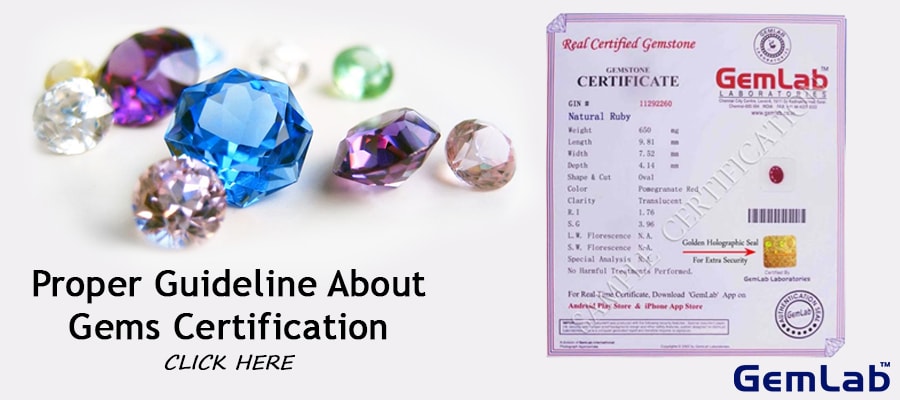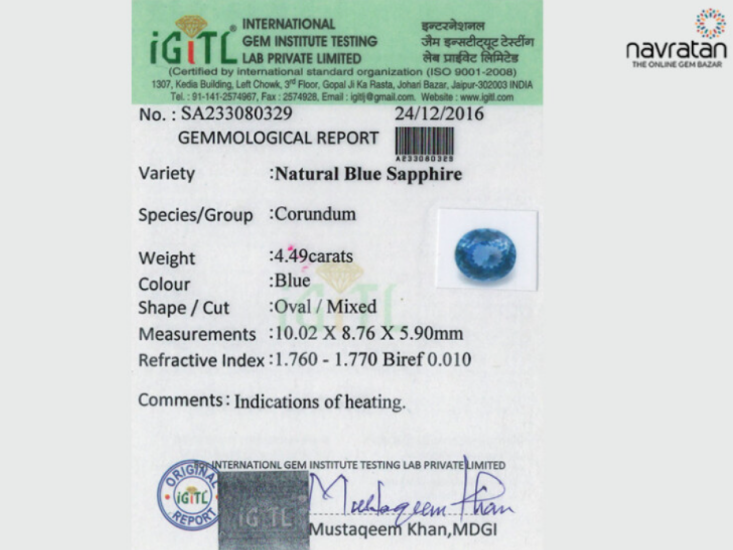
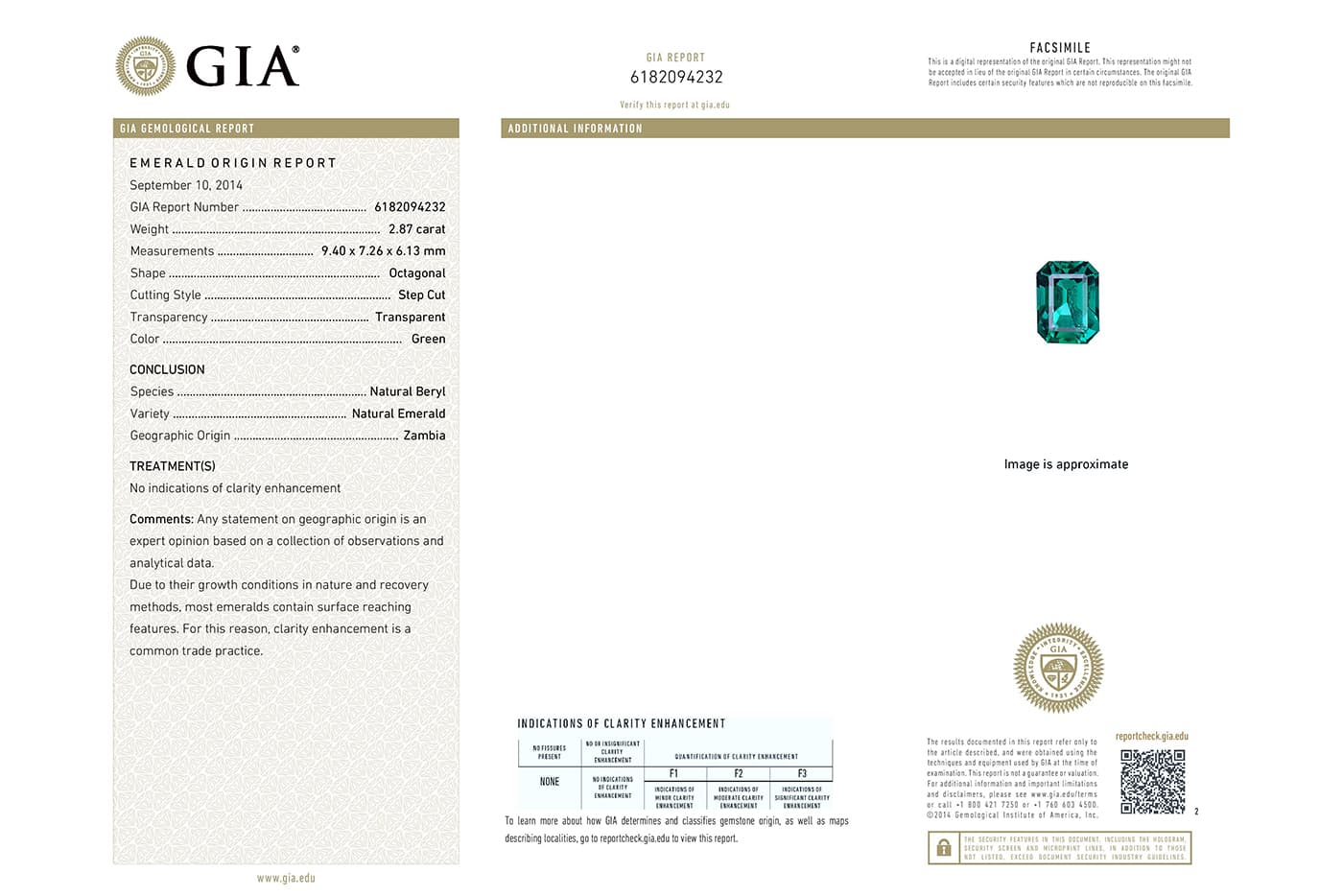
Gemstone certificates represent a critical element in the world of gem buying and selling, providing a detailed and trusted record of a stone’s authenticity, quality, and provenance. These certificates are more than mere paper; they form the backbone of trust and financial assurance between parties, especially when high-value gemstones are involved. However, a common question arises among collectors, investors, and jewelry enthusiasts alike: can gemstone certificates be transferred between owners? Understanding the nuances around this topic is vital for anyone navigating the gemstone market.
In brief: Gemstone certificates document essential information such as authenticity, quality, origin, and treatments. These records are usually linked to individual stones but can be transferred with the stone itself, provided the new owner follows certain verification protocols. Recognized labs like GIA, AGS, and HRD Antwerp issue certificates that carry significant reputational weight and often include unique identifiers such as laser inscriptions, ensuring the certificate matches the exact gemstone. While certificates aid resale and insurance, owners must be judicious in verifying certificate authenticity and relevance, especially when ownership changes hands. Certificates do not expire but may require updates or re-certification for certain purposes. Misunderstanding the transfer process can lead to fraud or disputes, which underscores the need for thorough due diligence in gemstone transactions.
What Makes a Gemstone Certificate Transferable Between Owners?
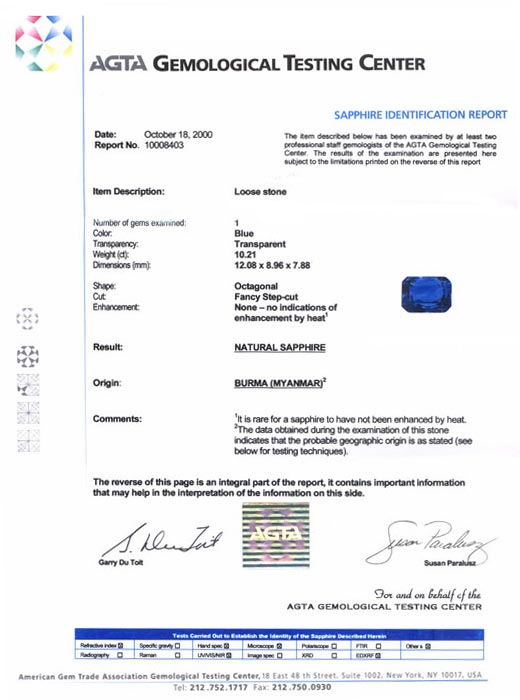
At the heart of certificate transferability lies the linkage between the gemstone and its certificate. A certificate’s value is intrinsically tied to the specific stone it describes. Most laboratories issue certificates that bear unique identifiers, such as serial numbers and sometimes microscopic laser inscriptions on the gemstone’s girdle, creating a verifiable connection. This ensures that when ownership changes, the certificate—if properly verified—remains a valid document reflecting the gemstone’s characteristics.
However, the certificate is generally issued at the time of initial certification to the original owner or dealer. That means the certificate documents the stone as it was when first examined. If the gemstone has remained unchanged, the certificate can indeed follow the stone to a new owner, serving as an invaluable tool for establishing authenticity and value. To maintain its relevance, buyers should always verify the certificate against the gemstone and confirm that the certificate has not been altered or tampered with.
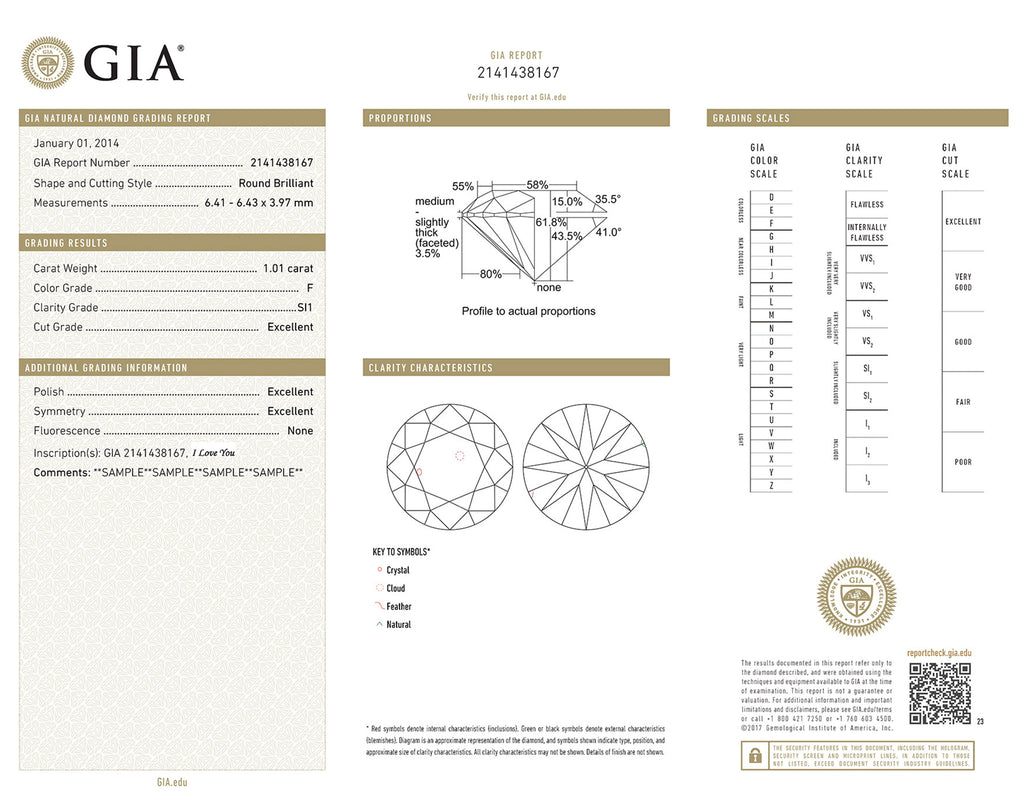
The Role of Gemological Laboratories in Certificate Validity
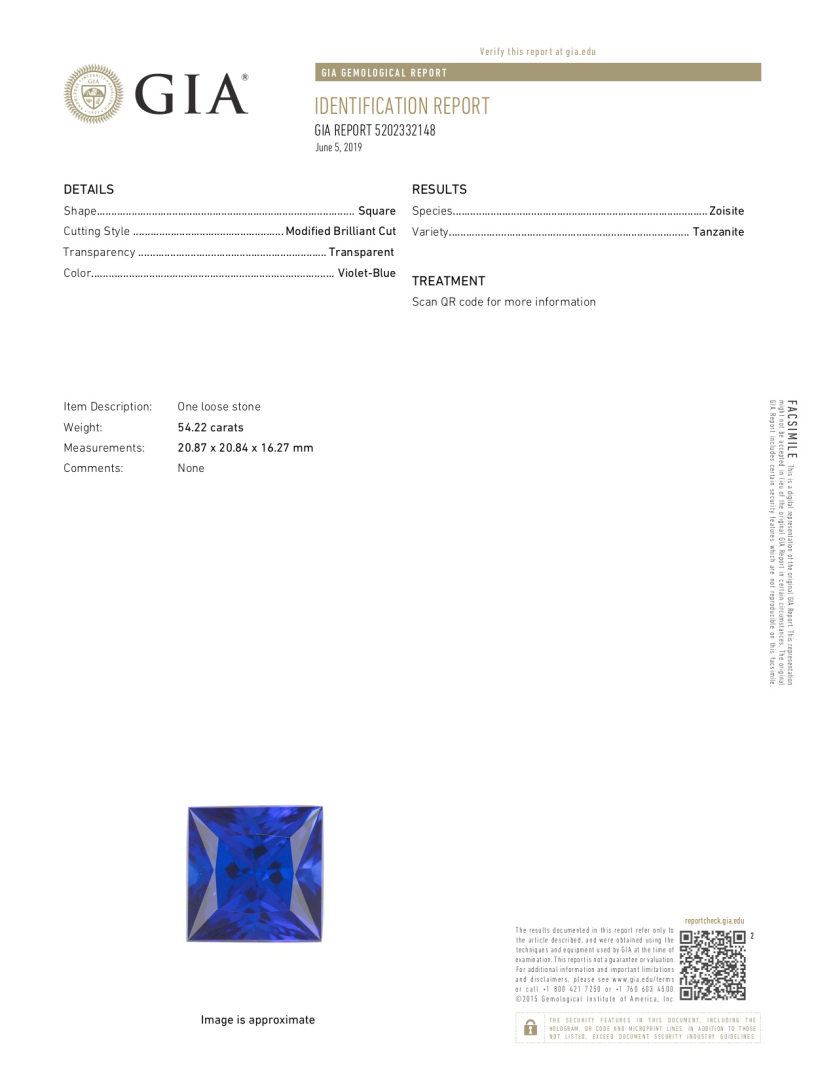
Leading laboratories such as GIA, IGI, AGS, and HRD Antwerp are renowned for their stringent certification standards and advanced technologies, including laser inscription matching and digital verification portals. Certificates from these labs include detailed descriptions of the stone’s type, carat weight, color, clarity, cut, and treatments, providing a scientific “fingerprint.”
When transferring ownership, it is important to check with the issuing laboratory to ensure the certificate remains valid and corresponds exactly to the stone in question. Some labs offer services such as certificate upgrades or re-verification, which can be crucial if the gemstone has undergone further treatments or modifications post initial certification.
Practical Considerations for Buyers and Sellers in Certificate Transfers
In the resale market, gemstone certificates serve as a cornerstone for transparency and trust. A buyer is more likely to invest confidently if a certificate accompanies the stone, offering assurance of its documented qualities. For sellers, providing an original certificate from a reputable lab enhances marketability and fetches better prices.
However, pitfalls revolve around fake or outdated certificates. Some certificates might not reflect recent treatments or changes in the gemstone’s properties, which is why consultation with laboratories or professional appraisers is critical. Detailed guidance on resale certification and avoiding red flags in gemstone certificates can protect all parties involved.
It’s equally important to store and manage certificates securely following best practices to prevent loss or damage, as discussed in techniques outlined for secure gemstone certificate storage. Loss of certificates doesn’t diminish the gemstone’s intrinsic value but can impact resale price and insurance claims.
When Re-Certification Becomes Necessary
While certificates do not expire, over time, market standards and identification technologies evolve. Stones resold years after the original certification might require re-assessment to confirm their qualities, especially if the gem has undergone modifications such as recutting or new treatments. Laboratories like GCAL, SGL, and EGL USA also provide certification and re-certification services that enforce updated grading standards and advanced analytical techniques.
Collectors and investors often request re-certification to maintain the gemstone’s market competitiveness and verify the contemporary accuracy of its qualities. Guidance on navigating certificate upgrades and re-certification provides clarity on when this step is recommended.
Factors Affecting the Transferability and Use of Gemstone Certificates
Despite certificates being transferable, several factors influence their utility after an ownership change. The condition of the gemstone, any post-certification treatments, and the reputation of the lab issuing the certificate all weigh heavily on the certificate’s ongoing value.
For instance, certificates from prestigious laboratories such as the Gubelin and SSEF laboratories are often sought for colored gemstones, due to their expertise in origin certification, a factor prominently influencing gemstone value. Therefore, retaining certificates from such labs ensures greater confidence among future buyers.
Furthermore, the prevalence of lab-grown gemstones and synthetic treatments means buyers must stay informed through trusted sources. For insights on this front, perusing expert articles like those on lab-grown gemstones certification is essential for navigating modern gemstone markets.
Accurate understanding and proper handling of gemstone certificates ensure that they remain powerful tools for authentication, valuation, and trust building. This clarity benefits all stakeholders in the gemstone ecosystem, from miners to retailers and collectors.