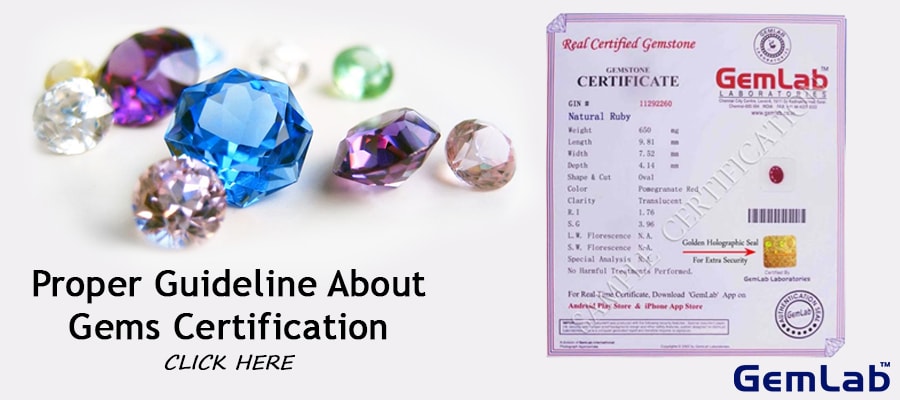
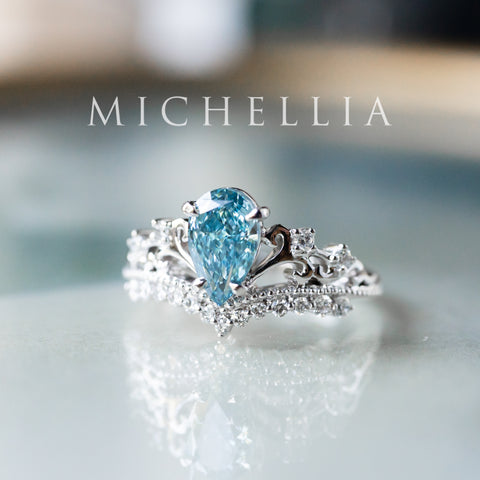
In the evolving world of custom engagement rings, gemstone certification has become a pivotal factor shaping buyers’ confidence and the jewelry market’s transparency. With the rise of diverse gemstones and sophisticated synthetic creations, consumers face challenges in distinguishing genuine quality from deceptive appearances. Certifications from renowned organizations such as GIA, IGI, AGS, HRD, and EGL now provide crucial verification of a gemstone’s authenticity and attributes, fundamentally influencing purchasing decisions for bespoke pieces. Meanwhile, retailers like Tiffany & Co., James Allen, Blue Nile, Brilliant Earth, and Whiteflash have integrated certification as a standard for ensuring trust and thus redefining the custom engagement ring experience.
The significance of gemstone certification extends beyond mere validation; it empowers customers with insights into their investment’s value, origins, and lifespan. As bespoke engagement rings often carry deep personal sentiment and financial importance, certified gemstones assure buyers they receive stones accurately graded on critical factors such as cut, color, clarity, and carat weight. This assurance mitigates the risk of overpaying for poorly graded or misrepresented gems, a common pitfall in unconsolidated markets. In 2025, with increasing consumer awareness and technological advances, certification has become indispensable in maintaining the natural diamond market’s integrity while supporting the surge in alternative gemstone selections.
How Gemstone Certification Assures Authenticity and Quality in Custom Engagement Rings
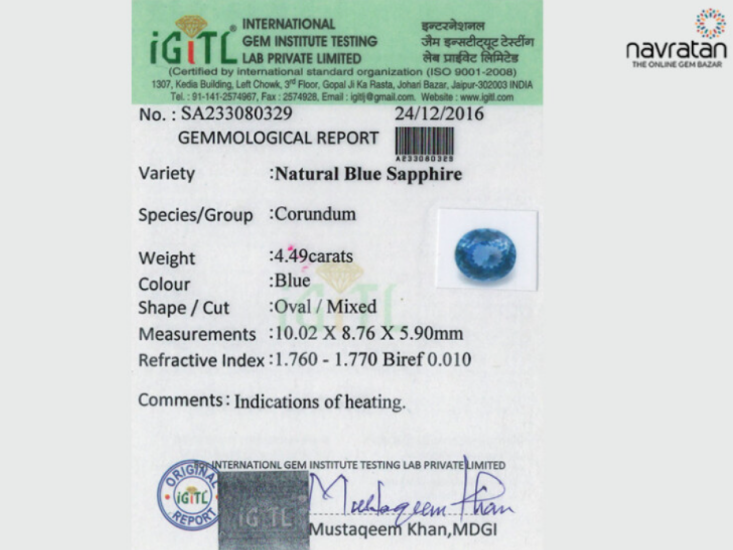
Gemstone certification provides a scientific foundation for evaluating the unique qualities of diamonds and other precious stones used in custom engagement rings. Trusted labs like GIA, IGI, AGS, HRD, and EGL apply rigorous grading standards to ensure each gemstone’s natural origin and quality are transparent. A detailed grading report outlines the 4Cs—cut, color, clarity, and carat weight—alongside additional factors such as fluorescence, symmetry, polish, and any inclusions. This comprehensive assessment not only distinguishes natural stones from lab-grown counterparts but also exposes treatments or enhancements that could affect value and durability.
Reputable certification acts like a blueprint, guiding both jewelers and customers through the complexities of gemstone selection. For instance, brands like James Allen meticulously display certificates alongside their diamonds, enabling buyers to compare stones purposefully. This transparency is vital when designing a custom engagement ring, where each gemstone’s characteristics must harmonize with the client’s vision and expectations. In contrast, uncertified gemstones carry risks of misrepresented quality, leading to future dissatisfaction or loss in resale value, as elaborated in resources such as the Gemstone Certification Transparency guide.
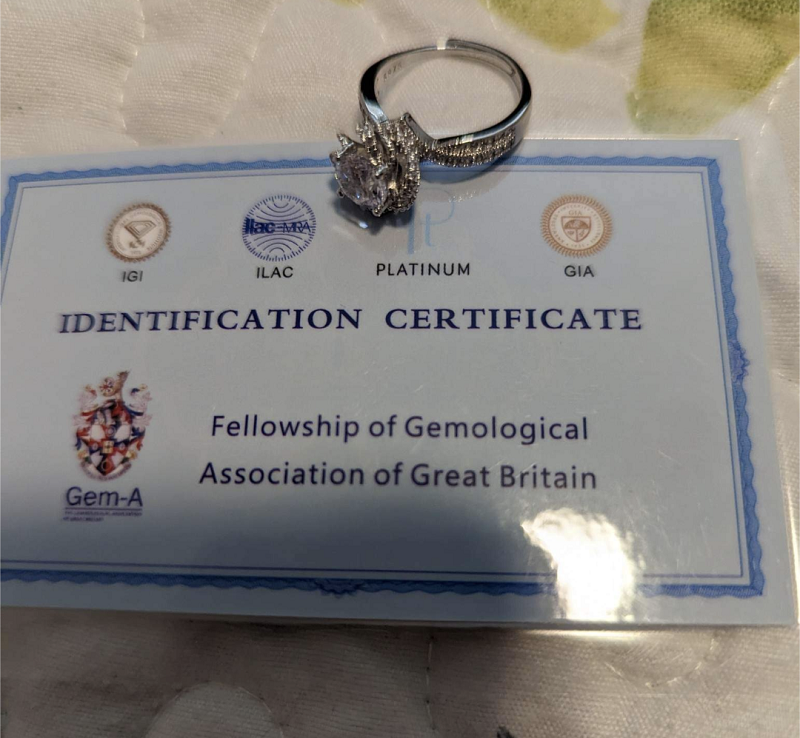
Why Certification Impacts Gemstone Value and Consumer Confidence
The presence of an authoritative certification significantly affects the market value of a custom engagement ring’s centerpiece. Certified diamonds graded by GIA typically command a higher price and better resale value compared to those assessed by less stringent or less reputable labs such as some branches of EGL or certain in-house assessments. Such conservative grading benchmarks protect buyers from inflated claims about clarity or color grades that can mislead consumers. This disparity underscores why vigilance against questionable certifications is critical for those investing in luxury pieces.
Moreover, certification fosters consumer confidence through verified origin and authenticity, vital for gemstones sourced amid rising demands for ethical and sustainable jewelry. Brands like Brilliant Earth emphasize provenance alongside certification, addressing contemporary buyers’ concerns over sourcing. Such trust enables clients to freely design personalized rings without compromising on quality or value, which is especially important in 2025’s market where lab-grown diamonds and colored gemstones gain share.
Choosing the Right Certification for Custom Engagement Rings: What Buyers Must Know
Not all certifications carry the same weight in 2025’s jewelry landscape. GIA remains the gold standard, celebrated for its consistent grading rigor and impartial approach. AGS is recognized for its precise cut grading system, appealing to cut-focused connoisseurs, whereas IGI and EGL often serve broader markets, including lab-grown and colored gemstones. Understanding these distinctions empowers buyers to align their expectations with certification credibility when commissioning a custom ring.
For example, Tiffany & Co. maintains strict controls by insisting on GIA certification, ensuring that every stone matches meticulously cataloged standards. Conversely, some online platforms like Blue Nile and James Allen offer certificates from various labs, which necessitates a savvy consumer mindset to discern quality and reporting reliability. To avoid pitfalls, buyers should always verify certificate authenticity and carefully review the grading nuances to ensure their custom engagement ring showcases balanced brilliance, fire, and value.
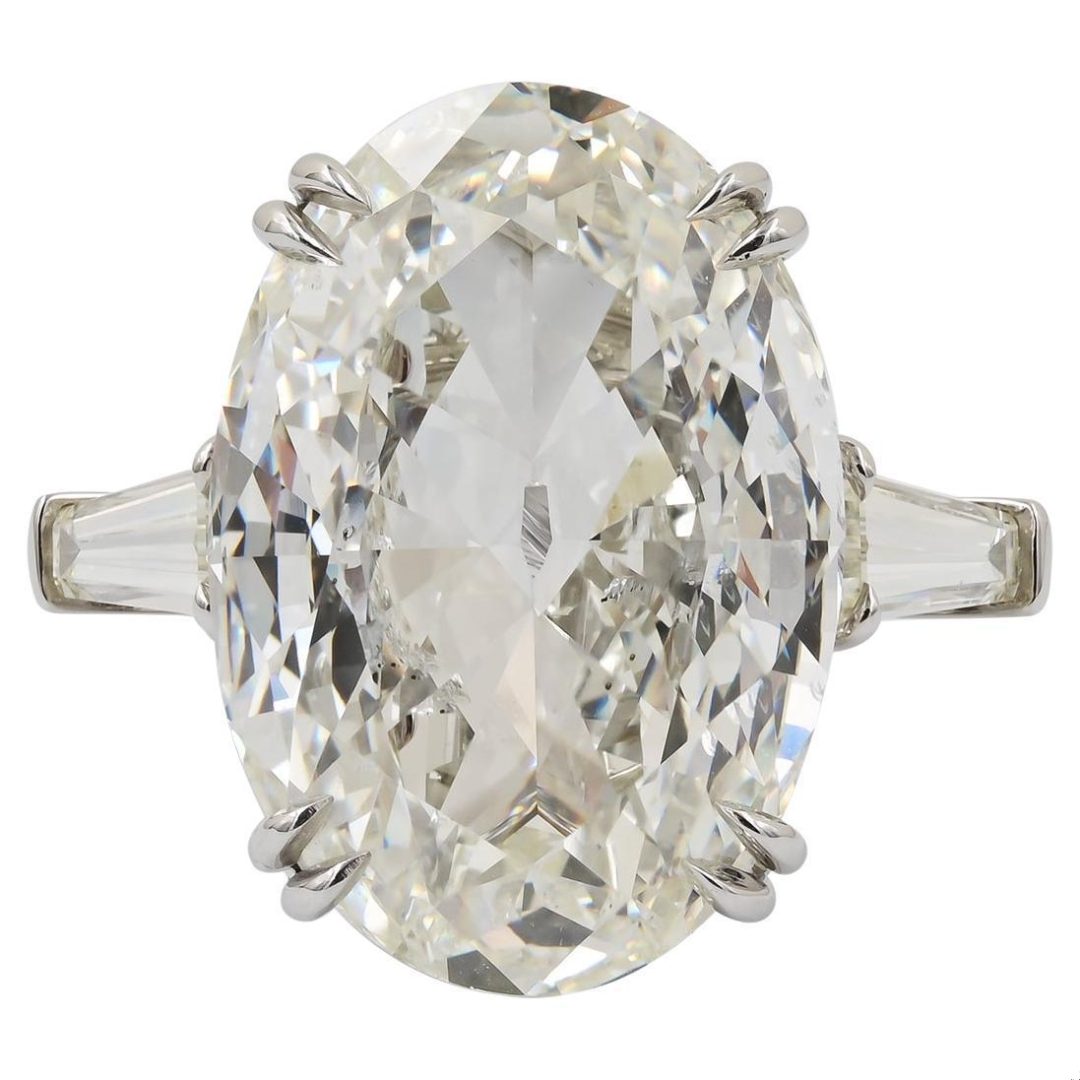
Technological Advances Enhancing Certification Transparency and Accessibility
Innovations in gemstone certification technology have greatly enhanced transparency and convenience. Digital grading reports accessed via secure platforms allow buyers to validate certificates instantly, reducing fraud risks and increasing trust in online jewelry shopping. Laser inscriptions of report numbers directly on the diamond, a feature popularized by labs like GIA, further tie physical stones to their documentation. Buyers creating custom engagement rings experience seamless assurance from selection to finishing touches.
Additionally, augmented reality tools now allow consumers to visualize how certified stones will look in their bespoke ring settings before purchase, integrating detailed grading information to tailor choices precisely. These technological breakthroughs align with increasing consumer demand for clarity and certainty, as discussed in the Gemstone Certification Technology insights. As a result, jewelers like Blue Nile and Brilliant Earth incorporate these innovations, revolutionizing how custom rings are designed and sold digitally.