In the world of fine jewelry, understanding the intrinsic quality of a gemstone is paramount. The process of gemstone grading serves as a crucial measure, unveiling the detailed characteristics that dictate a gem’s brilliance, durability, and value. In 2025, as the market evolves with new sources and synthetic advancements, the transparency and reliability offered by proper grading and certification become indispensable. Whether investing in an exquisite sapphire or selecting a unique ruby for a collector’s cache, grasping how gemstones are assessed provides clarity and confidence in every purchase.
En bref :
- Gemstone grading is primarily based on four critical factors: color, clarity, cut, and carat weight, each intricately influencing the gem’s overall quality and market price.
- Color plays the predominant role in determining value, encompassing hue, tone, and saturation, with certain rare colors commanding premium prices.
- Clarity scales vary among gemstones, with emeralds traditionally accepted with more inclusions unlike diamonds, highlighting the importance of understanding gem-specific standards.
- Cut quality enhances a stone’s brilliance and attractiveness and is judged by symmetry, polish, and proportions.
- Trusted certifications from renowned laboratories such as GIA, IGI, and HRD Antwerp provide authenticity and detailed grading reports, protecting both buyers and sellers.
How Gemstone Grading Shapes Value and Trust in Jewelry
Gemstone grading is not simply a technical exercise; it is the lens through which the inherent beauty and investment potential of a gem are judged. The multifaceted criteria used by expert gemologists elucidate vital features that affect price and desirability. The rigorous evaluation extends beyond the superficial sheen to include minute inclusions, facets precision, and carat weight uniformity, which collectively differentiate an ordinary stone from a celebrity-worthy jewel.
Imagine a jeweler in New York sourcing a rare Padparadscha sapphire in 2025. The stone’s vivid saturation and flawless cut reported by a trusted lab like GIA or IGI ensures not only fairness in pricing but also instills buyer confidence. As gemstone treatments and enhancements become more sophisticated, official grading and certifications transcend mere formality – they become a safeguard against misrepresentation.
Decoding the Four Cs of Gemstone Quality
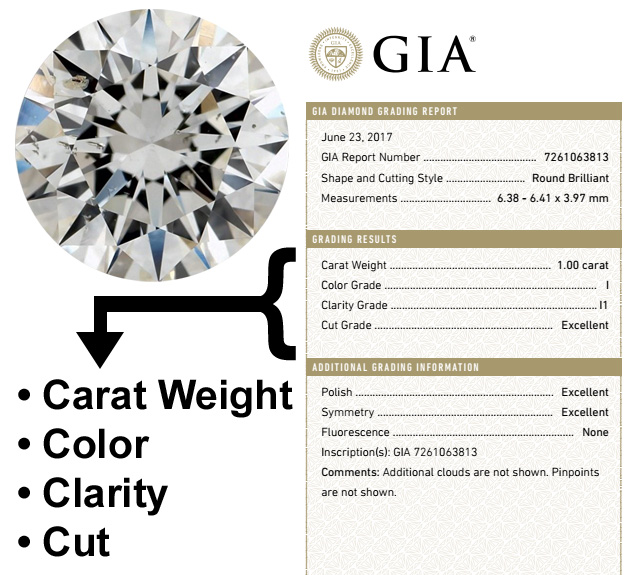
The industry’s foundation for evaluating gemstones rests on four pillars, famously known as the Four Cs: Color, Clarity, Cut, and Carat Weight. Each factor demands specialized analysis using advanced instruments and expert interpretation.
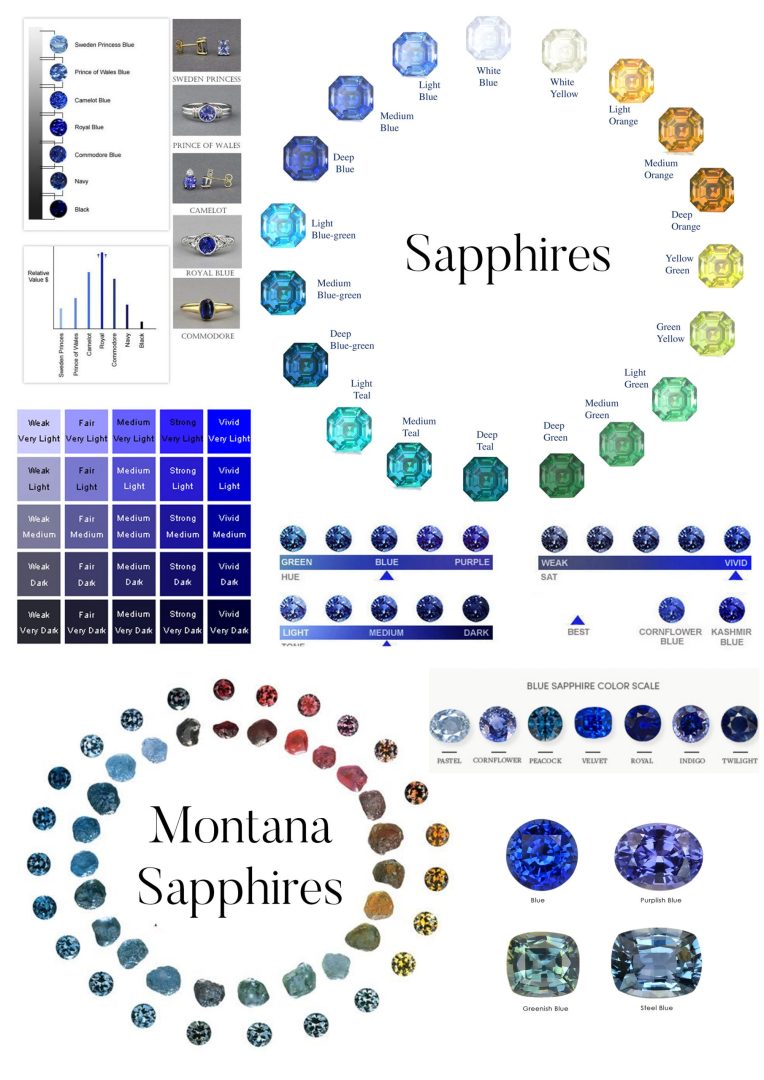
Color remains king in gemstone valuation. It comprises three gradations: hue (the basic color), tone (the lightness or darkness), and saturation (the intensity). For example, a ruby with a pure, deep red tone and strong saturation often fetches exorbitant prices, whereas irregular tones or diluted hues can significantly diminish a gem’s appeal. Certain rare colors, such as those found in Paraiba tourmalines with their electrifying blues, underscore how rarity impacts worth.
Clarity assessments distinguish between acceptable natural inclusions and detracting imperfections. Unlike diamonds, many colored gemstones tolerate a certain level of inclusions. Emeralds, for instance, traditionally harbor inclusions known as « jardin, » which do not necessarily reduce their value but rather attest to their authenticity. Grading scales, ranging from Flawless (FL) to Included (I), provide a guideline, but gem-specific nuances are paramount.
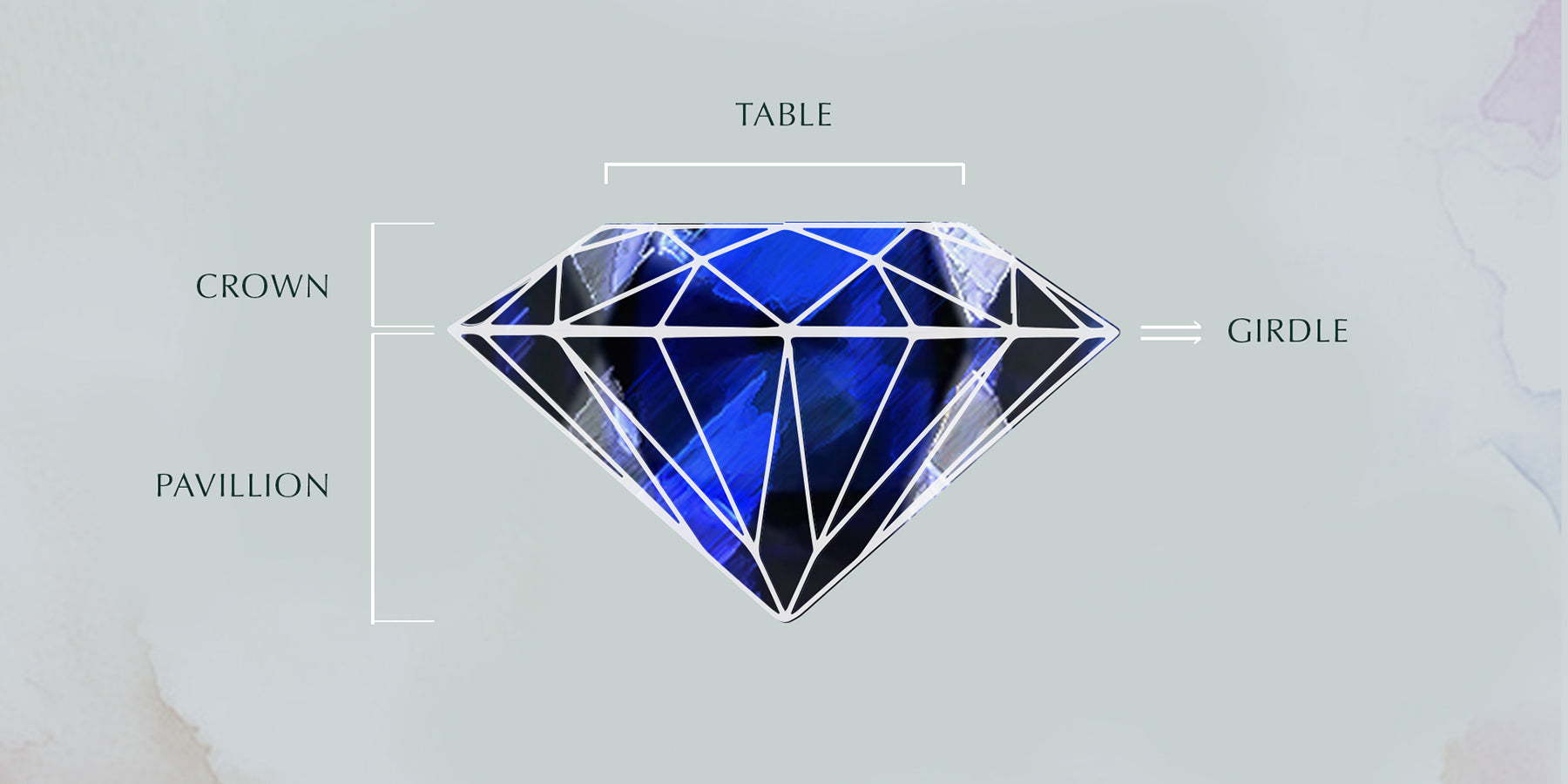
The cut is more than just shape; it defines the gem’s interaction with light, dictating its sparkle and vitality. A precisely faceted sapphire or diamond with optimal symmetry and polish creates a kaleidoscopic display of brilliance that influences both emotional appeal and market price. Gemcutters consider the gem’s structural integrity, especially in fragile stones like emeralds, tailoring the cut to balance beauty with durability.
Carat weight, while a straightforward measurement, varies in significance across gemstone types. Larger gemstones are rarer and thus valued higher, but a perfect 1-carat ruby might easily outprice a 2-carat garnet due to intrinsic scarcity and desirability.
The Vital Role of Certification Labs in Gemstone Authentication
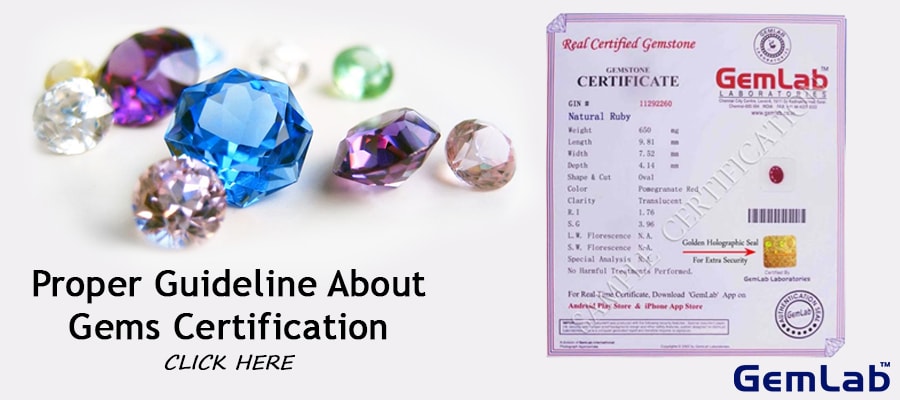
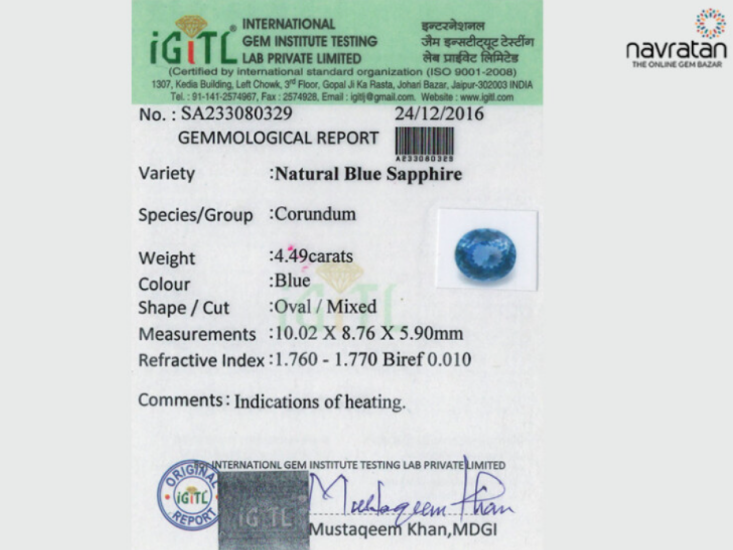
In today’s dynamic gemstone market, the role of gemological laboratories has never been more critical. Renowned institutions such as GIA, AGS, HRD Antwerp, SGL, EGL, GCAL, DGLA, Gubelin Gem Lab, and NGTC set the benchmark for accuracy and integrity in the gem world. Their detailed grading reports not only confirm a gemstone’s authenticity but also disclose treatments, origins, and grade specifics that are imperative in establishing trust.
Certified gemstones protected by a respected report reduce the risk of fraud and create a transparent trading ecosystem. For instance, a buyer of an emerald ring from Colombia can rely on a GIA certification to verify its origin and treatment status, knowledge that dramatically influences value and resale possibilities. Collectors and investors increasingly demand such documentation, underscoring its role as a vital asset.
Understanding the Grading Process and Why It Matters for Buyers
Behind every grading report lies a meticulous process conducted by highly trained gemologists armed with sophisticated tools. Evaluations involve magnification to inspect clarity inclusions, spectrometry for color analysis, and precision instruments to assess cut angles and proportions. This exhaustive scrutiny ensures that the final grade reflects the gem’s true nature.
For the buyer, this translates into a safeguard and a roadmap. Knowing how to interpret grading reports from prominent laboratories allows for smarter investments and wiser selections. Furthermore, in a market where untreated stones are increasingly prized, certificates indicating authenticity without treatments can command significant price advantages.
The importance of gemstone grading magnifies in 2025 as consumer awareness increases and the secondary market matures. An informed buyer navigates this landscape with greater confidence, skipping subpar specimens and focusing on exemplary quality backed by credible certification. This vigilance ultimately supports a healthier, more transparent jewelry market.