In the dazzling world of gemstones, understanding treatment disclosures is essential for any buyer seeking assurance and value. Gemstones like emeralds, sapphires, and rubies often undergo various enhancements to improve appearance, but these treatments can significantly influence their worth and care requirements. Despite regulations mandating transparency, many consumers remain unaware of how these alterations are disclosed on certificates, which serve as critical guides to the stone’s true nature.
Effective gemstone certification not only confirms authenticity but also details treatments — from oiling and resin filling for emeralds to heat treatments in sapphires and rubies — that can mask imperfections. This disclosure helps buyers navigate the complexities of gemstone valuation and care. By exploring the nuances of treatment revelation on certificates issued by renowned laboratories such as GIA (Gemological Institute of America) and IGI (International Gemological Institute), consumers gain vital knowledge to make informed purchases and protect their investments in 2025’s sophisticated market.
Grasping the Importance of Treatment Disclosures in Gemstone Certification
The first rule for anyone purchasing a gemstone is to always request and thoroughly read the certification provided before making a decision. Without this, buyers lack the after-sale protection needed if the gemstone is damaged or concealed defects are present. Identifying whether a gemstone has been treated is a complex scientific process that cannot be reliably done with a simple magnifier, even by experienced jewelers. Only laboratory analysis by skilled gemologists from reputed labs like HRD Antwerp or the American Gem Society (AGS) provides definitive answers regarding treatments.
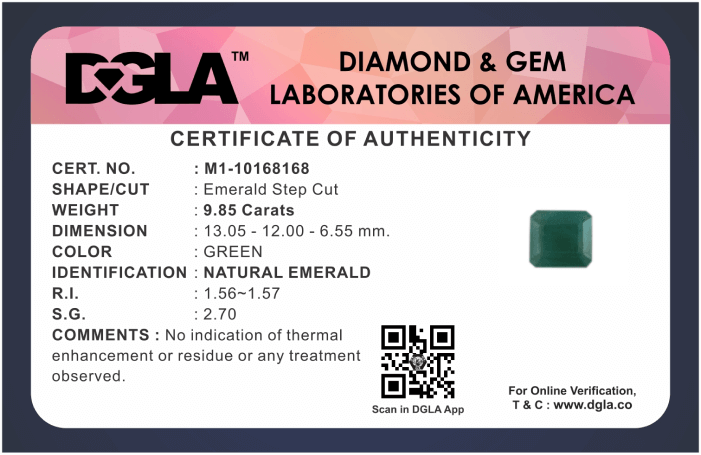
What Details Should a Certification Reveal About Treatments?
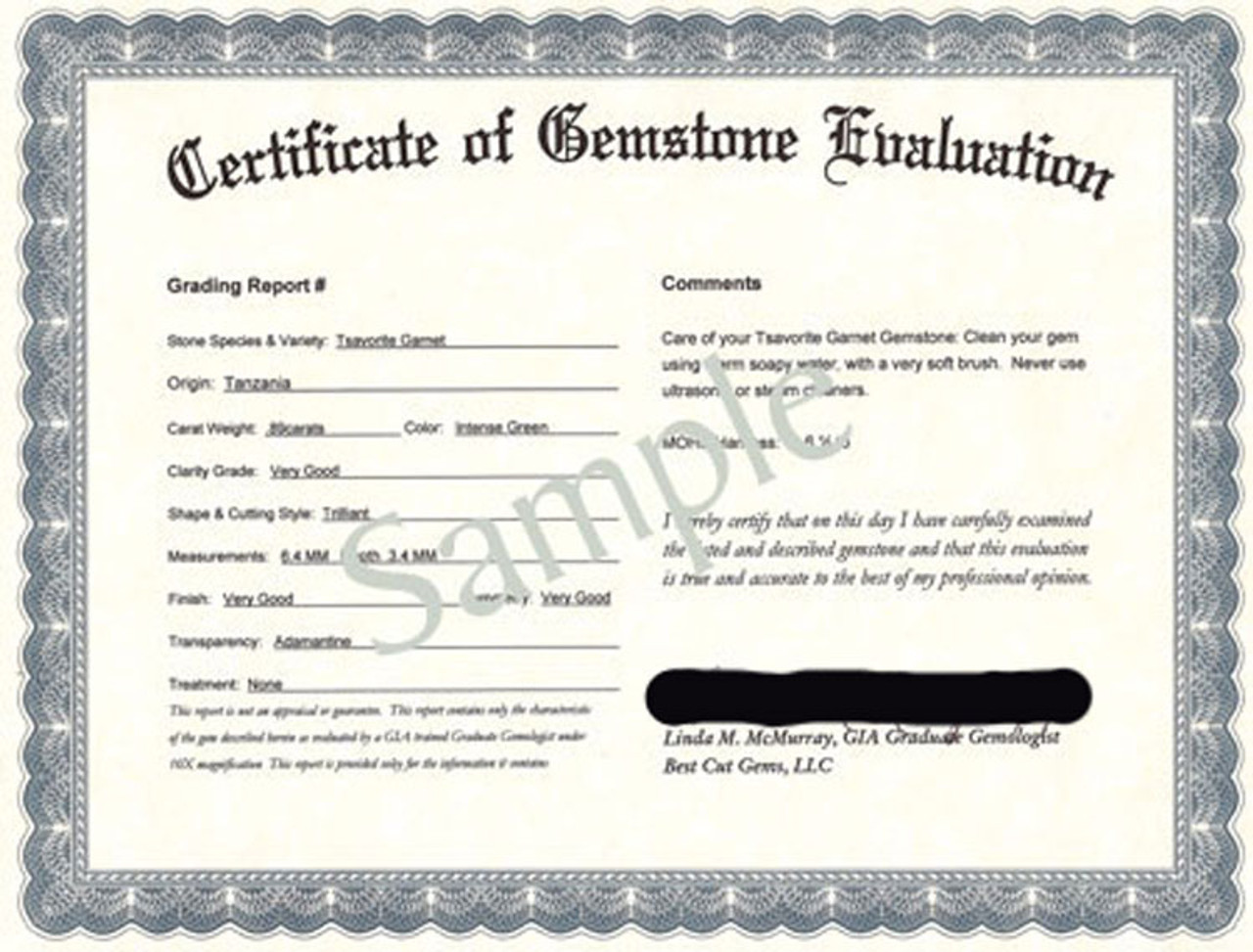
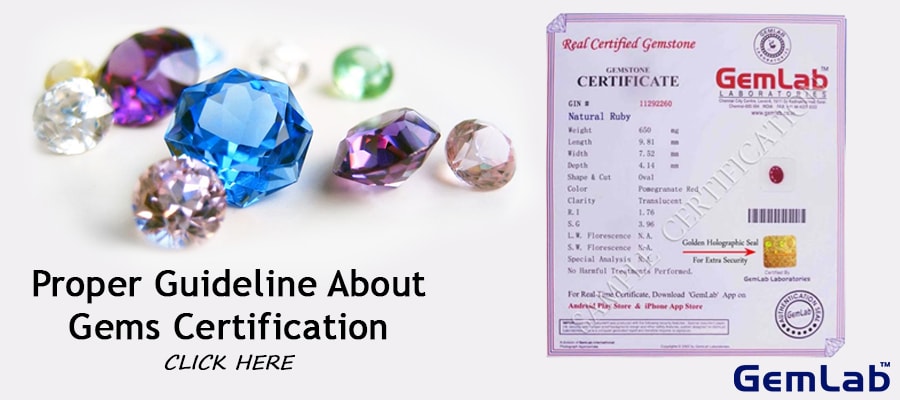
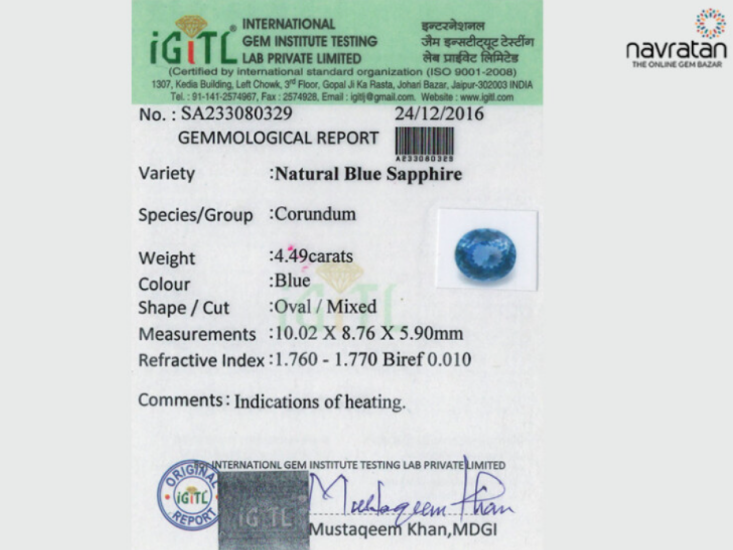
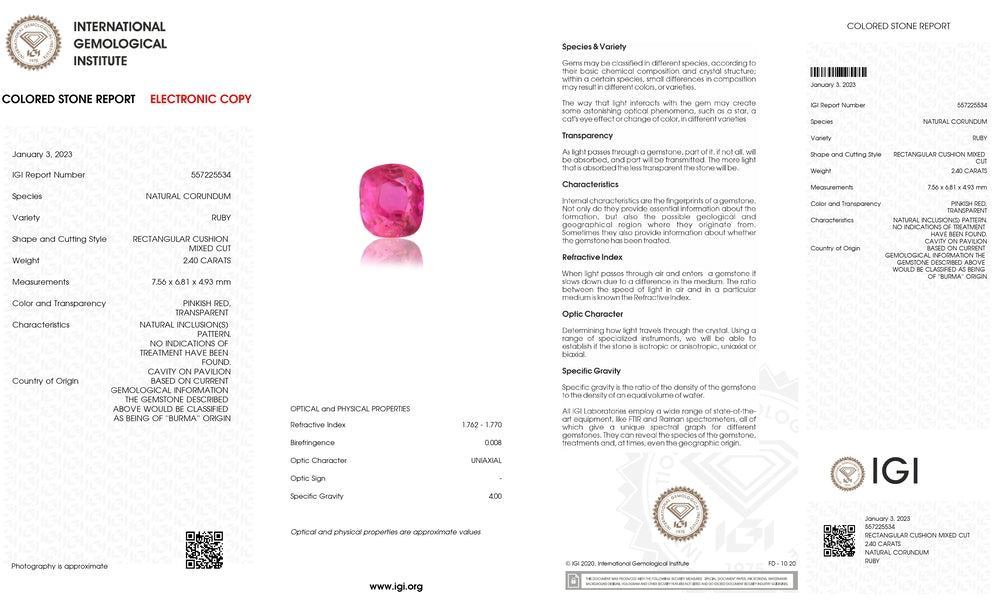
When reviewing a certification, the key focus should be on any treatments performed on the gemstone that could mask damage or enhance appearance, including fillers or coloring agents. Transparency in these certifications must be straightforward, clearly outlining whether the stone has undergone treatment and specifying the exact type. For example, certificates commonly state whether emeralds are treated with oils or resins to fill fissures, or if sapphires and rubies have been heat-treated to improve clarity and color. Buyers interested in comprehensive knowledge can refer to resources like Gemstone Certification Guide which explains industry standards and terms used in disclosures.
Why Gemstone Treatments Often Remain Undiscussed in Sales
Despite Federal Trade Commission (FTC) regulations requiring disclosure of gemstone treatments, many jewelers historically avoid openly discussing such enhancements with buyers before purchase. Instead, treatment information is sometimes relegated to fine print disclaimers on certificates issued post-sale, absolving sellers of future responsibility. This practice creates a knowledge gap for customers and can lead to costly misunderstandings regarding the gemstone’s true nature and care needs.
Buyers who insist on full transparency and clarity in certification can rely on reputable laboratories like Gübelin Gem Lab or SSEF (Swiss Gemmological Institute), known for rigorous standards and clear treatment disclosures. In addition, understanding these disclosures equips buyers to take informed steps in valuation, insurance, and preservation of their gemstone investments.
The Legal Framework and Its Role in Treatment Disclosure
Laws surrounding gemstone treatment disclosure, such as 16 CFR § 23.24, mandate that sellers must reveal treatments affecting a stone’s value or durability and inform customers of special care requirements. This legal context underscores the ethical responsibility for transparency. Yet, buyers must proactively seek certificates and understand the nuances of these regulations to protect themselves against undisclosed treatments. Trusted certifications from institutions like Gem-A (Gemmological Association of Great Britain) or EGL USA can be powerful tools in safeguarding consumer rights.
Navigating Certification: How to Use Lab Reports for Better Gemstone Purchases
Certified certificates serve as a buyer’s roadmap, offering more than mere authentication. They document specific qualities such as color, clarity, cut, and carat weight, along with crucial information on origins and treatment history. Utilization of certificates from trusted labs like NGTC (National Gemstone Testing Center) or Lotus Gemology empowers consumers to make educated decisions, avoid pitfalls, and ensure after-sale protection.
Understanding lab reports also facilitates insurance coverage and enhances collector or investment strategies by providing verifiable proof of value and treatment. Buyers are encouraged to consult guides such as Gemstone Certificate Buyers & Sellers for practical advice on interpreting certification details effectively.