Across generations, family heirlooms hold more than mere monetary value; they embody stories, memories, and legacies intricately tied to each precious gemstone. As these gems pass from one owner to the next, ensuring their authenticity and quality is paramount. In today’s sophisticated and sometimes deceptive gemstone market, gemstone certification emerges as an indispensable tool to safeguard the integrity of these cherished heirlooms. The certification process not only establishes trust but also upholds the sentimental and financial worth that these treasures represent.
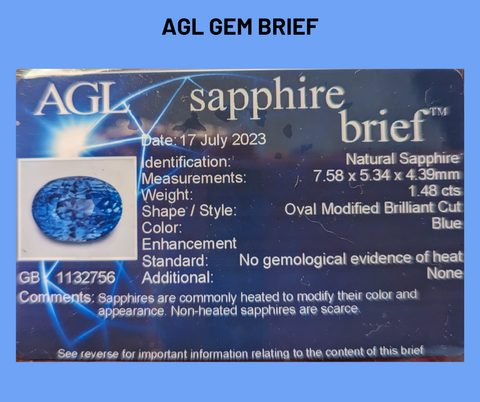
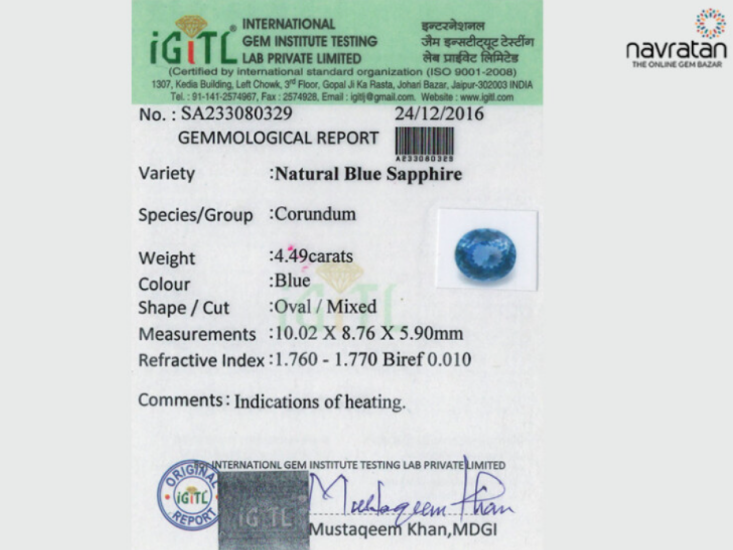
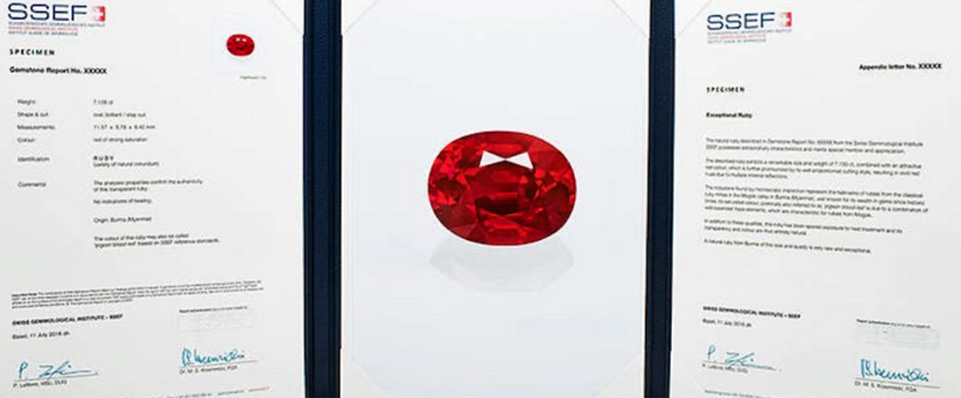
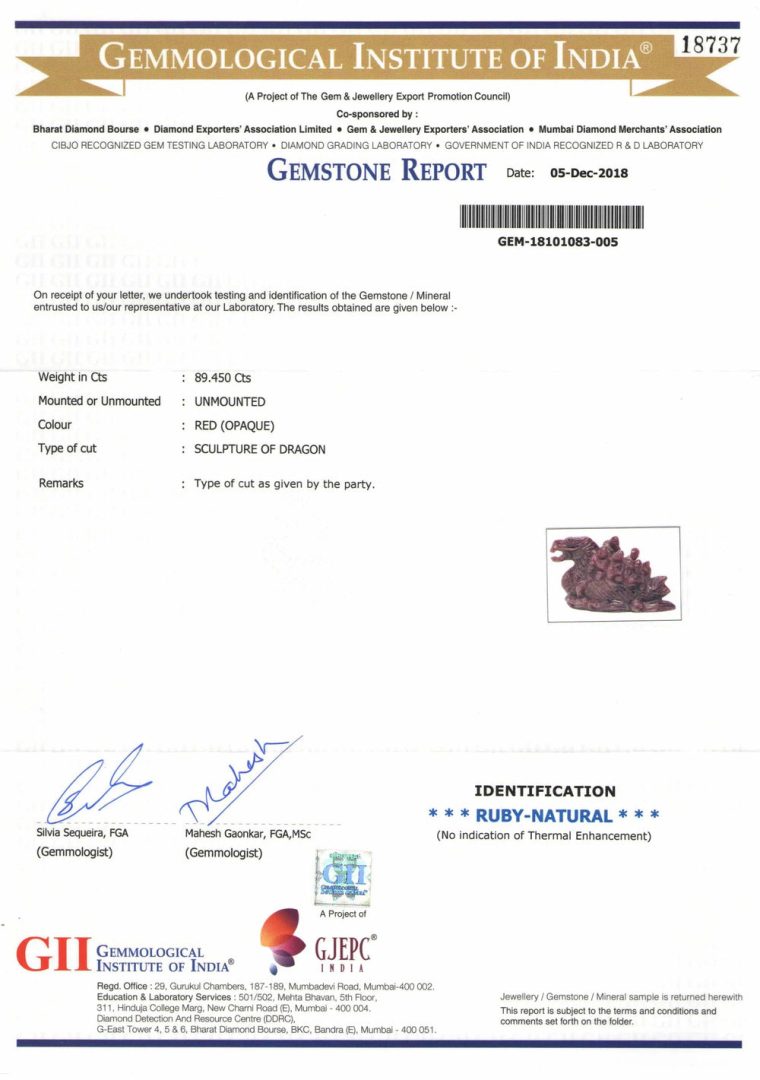
In essence, a gemstone certificate acts as the gemstone’s official identity card, detailing its characteristics such as type, color, clarity, and any treatments applied. This assurance is increasingly critical as counterfeit and synthetic stones proliferate. Additionally, certification from well-established laboratories like GIA, IGI, AGS, and EGL augments buyers’ and heirs’ confidence by providing scientifically-backed verification of a gemstone’s quality and origin. Such rigor protects family treasures from misrepresentation and diminishes the risk of loss in value, reinforcing their significance across time.
Ensuring Authenticity: The Cornerstone of Family Heirloom Preservation
When entrusted with a gemstone that has been in the family for decades, or even centuries, authenticity becomes non-negotiable. Inaccuracies or fraudulent claims about a gemstone’s nature could irreparably damage its historical and monetary significance. Through certification, owners receive a meticulously crafted report that confirms whether a stone is natural, lab-grown, or treated, drawing on advanced analyses employed by renowned institutions such as HRD Antwerp and AIGS.
This verification is crucial. Consider the experience of a collector who discovered, too late, that an inherited ruby was synthetic rather than natural. Not only did this revelation diminish its market worth, it also cast a shadow over the family’s historical narrative. Certification thus serves as a protective measure, offering a layer of security that the gemstone’s legacy remains intact and truthful. By referencing trusted certification guidelines, families can ensure they choose laboratories with impeccable reputations and avoid common pitfalls highlighted in expert discussions on certification risks.
Objective Quality Assessment for Unwavering Confidence
The quality of a gemstone hinges not only on its visual allure but also on measurable criteria—color saturation, weight, clarity, and cut precision—which certification comprehensively addresses. Laboratories such as GemCert and SGL Labs deliver detailed grading that allows families to understand the exact attributes defining their heirloom’s worth.
For example, a diamond’s color grade on the GIA scale from D to Z can significantly alter its appraisal, especially crucial when insuring the gemstone. The certification report also exposes any enhancements like heat treatments or fracture filling, which influence value and future care requirements.
This knowledge empowers families and future generations to make informed decisions concerning resale, insurance, or restoration, preserving the gemstone’s condition and market valuation with clarity and authority. By consulting resources like grading certification insights, caretakers can better appreciate the nuances affecting gemstone valuation.
Enhancing Value and Marketability Through Recognized Certification
Beyond authenticity and quality, a certified gemstone solidifies its financial stature in a market that increasingly favors transparency. Certification from prestigious entities such as GIA or AGS facilitates smoother transactions should descendants decide to sell or auction family heirlooms. Buyers exhibit greater willingness to invest when certification offers unmistakable assurances.
This enhanced market credibility often translates to higher resell values, reinforcing the asset potential of family gemstones. Especially in 2025, with ongoing advances in detection technologies, reactive markets scrutinize uncertified stones more intensely, demanding trustworthy documentation of origin and treatment history, themes explored in gemstone provenance certification.
Moreover, in the delicate process of estate planning, having certified gemstones reduces ambiguity, facilitating equitable appraisal and inheritance distribution. Such factors underscore why certification is not just a procedural step but a strategic necessity for long-term wealth preservation within families.
Legal Safeguards and Insurance Assurance Backed by Certification
When disputes arise over the conditions or authenticity of family gemstones, certification stands as a legally recognized document, streamlining resolutions and protecting all parties involved. This authoritative validation is especially vital during sales, estate settlements, or insurance claims.
Insurance providers frequently require thorough certification to accurately determine replacement values and set appropriate coverage. Without this documented appraisal, heirs risk undervaluation or unprotected loss. Certified stones offer peace of mind, ensuring preservation of the heirloom’s worth against unforeseen contingencies.
For comprehensive guidance on leveraging certification in insurance contexts, consult detailed certification insurance resources which clarify the benefits of maintaining up-to-date documentation.
Selecting the Right Certification Laboratory: A Critical Decision
Choosing the appropriate gemological laboratory profoundly influences the value of certification. Established organizations such as GIA, IGI, EGL, HRD Antwerp, and GTL (Gem Testing Laboratory) maintain stringent testing standards, whereas lesser-known entities may not uphold identical rigor. In the context of family heirlooms, opting for renowned labs ensures reports carry widespread acceptance and trust.
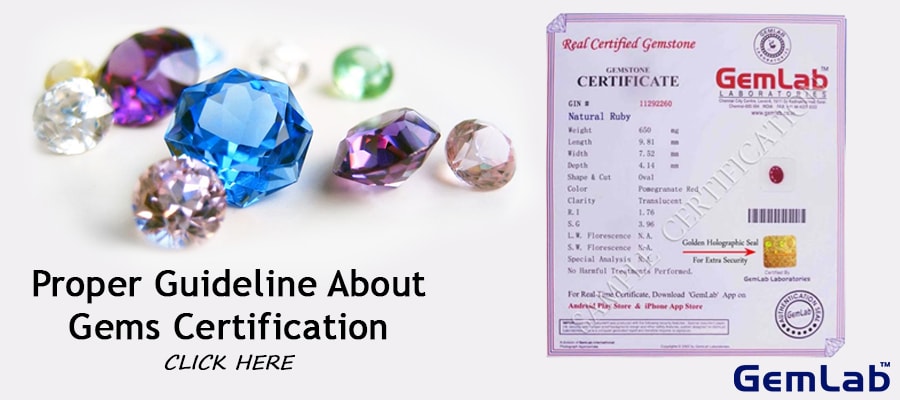
Families should also verify the laboratory’s security features on certificates, including holograms and barcodes designed to prevent forgery, as outlined in recommended gemstone certification reports. Trends toward increased consumer awareness reinforce the necessity of informed choice to avoid scams, detailed in resources such as common gemstone certification scams.