
The landscape of gemstone grading is undergoing transformative change, driven by breakthroughs in scientific technology and heightened demands for transparency in the jewelry market. As the global appetite for colored gemstones, diamonds, and unique jewelry pieces grows, so does the critical importance of trustworthy certification to authenticate and assess these precious assets. This article explores the most significant advancements and current trends shaping gemstone grading in 2025, revealing how expert gemologists and cutting-edge technology are converging to redefine standards of quality and trust.
In today’s market, gemstone certification is no longer just a formality; it’s the backbone of confidence for buyers, sellers, and investors alike. From sophisticated spectroscopy tools to artificial intelligence-enhanced imaging, the methods for evaluating stones have reached unprecedented levels of precision. However, the balance between embracing innovation and preserving the invaluable insight of seasoned human judgment remains a driving challenge.
Furthermore, this evolution unfolds amid a crowded field of renowned certification bodies like the GIA, AGS Laboratories, Gübelin Gem Lab, and emerging digital services, each championing unique protocols and degrees of transparency. Understanding these developments is essential for anyone engaged in the gemstone ecosystem — from artisans and retailers to discerning collectors seeking to navigate this complex, yet fascinating, certification landscape.
- Advanced testing technologies like laser-induced breakdown spectroscopy (LIBS) and photoluminescence enable deeper chemical analysis for superior origin and treatment detection.
- Integration of AI and machine learning is revolutionizing gemstone grading by enhancing accuracy while reducing subjective variability.
- The role of leading labs such as GIA, IGI, and Gübelin remains critical, yet hybrid digital certification models are gaining ground.
- Transparency and ethical sourcing have become pivotal, influencing certification standards and consumer expectations worldwide.
How Technology is Revolutionizing Gemstone Grading Standards
Gemstone grading historically depended heavily on the expert eye of individual gemologists — a method both artful and subjective. But in the last few years, technical innovations are reshaping this practice with unparalleled scientific rigor. Techniques like laser-induced breakdown spectroscopy (LIBS) provide precise elemental fingerprints, allowing labs to confidently pinpoint geographic origin and detect synthetic or treated stones.
The advent of artificial intelligence further transforms grading processes. AI-powered imaging tools analyze consistency in cut, clarity, and color with speed and objectivity beyond human capabilities. For instance, Sarine Technologies is pioneering automated grading tools that streamline evaluations without sacrificing detail, significantly reducing discrepancies.
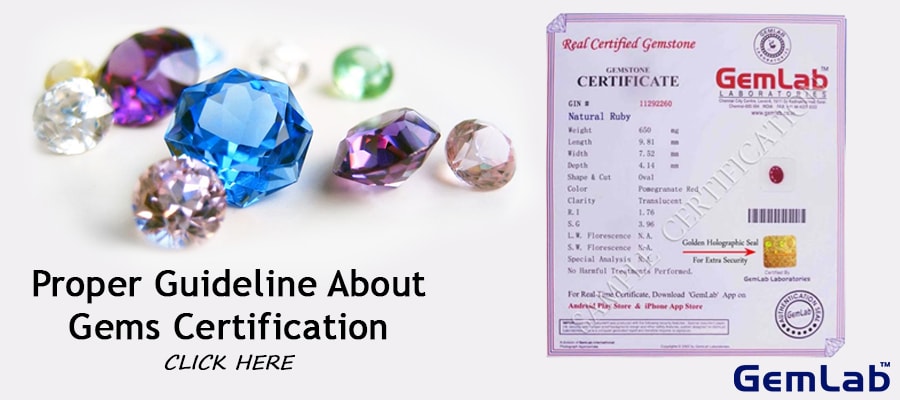
Simultaneously, digital certification platforms, including those from GemCert, enhance verification and record-keeping by issuing tamper-proof digital certificates accessible online. This shift is crucial in combating counterfeit certificates and promoting transparency across transactions.
Balancing Scientific Precision and Human Expertise
Despite these leaps in technology, human expertise remains irreplaceable. Expert gemologists not only interpret technical data but apply contextual knowledge about market trends, cultural significance, and artistic value that no machine can replicate. Renowned entities such as the GIA and HRD Antwerp continue to prioritize rigorous human-led evaluations alongside technological tools.
A notable example is the recent collaboration efforts between the American Gem Society (AGS) and the GIA, aiming to align their grading systems to provide a more unified and transparent framework. This initiative underscores the industry’s commitment to integrating advanced methods while preserving the trusted craftsmanship gemologists offer.
Leading Certification Bodies and Their Emerging Roles
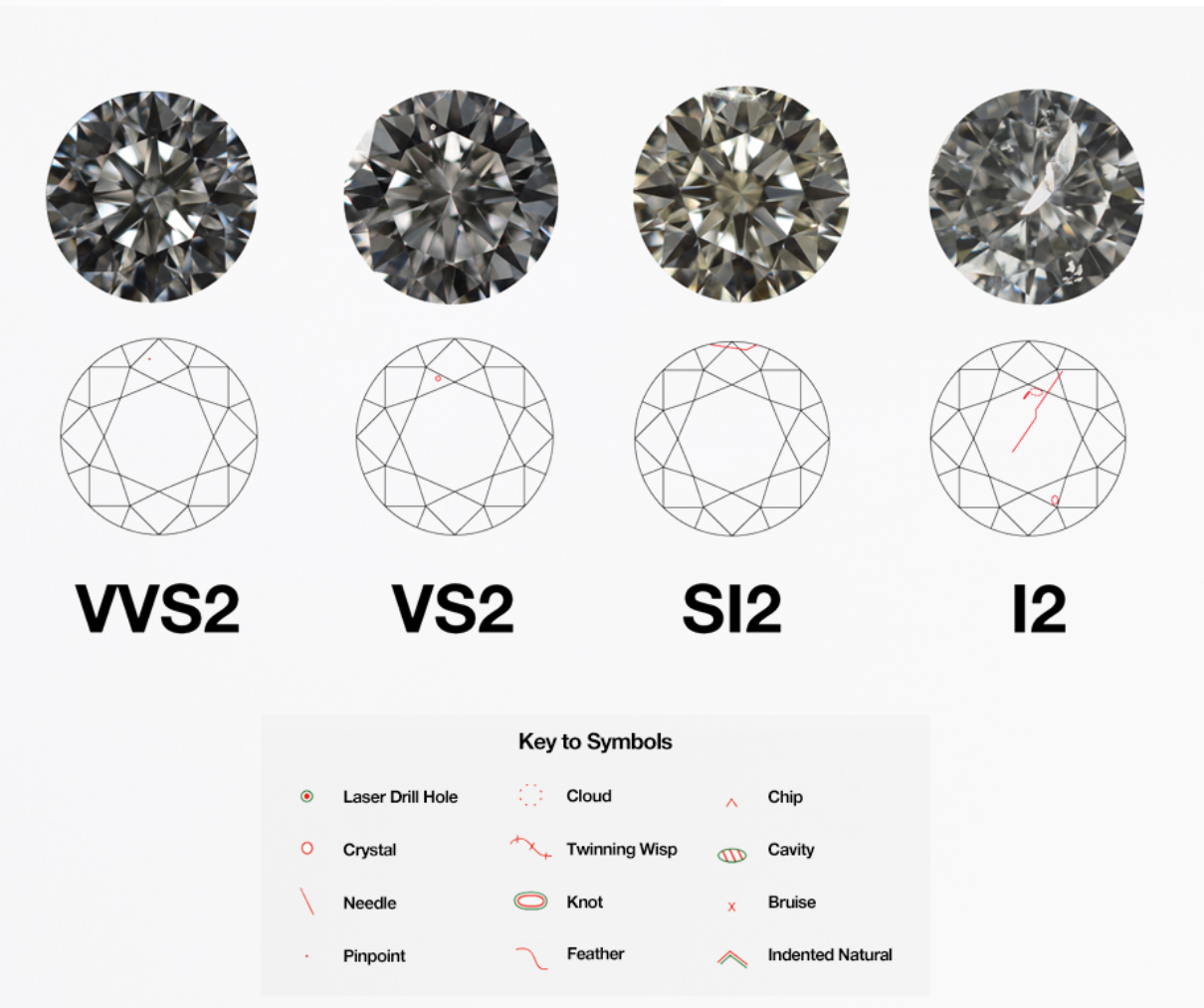
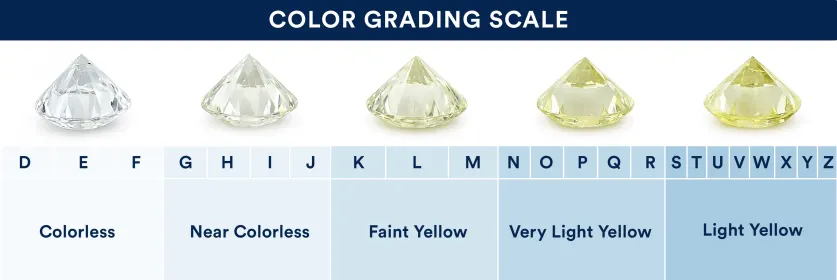
Among the well-established names, GIA remains the benchmark for the international community, providing exhaustive reports on the “4 Cs” — cut, clarity, color, and carat weight — and constantly updating grading standards to reflect new findings. The International Gemological Institute (IGI), with its extensive global presence, offers comprehensive evaluations particularly valued in consumer markets for transparency and detail.
Gübelin Gem Lab specializes in provenance research, which has become a decisive factor as buyers increasingly demand verified origins to ensure ethical sourcing. Labs such as these pair advanced equipment with decades of expertise, promoting confidence in gemstone authenticity.
Moreover, regional leaders like the National Gemstone Testing Center (NGTC) in China and Lotus Gemology focus intensely on colored gemstones and emerging trends in accessories markets, reflecting an increasingly globalized certification landscape. Each lab’s distinct focus highlights the importance of choosing the right certificate that aligns with the gemstone’s type and buyer’s expectations.
The Rise of Digital and Transparent Certification Platforms
In parallel, the digital revolution is forging new frontiers in certification transparency. Blockchain-based records now allow real-time verification of gemstone certificates, deterring fraud and making provenance history accessible to all stakeholders. De Beers Institute of Diamonds is at the forefront with its “Tracr” platform, an initiative to digitally track diamond journeys from mine to market, reassuring ethical sourcing claims.
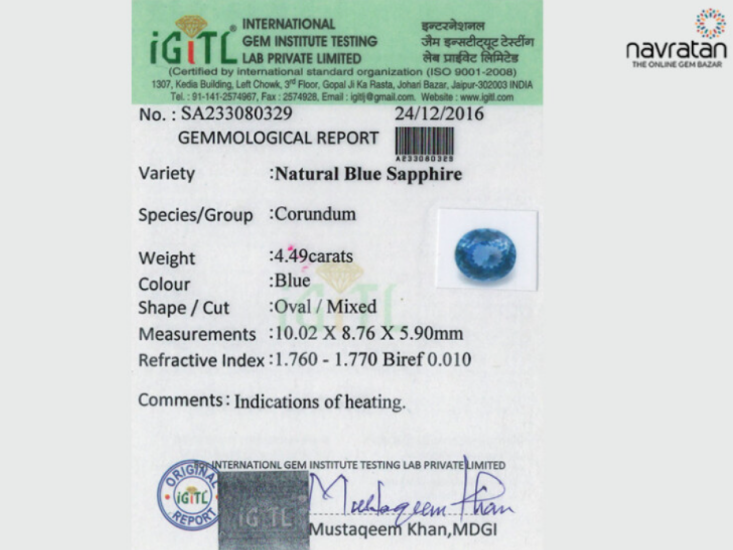
Consumers today demand certificates that not only attest quality but detail treatment disclosures, origin, and ownership history. Such comprehensive documentation empowers buyers to make informed decisions and protects sellers and insurers from disputes.
Choosing the Right Certification for Your Gemstones
Given the variety of reputable labs—each offering nuanced advantages—it is essential to understand the characteristics and certifications best suited for your gemstone type. When investing in high-value items, certificates from GIA, AGS Laboratories, or Gübelin Gem Lab often hold superior market recognition and resale value. For colored gems, expert opinions and origin validation from institutions like Lotus Gemology and GemCert provide critical assurances.
It is also crucial to be aware of common pitfalls and scams in the certification industry. Choosing well-established labs with transparent methodologies protects against misrepresentation and inflated valuations.
Investors and collectors keen on digital convenience should explore platforms offering transferable digital certificates that enable swift verification and secure ownership tracking.