Ensuring trust and transparency in the gemstone market has become more vital than ever, especially in 2025 where consumer awareness and technological strides converge. The intricate journey from raw mineral to certified gemstone necessitates rigorous evaluation methods. Advanced testing now sits at the heart of modern gemstone certification, empowering laboratories and buyers alike with data that transcends mere visual inspection. This evolution owes much to pioneering institutes such as the Gemological Institute of America (GIA), SSEF, and International Gemological Institute (IGI), whose adoption of scientific testing tools ensures each gem’s story is verified with unmatched accuracy. From spectroscopy to advanced microscopy, these procedures glean insights about a gemstone’s origin, treatment history, and intrinsic quality—factors critical for authentic certification and market valuation.
En bref :
- Advanced scientific techniques, including spectrometry and X-ray diffraction, fundamentally enhance gemstone authentication.
- Leading gemological laboratories such as GIA, IGI, SSEF, and Gübelin Gem Lab set the global standards for certification rigour.
- Certification not only guarantees authenticity but substantially influences a gemstone’s market value and resale potential.
- Sophisticated testing methods uncover treatments and synthetic origins that are otherwise invisible, protecting buyer confidence.
- Verification steps, including digital database matching and anti-fraud markers, complement physical and chemical analyses.
How Advanced Analytical Techniques Revolutionize Gemstone Certification
The gemstone industry’s tightrope between aesthetic allure and scientific verification is bridged by cutting-edge analytical methods. Techniques like UV-Vis spectroscopy, infrared spectroscopy, and laser ablation inductively coupled plasma mass spectrometry (LA-ICP-MS) have become indispensable. For instance, SSEF’s laboratories utilize these tools to precisely decode trace elements within gemstones, discerning natural from synthetic or treated stones with greater accuracy than ever before. These methods provide empirical data about the gem’s mineral composition and growth patterns, enabling specialists to detect subtle enhancements and origin markers that evade the naked eye.
The integration of these scientific instruments into standard certification processes bolsters consumer trust by providing a comprehensive profile verified by internationally recognized authorities such as Gübelin Gem Lab and the American Gemological Laboratories (AGL). When buyers access detailed reports generated from such meticulous analysis, their purchasing decisions gain solidity through transparent, repeatable, and objective evaluation. This also aids in uncovering unethical practices like undisclosed treatments or synthetic substitutions, which can severely impact perceived value and authenticity.
Ensuring Authenticity: The Core of Certification
Authenticity assurance is more than a checkbox; it represents the guardian of integrity within the gemstone market. Modern certification leverages combined methods, including microscopy for internal feature examination and x-ray diffraction to resolve crystal structures, to affirm a stone’s natural origin. Laboratories like HRD Antwerp and the National Gemstone Testing Center (NGTC) exemplify this comprehensive approach, applying methods that can detect both origin and artificial treatments.
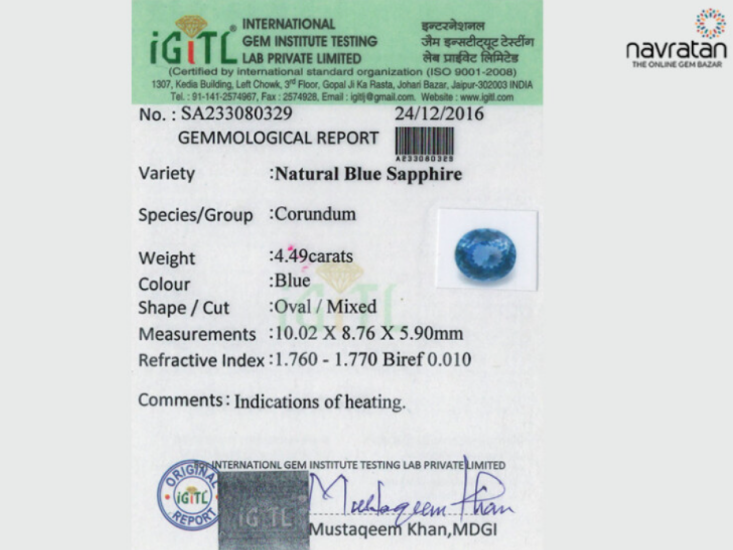
Consider the example of heat-treated sapphires: without advanced spectroscopy, such enhancements might remain undisclosed. Yet with technologies integrated into certification protocols, these interventions are documented, ensuring buyers understand exactly what they acquire. Such clarity fortifies the relationship between gem sellers and consumers and elevates the overall market integrity.
Certification’s Influence on Market Confidence and Gemstone Value
Certification by laboratories like Gem-A and Gübelin Gem Lab dramatically affects how gemstones are perceived and priced. A documented certificate detailing carat weight, color, clarity, cut, treatment analysis, and provenance assures buyers of the gem’s authenticity and quality, directly impacting its desirability and resale value. Engineering trust remains the kernel of certification; for investors and collectors, these reports clarify risk and facilitate confident acquisitions. In a market fraught with potential scams and fraudulent claims, certified gemstones stand out as reliable assets.
An intriguing observation comes from the 2025 luxury market trends where certified high-end gemstones from labs such as the Bahrain Institute for Pearls & Gemstones (BGL) command premiums due to their recognized authenticity. This effect is magnified in auction settings, where certification acts as a seal of provenance and condition, often driving bids well above non-certified stones.
Practical Insights on Verification and Certification Selection
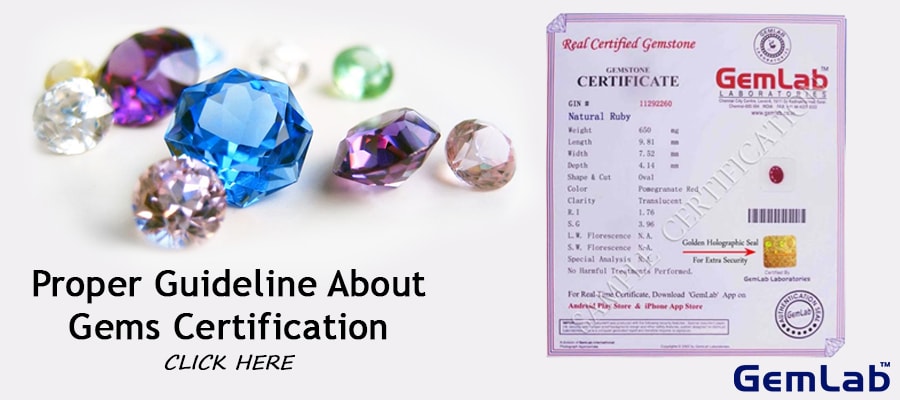
Verifying a gemstone certificate is as essential as the certificate itself. Buyers should leverage online databases maintained by certification entities to authenticate certificates using unique certification numbers. Additionally, physical attributes such as holograms, laboratory seals, and signatures form part of layered security measures against forgery. Laboratories like IGI and HRD Antwerp provide accessible digital verification portals, empowering buyers to independently confirm certificate legitimacy.
Choosing the right gemological laboratory depends on factors such as the gemstone type, certification thoroughness, and intended market use. For example, IGI’s comprehensive grading reports appeal to traders and jewelers seeking uniform standards, while SSEF’s expertise in high-value stones suits collectors requiring detailed analytics on rare gems. This diversity underscores the importance of understanding laboratories’ reputations and focus areas when pursuing gemstone certification.